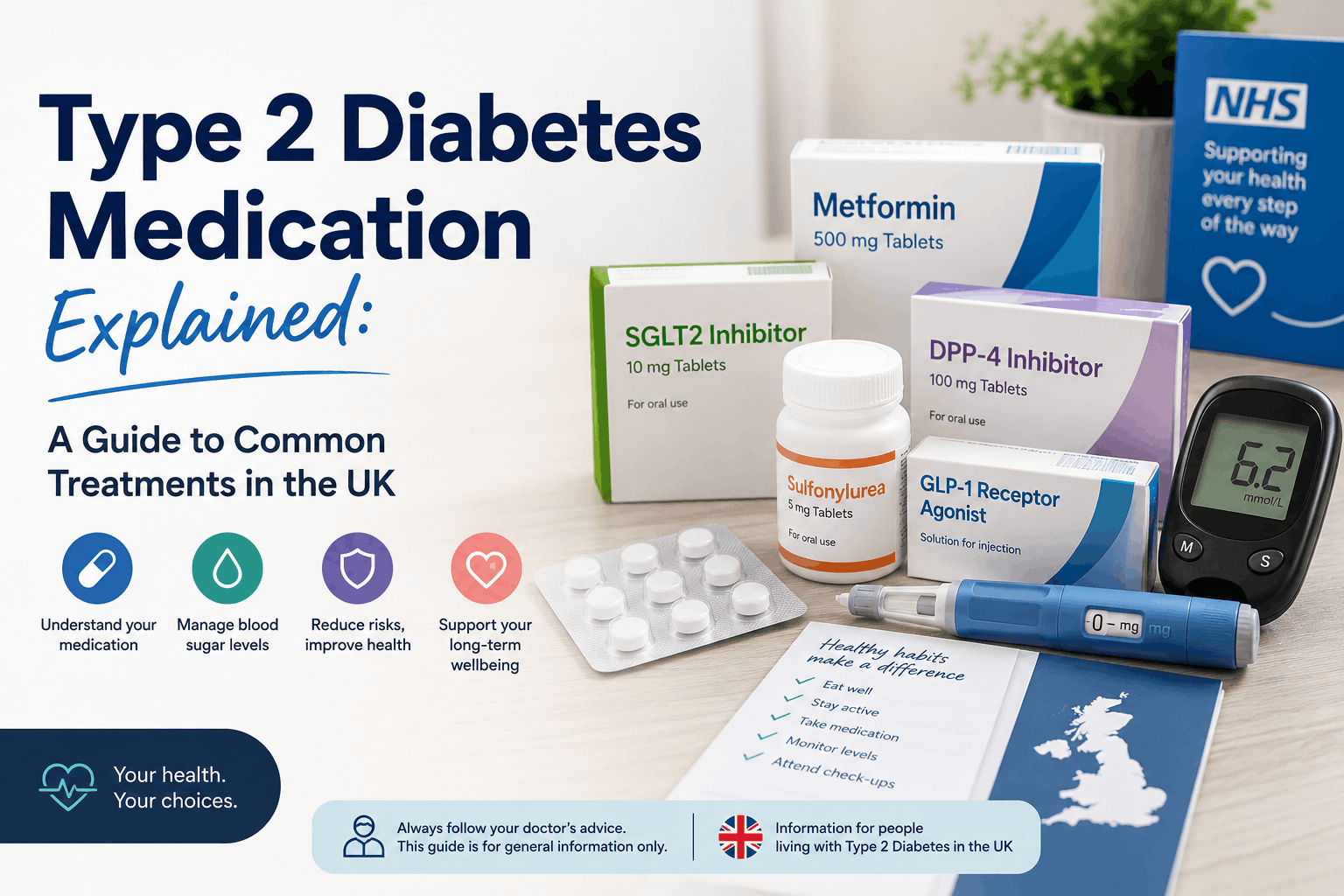
Managing Type 2 diabetes involves more than simply monitoring blood sugar levels.
For many people in the UK, medication plays an important role in helping maintain healthy glucose levels, reducing the risk of complications, and supporting long-term health. While lifestyle changes such as healthy eating and regular exercise remain essential, diabetes medication is often needed when blood sugar cannot be adequately controlled through lifestyle measures alone.
Understanding how different diabetes medications work can help people feel more confident about their treatment plans and make informed decisions alongside their healthcare team.
Why Medication May Be Needed
Type 2 diabetes develops when the body becomes resistant to insulin or does not produce enough insulin to keep blood sugar levels within a healthy range.
Over time, high blood sugar can increase the risk of:
- Heart disease
- Stroke
- Kidney disease
- Nerve damage
- Eye complications
Medication helps improve blood sugar control and reduce the likelihood of these long-term complications.
The type of medication prescribed depends on factors such as age, overall health, blood sugar levels, weight, and other medical conditions.
Metformin: The Most Common First-Line Treatment
In the UK, metformin is often the first medication prescribed for Type 2 diabetes.
Metformin works by:
- Reducing glucose production in the liver
- Improving insulin sensitivity
- Helping the body use insulin more effectively
Many people take metformin alongside dietary improvements and physical activity.
Common side effects may include:
- Nausea
- Stomach discomfort
- Diarrhoea
These side effects often improve as the body adjusts to treatment.
SGLT2 Inhibitors
SGLT2 inhibitors are increasingly used for people with Type 2 diabetes.
These medications help the kidneys remove excess glucose through urine.
Benefits may include:
- Improved blood sugar control
- Weight reduction
- Cardiovascular benefits for some patients
Examples commonly prescribed in the UK include dapagliflozin and empagliflozin.
Healthcare professionals may recommend these medicines for people who also have heart disease or kidney concerns.
GLP-1 Receptor Agonists
GLP-1 receptor agonists help regulate blood sugar by:
- Stimulating insulin release
- Slowing stomach emptying
- Reducing appetite
Some people experience weight loss while using these medications.
These treatments are often considered when blood sugar remains elevated despite other therapies or when weight management is an important treatment goal.
Sulfonylureas
Sulfonylureas work by encouraging the pancreas to release more insulin.
They may be prescribed when additional blood sugar control is needed.
Examples include:
- Gliclazide
- Glimepiride
Because these medications can sometimes cause low blood sugar, regular monitoring is important.
Insulin Therapy
Although insulin is commonly associated with Type 1 diabetes, some people with Type 2 diabetes also require insulin treatment.
This may occur when:
- Other medications are no longer effective
- Blood sugar remains consistently high
- The pancreas produces very little insulin
Modern insulin delivery systems and glucose monitoring technologies have made insulin management more convenient than ever.
Why Blood Sugar Monitoring Matters
Medication is only one part of diabetes management.
Regular blood sugar monitoring helps people understand:
- How medications are working
- How food affects glucose levels
- Daily blood sugar patterns
- Whether treatment adjustments may be needed
Many people in the UK use continuous glucose monitoring systems such as FreeStyle Libre to gain a clearer picture of glucose trends throughout the day and night.
Monitoring provides valuable information that supports both patients and healthcare professionals when making treatment decisions.
Lifestyle Still Matters
Even when medication is prescribed, healthy lifestyle habits remain important.
Key areas include:
- Balanced nutrition
- Regular physical activity
- Quality sleep
- Stress management
- Maintaining a healthy weight
Medication works best when combined with long-term healthy habits.
Common Medication Questions
Many people worry about starting diabetes medication.
Some common concerns include:
- Will I need medication forever?
- Can medication replace healthy eating?
- What happens if my blood sugar improves?
Treatment plans can change over time. Some people require additional medication, while others may reduce medications if blood sugar improves significantly through lifestyle changes.
Every situation is different, which is why regular medical reviews are important.
Final Verdict
Type 2 diabetes medications play an important role in helping many people achieve healthier blood sugar levels and reduce the risk of long-term complications.
From metformin and SGLT2 inhibitors to GLP-1 therapies and insulin, there are now more treatment options available than ever before.
The most effective diabetes management plans combine medication, regular monitoring, and healthy lifestyle habits. Working closely with your healthcare team can help ensure your treatment remains safe, effective, and tailored to your individual needs.
FAQS
- What is the most common diabetes medication in the UK?
Metformin is typically the first medication prescribed for many people with Type 2 diabetes. - Can diabetes medication cure Type 2 diabetes?
No. Medication helps manage blood sugar levels but does not cure diabetes. - Do all people with Type 2 diabetes need medication?
Not always. Some people can manage blood sugar through lifestyle changes, while others require medication to achieve target glucose levels. - What happens if diabetes medication does not work?
Healthcare professionals may adjust dosages, add another medication, or recommend alternative treatments. - Why should I monitor my blood sugar while taking medication?
Monitoring helps assess how well treatment is working and provides valuable information for ongoing diabetes management.