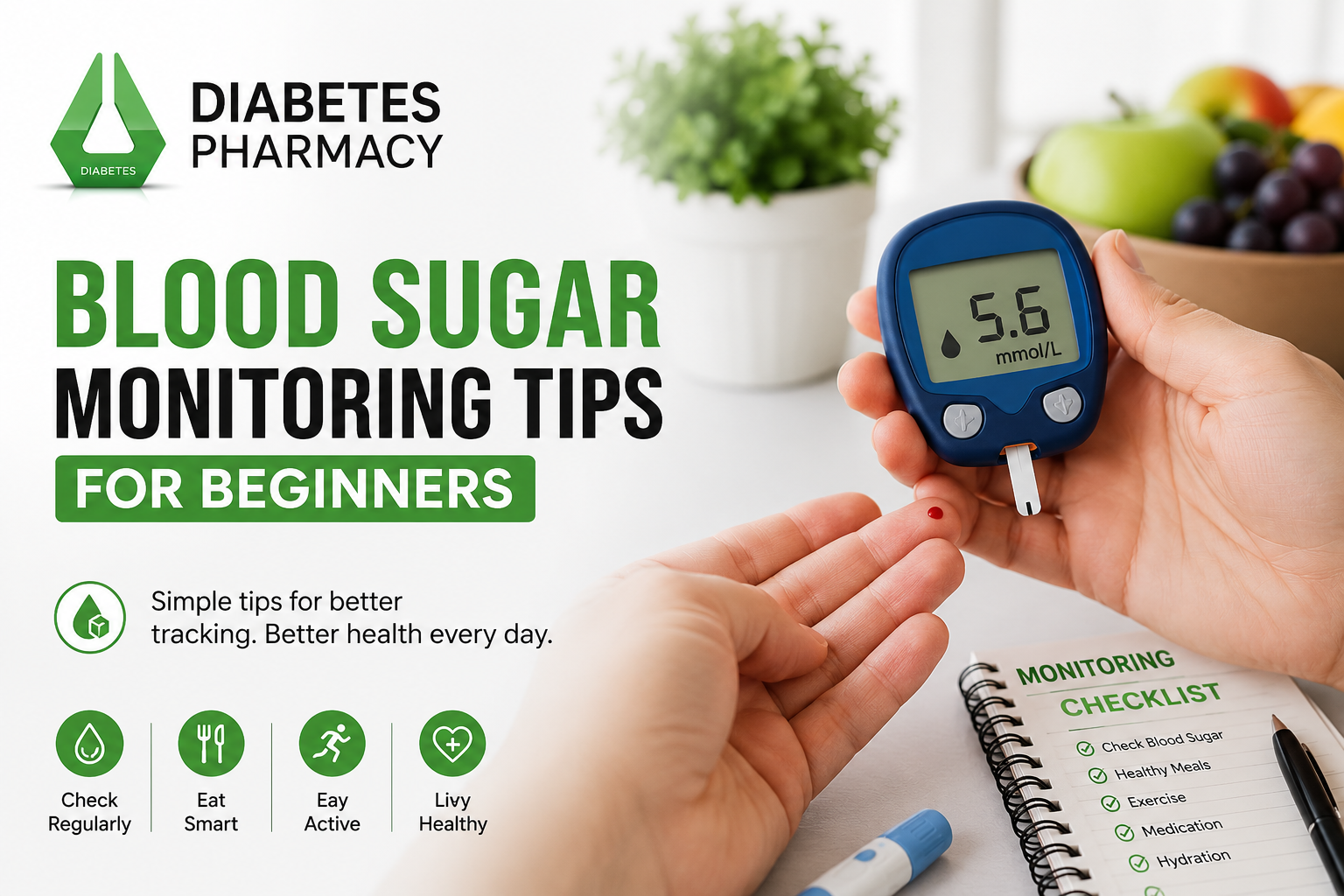
Blood Sugar Monitoring Tips for Beginners

If you’ve recently been diagnosed with diabetes, one of the first skills you’ll need to learn is how to monitor your blood sugar effectively. While testing glucose levels may seem confusing at first, it quickly becomes an important part of managing your health and understanding how your body responds to food, activity, medication, stress, and daily routines.

Regular blood sugar monitoring helps you make informed decisions about your diabetes management. It can reveal patterns, identify potential problems before they become serious, and help you work with your healthcare team to maintain healthy glucose levels.

Whether you’re using a traditional finger-prick glucose meter or a Continuous Glucose Monitor (CGM), understanding the basics can help you gain confidence and improve your diabetes management.

Why Monitoring Blood Sugar Matters

Blood glucose monitoring provides real-time information about your diabetes control.

Regular monitoring can help you:

  • Understand how meals affect glucose levels
  • See the impact of exercise
  • Evaluate medication effectiveness
  • Detect high or low blood sugar early
  • Improve long-term diabetes management
  • Reduce the risk of diabetes-related complications

Without monitoring, it can be difficult to know whether your treatment plan is working effectively.

Understanding Your Blood Sugar Readings

Many beginners focus on individual numbers, but the real value comes from understanding trends.

Many adults with diabetes are commonly advised to aim for:

Testing Time

Typical Target Range

Before Meals

4.4–7.2 mmol/L (80–130 mg/dL)

1–2 Hours After Meals

Below 10.0 mmol/L (180 mg/dL)

Your personal targets may differ depending on your age, diabetes type, medications, and overall health.

Always follow the guidance provided by your diabetes care team.

Choose the Right Blood Sugar Monitoring Method

1. Traditional Blood Glucose Meters

Blood glucose meters require:

  • A small finger-prick blood sample
  • Test strips
  • A glucose meter

They provide an instant glucose reading and remain a reliable option for many people managing diabetes.

2. Continuous Glucose Monitoring (CGM)

CGMs use a small wearable sensor that continuously measures glucose levels throughout the day and night.

CGMs provide:

  • Real-time glucose readings
  • Trend arrows showing rising or falling glucose
  • High and low glucose alerts
  • Detailed glucose reports
  • Reduced finger-prick testing

Modern CGM systems allow users to understand glucose patterns more effectively than occasional finger-prick tests. CGMs continuously track glucose levels and help users identify trends and respond more quickly to changes.

Wash Your Hands Before Testing

This simple step is often overlooked.

Food residue, lotions, or dirt on your fingers can affect blood sugar readings and lead to inaccurate results.

Before testing:

  1. Wash hands thoroughly with soap and water.
  2. Dry hands completely.
  3. Perform the glucose test.

Accurate readings start with proper testing technique.

Test at Consistent Times

Testing at random times can make glucose data difficult to interpret.

Your healthcare provider may recommend testing:

  • Before meals
  • After meals
  • Before bedtime
  • Before exercise
  • After exercise
  • During illness
  • When experiencing symptoms of low blood sugar

Consistency makes it easier to identify patterns and make adjustments.

Learn How Food Affects Your Glucose Levels

One of the biggest benefits of blood sugar monitoring is understanding how different foods impact your body.

Consider monitoring:

  • Before meals
  • One to two hours after meals

You may discover that certain foods cause larger glucose spikes than expected.

Common factors that influence blood sugar include:

  • Portion sizes
  • Carbohydrate intake
  • Fibre content
  • Protein consumption
  • Meal timing

Over time, monitoring helps you make more informed food choices.

Focus on Trends Rather Than Single Readings

Every person with diabetes experiences occasional high or low readings.

A single result rarely tells the complete story.

Glucose levels can fluctuate due to:

  • Food choices
  • Physical activity
  • Stress
  • Sleep quality
  • Illness
  • Medication timing

Instead of worrying about one reading, focus on overall patterns across days and weeks.

Understand the Symptoms of High and Low Blood Sugar

Monitoring devices are valuable, but recognising symptoms is equally important.

Symptoms of High Blood Sugar (Hyperglycaemia)

You may experience:

  • Increased thirst
  • Frequent urination
  • Fatigue
  • Blurred vision
  • Headaches

Symptoms of Low Blood Sugar (Hypoglycaemia)

Common symptoms include:

  • Shaking
  • Sweating
  • Hunger
  • Dizziness
  • Confusion
  • Rapid heartbeat

If symptoms occur, check your blood sugar and follow your healthcare provider’s recommendations.

Use Technology to Make Monitoring Easier

Modern diabetes technology has transformed glucose monitoring.

CGM systems such as FreeStyle Libre and Dexcom allow users to view glucose levels in real time, track trends, and receive alerts when glucose moves outside target ranges.

Benefits of CGM technology include:

  • Better awareness of glucose fluctuations
  • Reduced finger-prick testing
  • Improved understanding of glucose trends
  • Real-time alerts for highs and lows
  • Easier sharing of data with healthcare professionals

The NHS notes that CGMs allow people with diabetes to check glucose levels at any time and identify patterns that support better diabetes management.

How CGMs Help Beginners Learn Faster

For people new to diabetes management, CGMs provide a clearer picture of how daily choices affect glucose levels.

CGMs can:

  • Show glucose changes every few minutes
  • Reveal overnight trends
  • Identify hidden highs and lows
  • Help users understand food responses
  • Support more confident decision-making

Research and clinical guidance show that continuous glucose monitoring can improve glucose management and provide more actionable information than isolated finger-prick tests alone.

Finding the Right Monitoring Device

The best monitoring device depends on your lifestyle, treatment plan, and healthcare needs.

Popular options include:

  • FreeStyle Libre systems
  • Dexcom CGM systems
  • Traditional blood glucose meters

Each offers different features, sensor wear times, and alert capabilities.

Why Shop with Diabetes Pharmacy UK?

At Diabetes Pharmacy UK, we provide a wide range of diabetes management products, including Continuous Glucose Monitoring systems, glucose sensors, diabetes accessories, and monitoring solutions designed to help people manage diabetes with confidence.

Whether you’re just starting your diabetes journey or looking to upgrade to a CGM system, our range of products helps support better glucose management and everyday convenience.

Conclusion

Blood sugar monitoring is one of the most powerful tools for managing diabetes. By testing consistently, understanding your readings, identifying trends, and using modern monitoring technology when appropriate, you can make more informed decisions about your health.

For beginners, the key is not perfection but consistency. The more you learn about your glucose patterns, the better equipped you’ll be to manage diabetes confidently and effectively.

Frequently Asked Questions

  1. How often should beginners check their blood sugar?
    The frequency depends on your diabetes type, medications, and healthcare provider’s recommendations. Some people test multiple times per day, while others may monitor less frequently.
  2. What is the best blood sugar monitor for beginners?
    Many beginners find CGM systems such as FreeStyle Libre and Dexcom helpful because they provide continuous glucose data and trend information.
  3. What is a normal blood sugar level?
    Target ranges vary, but many adults with diabetes aim for 4.4–7.2 mmol/L before meals and below 10 mmol/L after meals.
  4. Do CGMs replace finger-prick testing completely?
    Many modern CGMs significantly reduce the need for finger-prick testing, although occasional confirmation checks may still be recommended in some situations.
  5. Why does my blood sugar change throughout the day?
    Food, exercise, stress, medication, illness, sleep, and hormonal changes can all affect blood glucose levels.
  6. Can blood sugar monitoring improve diabetes control?
    Yes. Regular monitoring helps identify patterns, supports treatment decisions, and enables faster responses to high or low glucose levels.
Share:

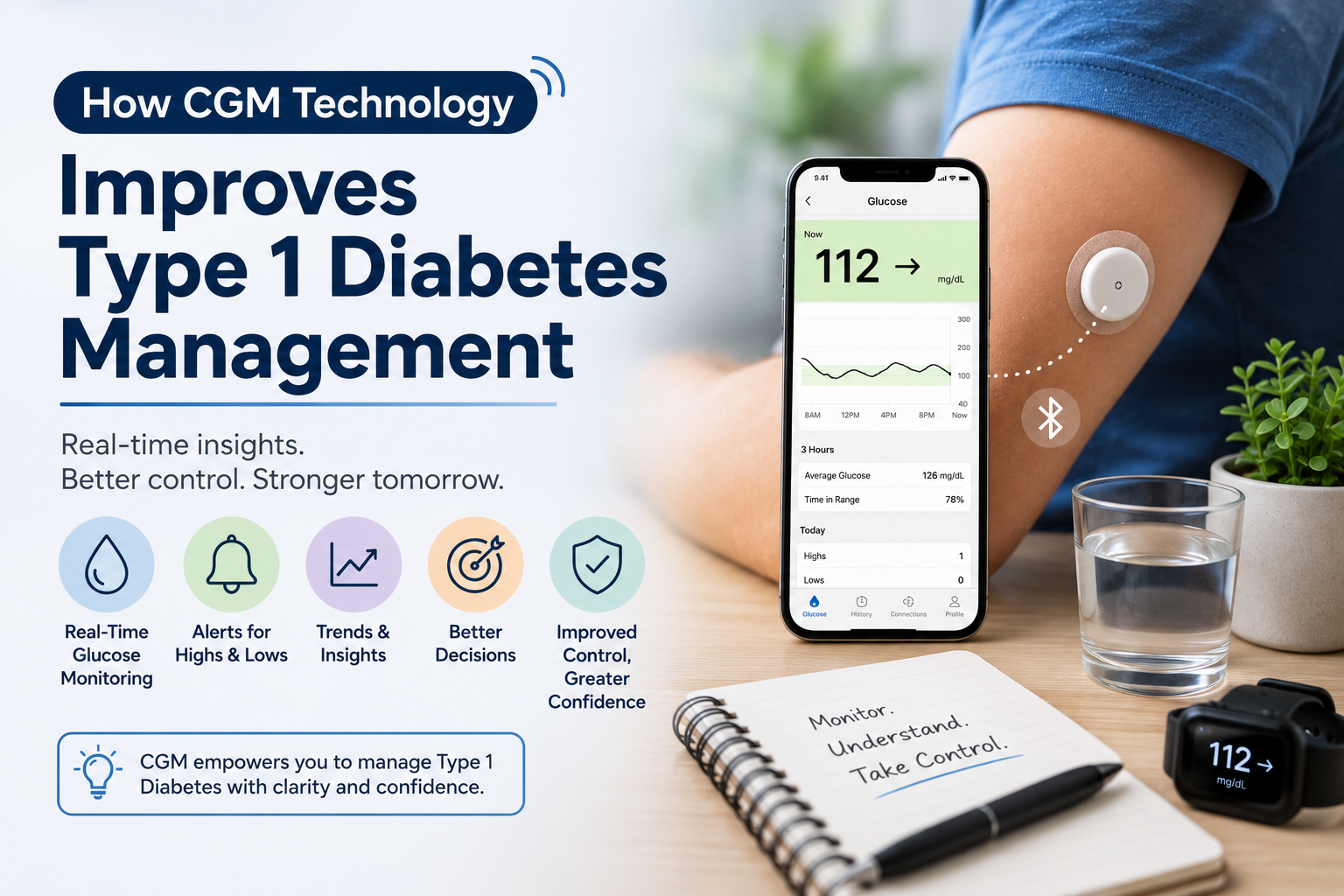
How CGM Technology Improves Type 1 Diabetes Management

Continuous glucose monitoring (CGM) has transformed type 1 diabetes management by replacing occasional finger-prick snapshots with a continuous, real-time picture of glucose levels. Instead of a handful of readings a day, a CGM provides a reading every one to five minutes, along with trend arrows, customisable alarms, and detailed reports. The result, supported by both clinical trials and real-world UK data, is lower HbA1c, more time in range, and fewer dangerous highs and lows.

This guide explains exactly how CGM technology improves outcomes for people with type 1 diabetes, from the data it provides to the daily decisions it supports. If you are new to glucose monitoring, our overview of blood glucose testing options is a useful starting point.

How CGM helps in type 1 diabetes

  • Lowers HbA1c by roughly 0.5% in real-world studies of sustained use.
  • Increases time in range, with every 5% improvement considered clinically meaningful.
  • Reduces hypoglycaemia through predictive and real-time low alerts.
  • Enables proactive decisions using trend arrows that show where glucose is heading.
  • Supports automated insulin delivery when paired with a compatible pump in a hybrid closed-loop system.

From snapshots to a full picture

A traditional finger-prick test tells you your glucose at a single moment, but nothing about where it was heading. Type 1 diabetes involves constant glucose fluctuation, so a handful of readings a day inevitably misses much of what happens between them, including overnight lows and post-meal spikes.

A CGM measures glucose in the interstitial fluid just beneath the skin, sending readings continuously to a phone or receiver. This produces hundreds of data points a day and reveals patterns that finger-pricks simply cannot capture. Finger-prick testing still has a role for confirmation, and keeping a backup meter and test strips on hand remains sensible, but the CGM becomes the primary source of day-to-day information.

The shift to time in range

For decades, HbA1c, a measure of average glucose over about three months, was the main marker of control. It remains important, but it is only an average and hides the highs and lows that matter day to day. CGM introduced a more informative metric: time in range (TIR), the percentage of the day glucose stays within the target range of 3.9 to 10.0 mmol/L (70 to 180 mg/dL).

The international consensus recommends that most people with type 1 diabetes aim for more than 70% time in range, with less than 4% of the day spent low. Crucially, every 5% increase in time in range is considered clinically meaningful, which gives people a clear, motivating target they can influence day by day rather than waiting months for a single HbA1c result.

How CGM improves daily decisions

Trend arrows enable proactive action

Perhaps the single most useful feature is the trend arrow, which shows not just the current glucose but the direction and speed of change. A reading of 6 mmol/L with a steady arrow calls for no action, but the same reading with a sharp downward arrow signals an approaching low. This lets people act before a problem develops, rather than reacting after it has already happened.

Alarms reduce dangerous highs and lows

Customisable high and low alarms, and predictive alerts that warn of a low before it arrives, are especially valuable for anyone with impaired hypoglycaemia awareness or who experiences overnight lows. Clinical studies consistently show that CGM use reduces the time spent in hypoglycaemia, one of the most feared complications of type 1 diabetes.

Better insulin dosing and lifestyle insight

Seeing how specific meals, exercise, stress, and insulin doses affect glucose in real time helps people fine-tune their management. Over time, this pattern recognition supports smarter carbohydrate counting, better timing of insulin, and more confident adjustments around activity.

What the evidence shows

The clinical case for CGM in type 1 diabetes is strong and consistent across randomised trials and real-world data:

  • HbA1c reduction: a large UK study of 789 adults with type 1 diabetes found significant HbA1c reductions with both flash and real-time CGM, and propensity-matched data show sustained use lowering HbA1c by around 0.5%.
  • More time in range: trials show CGM increases daily time in range and reduces glucose variability compared with finger-prick monitoring.
  • Less hypoglycaemia: CGM significantly reduces time spent below range, improving safety without sacrificing overall control.
  • Quality of life: studies report reduced diabetes-related distress and higher treatment satisfaction, particularly in young people.

CGM as the foundation of automated insulin delivery

CGM does more than inform manual decisions. When paired with a compatible insulin pump, it becomes the sensing engine of a hybrid closed-loop, or automated insulin delivery, system. The CGM continuously feeds glucose data to an algorithm that automatically adjusts background insulin, nudging levels up or down without the user having to intervene for every change.

Real-world studies of these systems show substantial gains in time in range, often lifting people well above the 70% target while reducing lows. Several modern CGM sensors are approved to work with compatible pumps, making this technology increasingly accessible. Some devices, such as the FreeStyle Libre 3 Plus, are designed to link into these systems.

Getting started with CGM

In the UK, everyone with type 1 diabetes should be offered a CGM on the NHS under NICE guidance, though the specific device depends on local policy and clinical need. Widely prescribed options include the FreeStyle Libre 2 Plus and Dexcom ONE+, with higher-specification devices such as the FreeStyle Libre 3 and Dexcom G7 available for specific needs. If you buy privately, sensors are available from registered pharmacies, and our guide to affordable blood sugar testing in the UK explains how to keep costs manageable.

The bottom line

CGM technology improves type 1 diabetes management by turning glucose control from a series of blind snapshots into a continuous, actionable picture. It lowers HbA1c, increases time in range, reduces hypoglycaemia, and underpins the automated insulin delivery systems that represent the future of diabetes care. You can explore CGM sensors and diabetes monitoring supplies through the Diabetes Pharmacy online shop, and if finger-prick testing remains part of your routine, meters that do not need test strips can make confirmation checks simpler.

Frequently Asked Questions

  1. Does a CGM improve HbA1c in type 1 diabetes?
    Yes. Both clinical trials and real-world studies show that CGM use lowers HbA1c, with sustained use associated with a reduction of around 0.5% on average. The benefit tends to be greatest when the CGM is worn consistently.
  2. What is time in range, and why does it matter?
    Time in range is the percentage of the day your glucose stays within the target range of 3.9 to 10.0 mmol/L. Most people with type 1 diabetes aim for more than 70%. It matters because it reflects day-to-day control that HbA1c, being an average, can hide, and every 5% improvement is clinically meaningful.
  3. Can a CGM prevent hypoglycaemia?
    A CGM cannot prevent lows on its own, but its real-time and predictive low alarms give you warning so you can act early. Studies show CGM use reduces the time spent in hypoglycaemia, which is particularly valuable for people with impaired hypoglycaemia awareness.
  4. Do I still need to do finger-prick tests with a CGM?
    Much less often. Modern CGMs are factory calibrated and do not need routine finger-prick calibration, but you should still confirm with a meter and test strips when a reading does not match your symptoms or glucose is changing rapidly.
  5. Can a CGM work with an insulin pump?
    Yes. When paired with a compatible pump, a CGM forms a hybrid closed-loop system that automatically adjusts background insulin based on live glucose data. These systems have been shown to significantly increase time in range. Always check that your specific pump and sensor are approved to work together.
Share:

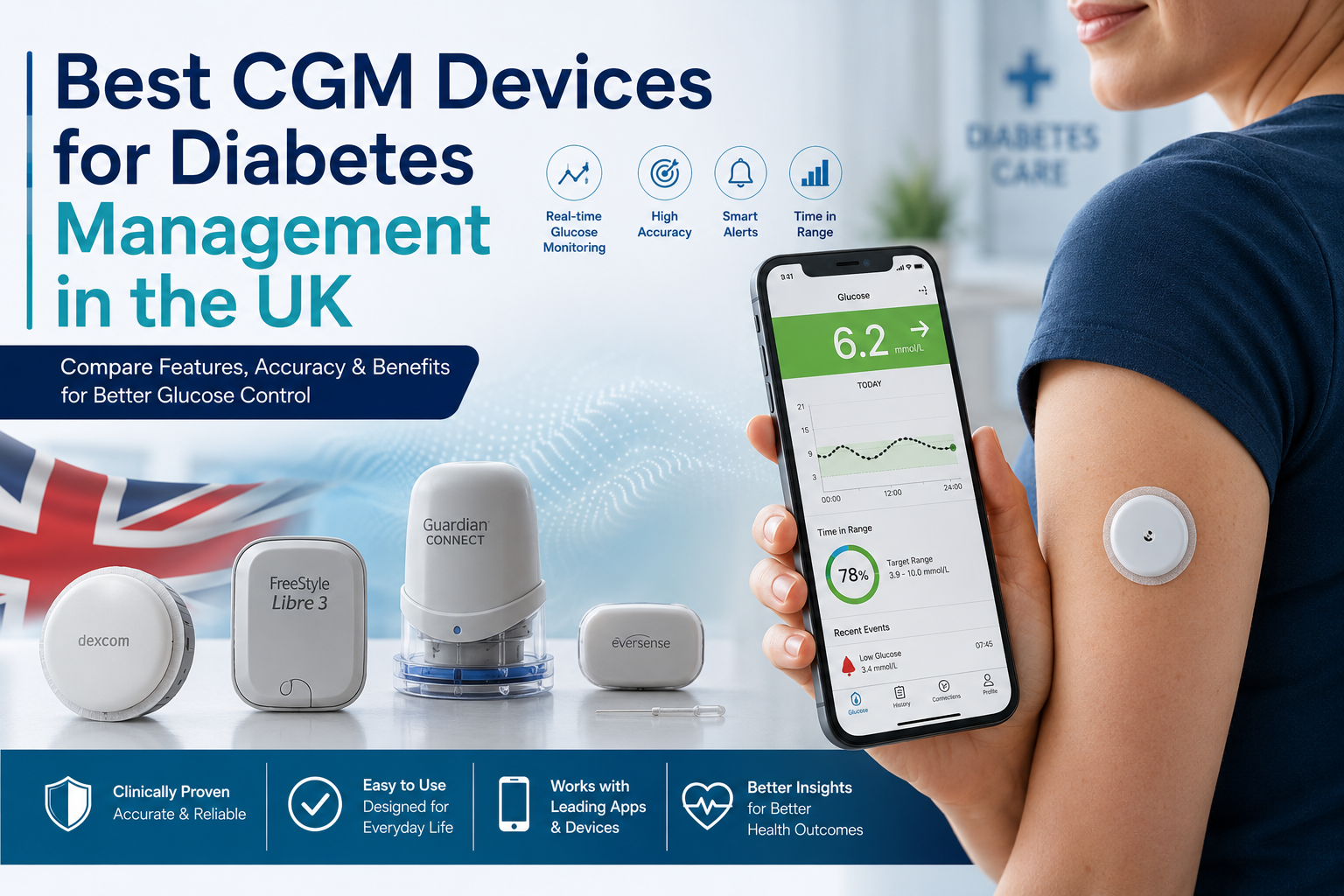
Best CGM Devices for Diabetes Management

A continuous glucose monitor (CGM) is one of the most useful tools available for managing diabetes, replacing routine finger-prick checks with a steady stream of real-time glucose data. In the UK, the best CGM for you depends on your diabetes type, whether you use insulin, whether you want a device that connects to an insulin pump, and how you access it. The leading options are the FreeStyle Libre family (Libre 2 Plus and Libre 3 Plus) and the Dexcom family (Dexcom ONE+, G6 and G7), with newer arrivals such as the implantable Eversense 365 expanding the choice further.

This guide explains the best CGM devices by use case, how they compare, and how NHS access works, so you can have an informed conversation with your diabetes team. If you are new to glucose monitoring, our overview of blood glucose testing options is a helpful starting point.

Quick picks

  • Best all-rounder for accuracy and alerts: Dexcom G7
  • Best for sensor wear and value: FreeStyle Libre 3 Plus
  • Best widely available NHS starter options: FreeStyle Libre 2 Plus and Dexcom ONE+
  • Best for insulin pump users: Dexcom G7, for its broad pump integration
  • Best for long-term, low-maintenance wear: Eversense 365, an implantable sensor

CGM devices compared

The table below summarises the main CGM systems available in the UK. Figures reflect manufacturer data and can change, so always confirm current specifications and availability with your provider.

Device

Wear time

MARD

Alerts

Best for

FreeStyle Libre 2 Plus

15 days

~9%

Optional high/low alarms

Widely available NHS starter option

FreeStyle Libre 3 Plus

15 days

~8%

Optional real-time alarms

Wear time, value, discreet monitoring

Dexcom ONE+

10 days

~9%

Customisable, repeat low alerts

Simple, lower-cost NHS starter option

Dexcom G7

10 days (+grace)

~8.2%

Customisable plus predictive lows

Accuracy, alerts, pump integration

Eversense 365

Up to 365 days

~9%

On-body vibration alerts

Long-term, low-maintenance wear

The best CGM devices in detail

One of the biggest concerns during summer is dehydration.
When the body loses fluids through sweating, glucose becomes more concentrated in the bloodstream. This can contribute to higher blood sugar readings.
Signs of dehydration include:

  •   Dry mouth
  •   Excessive thirst
  •   Fatigue
  •   Headaches
  •   Dark urine

Drinking water regularly throughout the day is especially important during hot weather.

At-a-glance comparison

The table below summarises how the main options compare. “Evidence strength” reflects the consistency and quality of human trials, not the size of the effect.

Supplement

Evidence

Typical studied dose

Key cautions

Berberine

Strongest

900 to 1,500 mg/day, split

GI upset; many drug interactions; avoid in pregnancy

Alpha-lipoic acid

Moderate

300 to 600 mg/day

Watch for lows alongside medication

Magnesium

Moderate*

250 to 350 mg/day

Benefit mainly if deficient; caution in kidney disease

Cinnamon

Mixed

1 to 6 g/day

Cassia is high in coumarin; keep doses moderate

Chromium

Weak

200 to 1,000 mcg/day

Interacts with thyroid medication

*Strongest when correcting a genuine magnesium deficiency.

The best CGM devices in detail

FreeStyle Libre 3 Plus: best for wear time and value

The FreeStyle Libre 3 Plus is Abbott’s flagship sensor and one of the smallest CGMs available, roughly the size of two stacked pennies. It sends a glucose reading to your phone every minute, lasts up to 15 days, and offers optional real-time alarms. Its long wear time and competitive price make it a strong value choice, and it can link with several compatible insulin pumps for a hybrid closed-loop setup. The earlier FreeStyle Libre 3 remains widely used and offers the same core experience.

Dexcom G7: best all-rounder for accuracy and alerts

The Dexcom G7 pairs excellent accuracy (around 8.2 percent MARD) with a fast 30-minute warm-up, customisable alerts, and predictive low-glucose alerts that warn you before you go low. It lasts 10 days with a 12-hour grace period, tolerates being submerged in water for longer than most rivals, and integrates more widely with insulin pumps and automated insulin delivery systems. It is often the best pick for intensive insulin management or anyone with impaired hypoglycaemia awareness.

FreeStyle Libre 2 Plus and Dexcom ONE+: best NHS starter options

These two lower-cost formulary devices are the most widely prescribed CGMs on the NHS, and they meet the needs of most people who qualify. The FreeStyle Libre 2 Plus offers 15-day wear, optional alarms, and data sharing. The Dexcom ONE+ offers 10-day wear, a 30-minute warm-up, repeat low-glucose alerts, and data sharing with up to 10 followers. Both are excellent, dependable entry points to continuous glucose monitoring.

Eversense 365: best for long-term, low-maintenance wear

The Eversense 365 is an implantable CGM whose sensor is placed under the skin of the upper arm by a healthcare professional and lasts up to a year, with a removable transmitter worn on top. It removes the routine of changing sensors every couple of weeks, though it requires a small insertion and removal procedure. Availability in the UK is more limited than the patch-based systems, so it is worth asking your specialist team whether it is an option for you.

How to choose the right CGM

There is no single best CGM for everyone. The right choice comes down to a few practical questions:

  • Do you use insulin, especially with a pump? If so, prioritise pump compatibility. The Dexcom G7 has the broadest integration.
  • Do you need strong hypo protection? Predictive low alerts, as on the Dexcom G7, give you warning before a low.
  • Is cost or wear time your priority? The FreeStyle Libre 3 Plus offers long wear and good value.
  • Do you prefer minimal fuss? A widely available NHS option such as the Libre 2 Plus or Dexcom ONE+ may be all you need.

Whichever you choose, it is sensible to keep a backup meter and a supply of test strips for the times a CGM reading does not match how you feel or glucose is changing quickly.

Getting a CGM on the NHS

NHS eligibility is guided by NICE and your local Integrated Care Board. Broadly, everyone with type 1 diabetes should be offered a CGM, and people with type 2 diabetes on insulin may also qualify. Lower-cost devices such as the FreeStyle Libre 2 Plus and Dexcom ONE+ are the usual starting point, while higher-cost devices such as the FreeStyle Libre 3 and Dexcom G7 are reserved for specific clinical needs and are often initiated by specialist teams. Note that Dexcom is phasing out the older G6 in favour of the G7. If you do not qualify for NHS funding, sensors can be bought privately from registered pharmacies.

Conclusion

The best CGM is the one that fits your diabetes type, your treatment, and your daily life. The Dexcom G7 is the strongest all-rounder for accuracy, alerts, and pump integration, while the FreeStyle Libre 3 Plus leads on wear time and value, and the Libre 2 Plus and Dexcom ONE+ are dependable, widely available starting points. You can explore CGM sensors and diabetes monitoring supplies through the Diabetes Pharmacy online shop, and if finger-prick testing is still part of your routine, meters that do not need test strips can make regular checks simpler to sustain.

FAQs

  1. What is the most accurate CGM?
    The Dexcom G7 and FreeStyle Libre 3 Plus are among the most accurate CGMs available, both with a MARD of around 8 percent. Accuracy is very close between the leading devices, and all are clinically reliable for everyday diabetes decisions when used as directed.
  2. Which CGM lasts the longest?
    Among patch sensors, the FreeStyle Libre 2 Plus and Libre 3 Plus last up to 15 days, compared with 10 days for Dexcom sensors. The implantable Eversense 365 lasts far longer, up to a full year, but requires a clinician to insert and remove it.
  3. Can I get a CGM if I have type 2 diabetes?
    Possibly. On the NHS, CGM is generally funded for type 2 diabetes when you are on insulin, though criteria vary locally. If you do not qualify, you can still buy a CGM privately, which some people with type 2 diabetes or prediabetes use to understand how food and activity affect their glucose.
  4. Do CGMs replace finger-prick testing completely?
    Mostly, but not entirely. Modern CGMs are factory calibrated and do not need routine finger-prick calibration, but you should still confirm with a meter and test strips when a reading does not match your symptoms or glucose is changing rapidly.
  5. Which CGM works with an insulin pump?
    Several do, but compatibility is specific. The Dexcom G7 has the broadest integration with pumps and automated insulin delivery systems, and some FreeStyle Libre sensors also connect with compatible pumps. Always check that your particular pump and sensor are approved to work together.
Share:

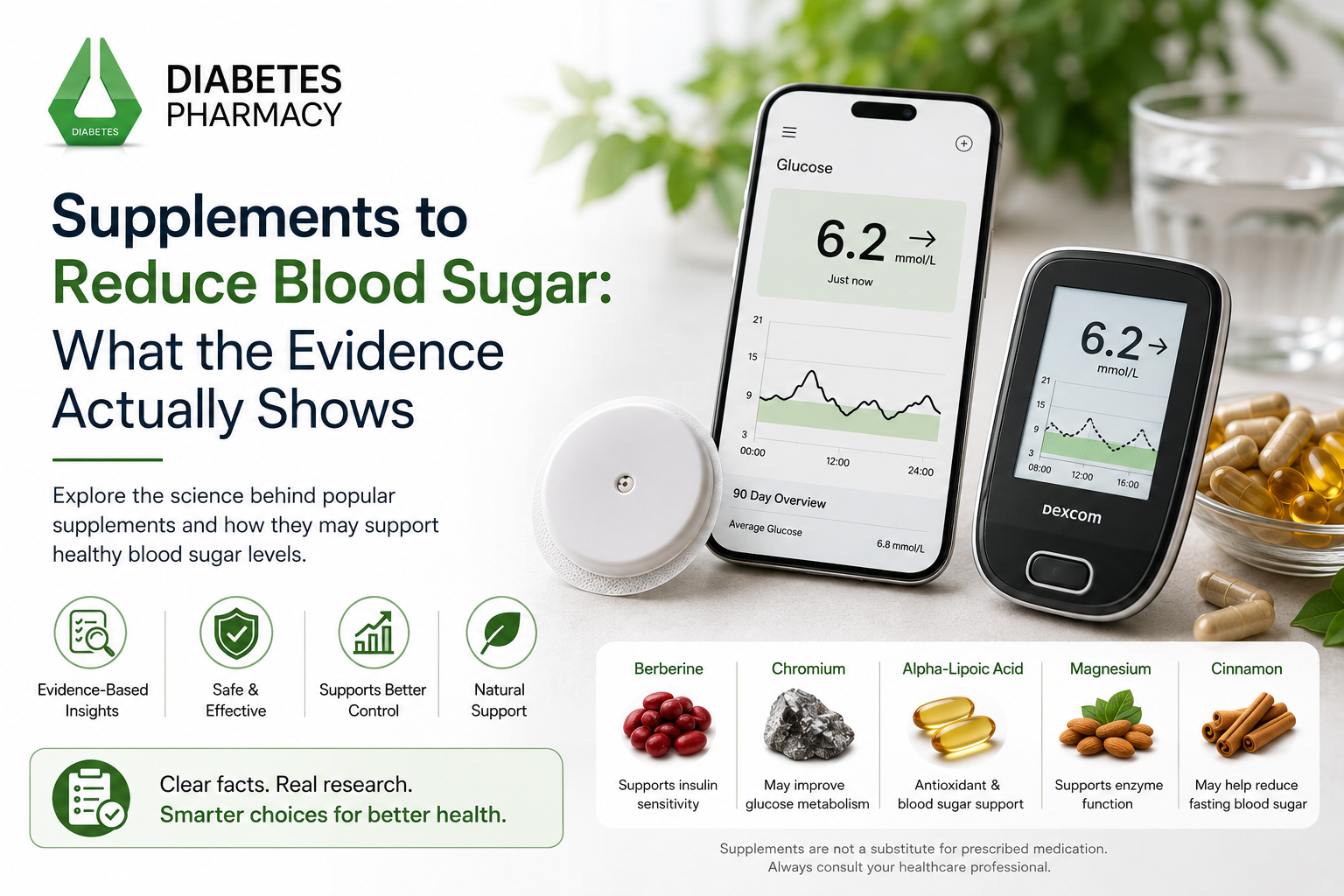
Supplements to Reduce Blood Sugar: What the Evidence Actually Shows

If you live with type 2 diabetes or prediabetes, you have probably wondered whether a supplement could help bring your blood sugar down. The honest answer is nuanced. A small number of supplements, most notably berberine, cinnamon, magnesium, alpha-lipoic acid and chromium, have shown modest, measurable effects on fasting glucose or HbA1c in clinical trials. None of them, however, is a replacement for medication, diet, exercise, or regular blood glucose monitoring.

This guide explains what the research shows for each supplement, typical studied doses, safety considerations, and how supplements fit alongside proven diabetes management. Always speak to your GP, pharmacist, or diabetes team before starting anything new, especially if you take glucose-lowering medication.

First, the foundations that actually work

No supplement outperforms the core pillars of blood sugar control: a balanced diet, regular physical activity, adequate sleep, medication taken as prescribed, and consistent monitoring so you can see what is working. If you would like practical, everyday changes to build on, our guide to everyday habits that keep blood sugar stable is a good place to start. Supplements should be viewed as a possible add-on at the margins, not the main strategy.

Because the effects are small, the only reliable way to know whether a supplement is helping you is to measure. A finger-prick meter or a continuous glucose monitor (CGM) lets you compare readings before and after a trial period of 8 to 12 weeks.

The supplements with the strongest evidence

1. Berberine

Berberine is a compound extracted from plants such as barberry and goldenseal, and it has the most consistent human evidence of any supplement on this list. A 2022 meta-analysis of 37 randomised trials (3,048 participants) found that berberine reduced fasting plasma glucose by about 0.8 mmol/L and HbA1c by roughly 0.6 percent, an effect that, in some trials, was comparable to metformin.

Typical studied dose: 900 to 1,500 mg per day, usually split across meals, for one to three months. Safety: berberine commonly causes digestive upset, such as diarrhoea, cramping, or constipation, and it can interact with many medications. It should be avoided in pregnancy and breastfeeding.

2. Cinnamon

Cinnamon may modestly improve insulin sensitivity and lower fasting glucose, though trial results are mixed. Two forms exist: Cassia (the common supermarket type, which is more studied but higher in coumarin) and Ceylon (“true” cinnamon, which is lower in coumarin). High-dose Cassia taken over long periods can stress the liver, so keep doses moderate.

Typical studied dose: 1 to 6 g per day. It is best treated as a minor, optional adjunct rather than a core intervention.

3. Magnesium

Magnesium deficiency is common in people with type 2 diabetes, and correcting a genuine deficiency appears to improve insulin sensitivity. The benefit is clearest when you are actually low in magnesium. Supplementing beyond your needs is unlikely to help and can cause diarrhoea. Dietary sources include leafy greens, nuts, seeds, and whole grains.

Typical studied dose: 250 to 350 mg per day of elemental magnesium. Safety: high doses can cause loose stools, and caution is needed with kidney disease.

4. Alpha-lipoic acid (ALA)

Alpha-lipoic acid is an antioxidant most valued for easing the symptoms of diabetic peripheral neuropathy (nerve pain), with meta-analyses also reporting modest reductions in fasting glucose and HbA1c. It is one of the better-supported options where nerve discomfort is a concern.

Typical studied dose: 300 to 600 mg per day. Safety: it is generally well tolerated, but it may add to the glucose-lowering effect of medication, so monitor for lows.

5. Chromium

Chromium, usually taken as chromium picolinate, plays a role in how the body uses insulin. The evidence is weak and inconsistent, but some trials show small improvements in fasting glucose, particularly in people with a deficiency. Note that chromium picolinate is not interchangeable with other chromium forms used in research.

Typical studied dose: 200 to 1,000 mcg per day. Safety: it is generally safe at typical doses, but it can interact with thyroid medication and some others.

Others with weaker or mixed evidence

  • Gymnema sylvestre: the Ayurvedic “sugar destroyer,” studied for reducing sugar absorption and cravings.
  • Fenugreek: a soluble fibre that may blunt post-meal spikes.
  • Bitter melon: contains insulin-like compounds, though trial quality is generally low.
  • Vitamin D: correcting a deficiency may support insulin function, but supplementing when levels are normal shows little benefit.

Dehydration and High Blood Sugar

One of the biggest concerns during summer is dehydration.
When the body loses fluids through sweating, glucose becomes more concentrated in the bloodstream. This can contribute to higher blood sugar readings.
Signs of dehydration include:

  •   Dry mouth
  •   Excessive thirst
  •   Fatigue
  •   Headaches
  •   Dark urine

Drinking water regularly throughout the day is especially important during hot weather.

At-a-glance comparison

The table below summarises how the main options compare. “Evidence strength” reflects the consistency and quality of human trials, not the size of the effect.

Supplement

Evidence

Typical studied dose

Key cautions

Berberine

Strongest

900 to 1,500 mg/day, split

GI upset; many drug interactions; avoid in pregnancy

Alpha-lipoic acid

Moderate

300 to 600 mg/day

Watch for lows alongside medication

Magnesium

Moderate*

250 to 350 mg/day

Benefit mainly if deficient; caution in kidney disease

Cinnamon

Mixed

1 to 6 g/day

Cassia is high in coumarin; keep doses moderate

Chromium

Weak

200 to 1,000 mcg/day

Interacts with thyroid medication

*Strongest when correcting a genuine magnesium deficiency.

Using supplements safely

Because several of these supplements can lower blood sugar, combining them with insulin or medications such as sulphonylureas raises the risk of hypoglycaemia. Here are a few practical safeguards:

  • Talk to your pharmacist or GP first, especially about interactions with your current prescriptions.
  • Introduce one supplement at a time so you can tell what is actually having an effect.
  • Measure before and after. Use a meter or CGM over an 8 to 12 week trial and look at fasting and post-meal readings.
  • Choose quality products that state the specific form and dose used in research, such as berberine HCl.

Keeping testing consistent does not have to be expensive. Our guide to affordable blood sugar testing in the UK explains how to keep monitoring costs down, and if handling strips is a barrier, strip-free meter options can make regular checks easier to sustain.

Conclusion

Supplements are not a shortcut, and they are not a substitute for treatment. Berberine and alpha-lipoic acid have the most convincing evidence, magnesium helps mainly when you are deficient, and cinnamon and chromium are minor players at best. Any real-world benefit is modest and only appears when a supplement is paired with the fundamentals: good food, movement, prescribed medication, and regular glucose monitoring.

If you decide to trial one, do it with your healthcare team’s input and track the results. You can explore blood glucose meters, test strips and CGM sensors through the Diabetes Pharmacy online shop to measure whether a supplement is genuinely making a difference for you.

FAQs

  1. What is the best supplement to lower blood sugar?
    Berberine has the strongest and most consistent clinical evidence, with meta-analyses showing reductions in fasting glucose and HbA1c that were comparable to metformin in some trials. However, it can cause digestive side effects and interacts with many medications, so it should only be used with medical guidance.
  2. Can supplements replace diabetes medication?
    No. No supplement is proven to replace insulin or oral diabetes medication. Supplements may offer a small additional benefit at best, and they should never be used instead of a treatment plan agreed with your healthcare team.
  3. How long before a supplement shows an effect on blood sugar?
    Most clinical trials run for 8 to 12 weeks. If you trial a supplement, monitor your fasting and post-meal readings across that period with a meter or CGM so you can objectively see whether it is helping.
  4. Are blood sugar supplements safe to take with metformin?
    Some, such as berberine, can add to metformin’s glucose-lowering effect and increase the risk of hypoglycaemia or digestive side effects. Always check with your pharmacist or GP before combining supplements with any prescription medication.
  5. Does cinnamon really lower blood sugar?
    Some studies show that cinnamon can modestly improve fasting glucose and insulin sensitivity, but the results are inconsistent. If you use it, keep doses moderate, especially with Cassia cinnamon, which is high in coumarin and can affect the liver at high intakes.
Share:

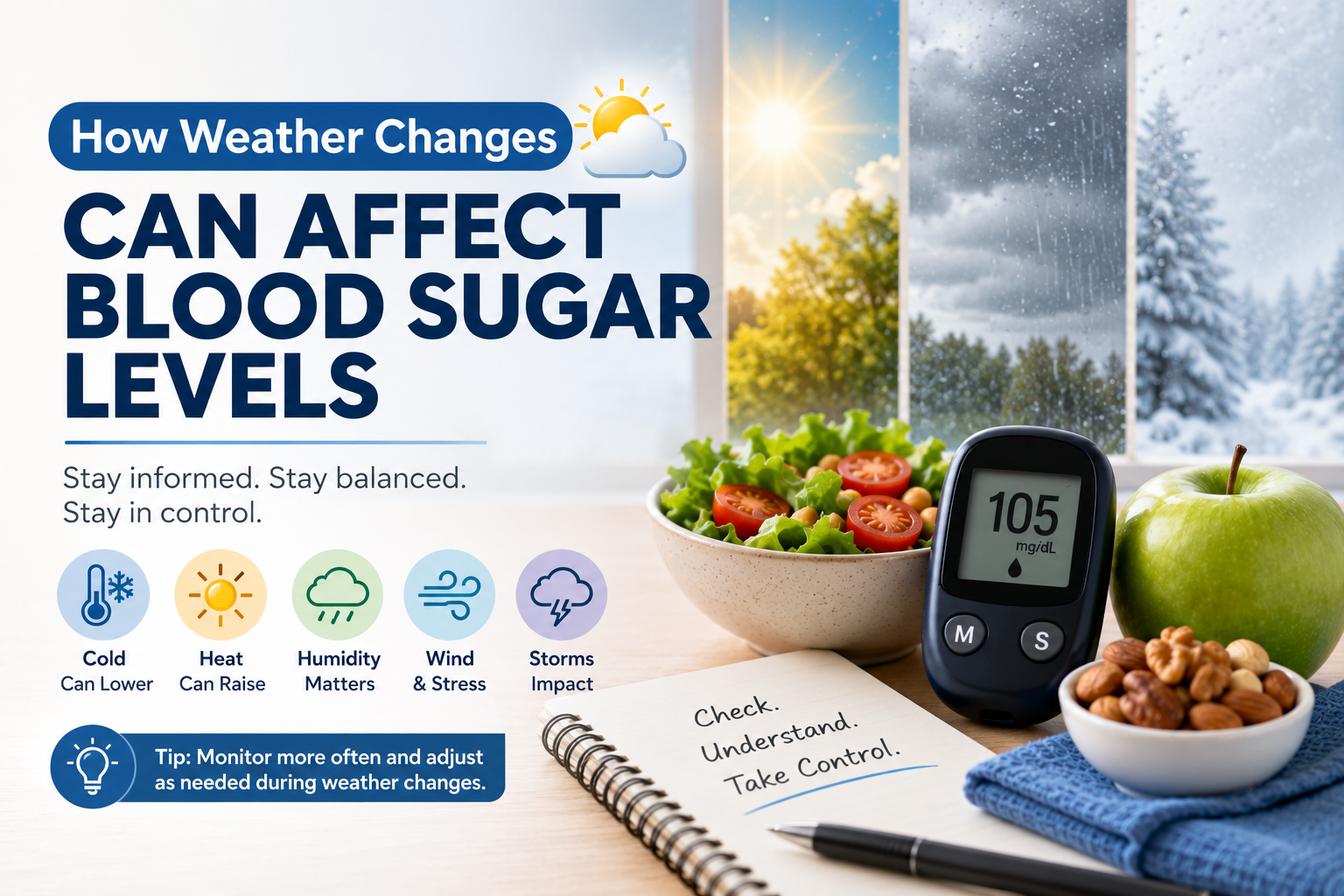
How Weather Changes Can Affect Blood Sugar Levels

Most people with diabetes understand that food, medication, and exercise can influence blood glucose levels. However, one factor that is often overlooked is the weather.

Changes in temperature, humidity, and seasonal conditions can affect how your body responds to insulin, physical activity, hydration, and even glucose monitoring devices. Understanding these effects can help you make better decisions throughout the year and maintain more consistent blood sugar control.

Can Weather Really Impact Blood Sugar?

Yes. Both hot and cold weather can affect blood glucose levels in different ways.
Your body’s response to temperature changes may influence:

  •   Insulin sensitivity
  •   Hydration levels
  •   Physical activity patterns
  •   Appetite and eating habits
  •   Medication effectiveness
  •   Blood circulation

    While the impact varies from person to person, many people with diabetes notice changes in their glucose readings during seasonal transitions.

How Hot Weather Can Affect Blood Sugar

Warm temperatures can increase blood flow, which may cause insulin to be absorbed more quickly than usual.
This can sometimes lead to:

  •   Lower blood sugar levels
  •   Increased risk of hypoglycaemia
  •   Faster insulin action
  •   Greater glucose fluctuations

Hot weather may also encourage outdoor activities, which can further lower blood sugar levels.

Dehydration and High Blood Sugar

One of the biggest concerns during summer is dehydration.
When the body loses fluids through sweating, glucose becomes more concentrated in the bloodstream. This can contribute to higher blood sugar readings.
Signs of dehydration include:

  •   Dry mouth
  •   Excessive thirst
  •   Fatigue
  •   Headaches
  •   Dark urine

Drinking water regularly throughout the day is especially important during hot weather.

How Cold Weather Can Affect Blood Sugar

Cold temperatures can create different challenges.
When the body becomes cold, it releases stress hormones that help maintain body temperature. These hormones may cause blood glucose levels to rise.
Cold weather may also lead to:

  •   Reduced physical activity
  •   Increased comfort eating
  •   Less time spent outdoors
  •   Higher insulin resistance

For some people, winter months can result in higher average glucose readings.

Seasonal Illnesses and Blood Sugar

Colds, flu, and seasonal infections are more common during certain times of the year.

When you’re unwell, your body releases hormones to fight infection. These hormones can increase blood sugar levels even if you’re eating less than usual.

During illness:

  •   Monitor glucose more frequently
  •   Stay hydrated
  •   Follow your healthcare provider’s sick-day guidance
  •   Continue monitoring for signs of hyperglycaemia

Humidity Can Make a Difference

High humidity can increase the body’s difficulty cooling itself.

As a result:

  •   Sweating may increase
  •   Dehydration risk may rise
  •   Glucose management may become more challenging

    People who use Continuous Glucose Monitoring systems may also notice that excessive sweating occasionally affects sensor adhesion.

How Weather Affects Physical Activity

Weather often influences exercise habits.

During warmer months, many people:

  •   Walk more
  •   Cycle more frequently
  •   Spend more time outdoors
    During colder months, activity levels may decline.

    Since physical activity affects glucose levels, seasonal changes in exercise routines can contribute to noticeable blood sugar differences.

Protecting Diabetes Supplies During Extreme Temperatures

Diabetes supplies can be sensitive to temperature changes.

Protecting Insulin

Insulin should never be exposed to excessive heat or freezing temperatures.
Avoid:

  •   Leaving insulin in a parked car
  •   Storing insulin in direct sunlight
  •   Freezing insulin accidentally
    Always follow manufacturer storage recommendations.

Protecting CGM Sensors and Glucose Meters

Extreme temperatures may affect the performance of:

  •   Continuous Glucose Monitoring systems
  •   Blood glucose meters
  •   Test strips
  •   Sensor adhesives

    Store supplies according to product instructions to maintain accuracy and reliability.

Tips for Managing Blood Sugar During Weather Changes

Seasonal changes don’t have to disrupt your diabetes management.

Consider these practical strategies:

  •   Monitor glucose levels consistently
  •   Stay hydrated year-round
  •   Adjust activity levels safely
  •   Carry glucose treatment when exercising
  •   Protect medications from extreme temperatures
  •   Watch for patterns during seasonal transitions
  •   Discuss recurring changes with your healthcare team

    Tracking glucose trends can help identify how your body responds to different weather conditions.

When to Pay Extra Attention

You may need to monitor more closely when:

  •   Travelling to a significantly different climate
  •   Experiencing heatwaves
  •   Spending extended periods outdoors
  •   Participating in winter sports
  •   Recovering from seasonal illness
    Being proactive can help prevent unexpected highs and lows.

Final Thoughts

Weather may not be the first factor that comes to mind when thinking about blood sugar management, but it can have a meaningful impact on glucose levels. Heat, cold, humidity, dehydration, illness, and seasonal lifestyle changes all play a role in how your body responds throughout the year.

By understanding these influences and monitoring your glucose regularly, you can make informed adjustments and stay confident in your diabetes management regardless of the season.

At Diabetes Pharmacy UK, we provide trusted diabetes supplies, Continuous Glucose Monitoring systems, blood glucose meters, test strips, lancets, and accessories to support your health in every season.

Share:

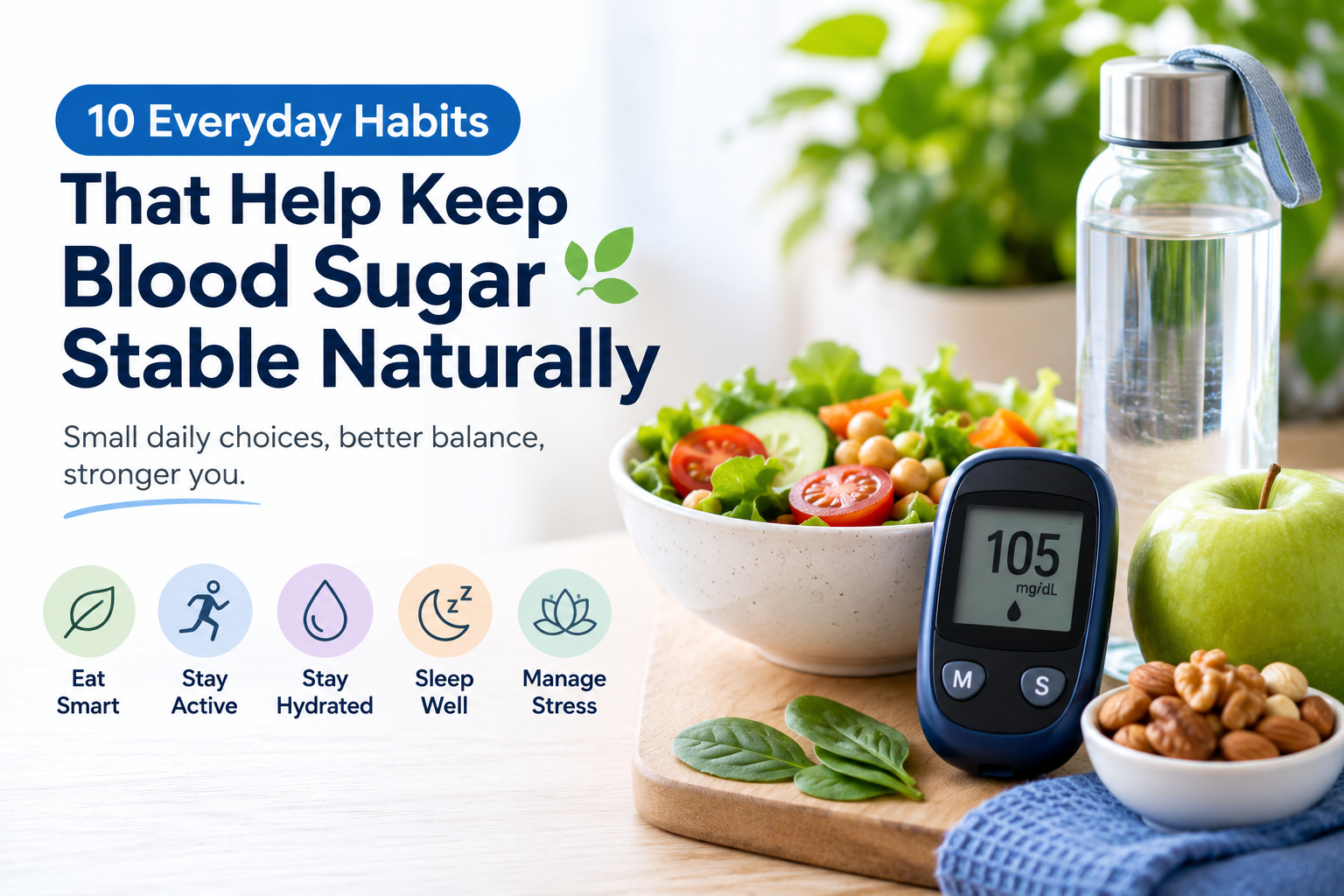
10 Everyday Habits That Help Keep Blood Sugar Stable Naturally

Managing blood sugar isn’t just about taking medication. Small, consistent daily habits can make a significant difference in helping people with diabetes maintain healthier glucose levels and improve overall well-being.

Whether you’ve recently been diagnosed or have been managing diabetes for years, building healthier routines can reduce glucose fluctuations, increase energy, and lower the risk of long-term complications.

Why Daily Habits Matter

Blood sugar levels are influenced by multiple factors throughout the day, including:

  • Food choices
  • Physical activity
  • Sleep quality
  • Stress levels
  • Hydration
  • Medication adherence

Improving just a few of these areas consistently can lead to better diabetes management over time.

1. Never Skip Breakfast

Eating a balanced breakfast helps stabilize blood sugar after an overnight fast.

A healthy breakfast should include:

  • Protein
  • Fibre
  • Healthy fats
  • Complex carbohydrates

Good examples include Greek yogurt with berries, eggs on wholegrain toast, or oatmeal with nuts and seeds.

2. Choose High-Fibre Foods

Fibre slows carbohydrate digestion, helping prevent sudden blood sugar spikes.

Foods rich in fibre include:

  • Vegetables
  • Whole grains
  • Lentils
  • Beans
  • Chickpeas
  • Chia seeds
  • Apples
  • Pears

Aim to include fibre at every meal.

3. Stay Hydrated Throughout the Day

Dehydration may contribute to higher blood sugar levels.

Water is always the best choice.

Limit sugary drinks, fruit juices, and sweetened beverages that can quickly increase glucose levels.

4. Walk After Meals

A short walk after eating helps muscles use glucose more efficiently.

Even 15–20 minutes of light walking after lunch or dinner can help reduce post-meal blood sugar spikes.

5. Monitor Blood Glucose Regularly

Checking your glucose provides valuable insight into how your body responds to food, exercise, medication, and daily routines.

Continuous glucose monitors (CGMs) make tracking easier by providing real-time glucose readings throughout the day.

Regular monitoring helps identify patterns before they become problems, and keeping testing affordable and consistent makes it easier to stick to your recommended routine.

6. Prioritise Quality Sleep

Poor sleep can increase insulin resistance and make blood sugar harder to control.

Adults should aim for approximately 7–9 hours of quality sleep each night.

Good sleep habits include:

  • Maintaining a regular bedtime
  • Reducing screen time before bed
  • Keeping the bedroom cool and quiet

7. Manage Daily Stress

Effective diabetes management is about having access to the right information and tools. At Diabetes Pharmacy, we are committed to helping people find trusted diabetes products and monitoring solutions that support healthier lifestyles and improved glucose management.

Whether you are new to Continuous Glucose Monitoring or looking to upgrade your current diabetes management routine, understanding how CGM technology works can help you make informed decisions about your care.

8. Eat Balanced Meals

Instead of focusing only on carbohydrates, build balanced meals that include:

  • Lean protein
  • Healthy fats
  • Fibre-rich vegetables
  • Controlled portions of carbohydrates

This combination helps slow glucose absorption and keeps you feeling fuller for longer.

9. Take Medications as Prescribed

Consistency is essential.

Whether you use insulin or oral diabetes medication, taking it at the recommended time helps maintain stable blood sugar throughout the day.

If you experience side effects or have concerns, speak with your healthcare provider before making changes. Our guide on choosing the right monitoring system can also help you raise the right questions during appointments.

10. Keep Diabetes Supplies Ready

Having your diabetes supplies available helps you stay prepared wherever you are.

Useful items include:

Replacing supplies before they run out helps avoid interruptions in your diabetes management routine — you can restock everything in one place through the Diabetes Pharmacy online shop.

Common Mistakes That Can Raise Blood Sugar

Many people unknowingly make habits that contribute to unstable glucose levels.

Common examples include:

  • Skipping meals
  • Drinking sugary beverages
  • Sitting for long periods
  • Poor sleep
  • Ignoring stress
  • Missing medication doses
  • Not checking blood glucose regularly

Recognising these habits early makes them easier to improve.

Small Changes Create Lasting Results

Managing diabetes doesn’t require perfection. Consistent daily habits often have a greater impact than occasional dramatic lifestyle changes.

By making healthier food choices, staying active, monitoring glucose regularly, and following your treatment plan, you can build routines that support better blood sugar control and overall health.

Final Verdict

Healthy diabetes management begins with everyday choices. While medication and medical guidance remain important, lifestyle habits play a vital role in supporting stable blood sugar levels.

Simple actions like eating balanced meals, staying active, sleeping well, managing stress, and regularly monitoring your glucose can help you feel more confident in your diabetes journey.

Working closely with your healthcare team and maintaining healthy routines can help improve both short-term blood sugar management and long-term health outcomes. Explore trusted meters, strips and CGM sensors to keep your routine on track.

FAQS

  1. Can walking really lower blood sugar?
    Yes. Light to moderate exercise after meals helps muscles use glucose more efficiently, which may reduce post-meal blood sugar levels.
  2. How often should blood sugar be checked?
    The ideal frequency depends on your diabetes type, treatment plan, and healthcare provider’s recommendations. People using insulin or CGMs often monitor more frequently. Our blood glucose testing guide explains the options in more detail.
  3. Which foods help keep blood sugar stable?
    Foods rich in fibre, lean protein, healthy fats, and whole grains generally help maintain more stable blood sugar compared to refined carbohydrates and sugary foods.
  4. Does drinking more water lower blood sugar?
    Staying hydrated supports normal body function and may help maintain healthy blood sugar levels, although water is not a treatment for high blood sugar.
  5. Is stress linked to higher blood sugar?
    Yes. Physical and emotional stress can increase hormones that raise blood glucose, making stress management an important part of diabetes care.
Share:

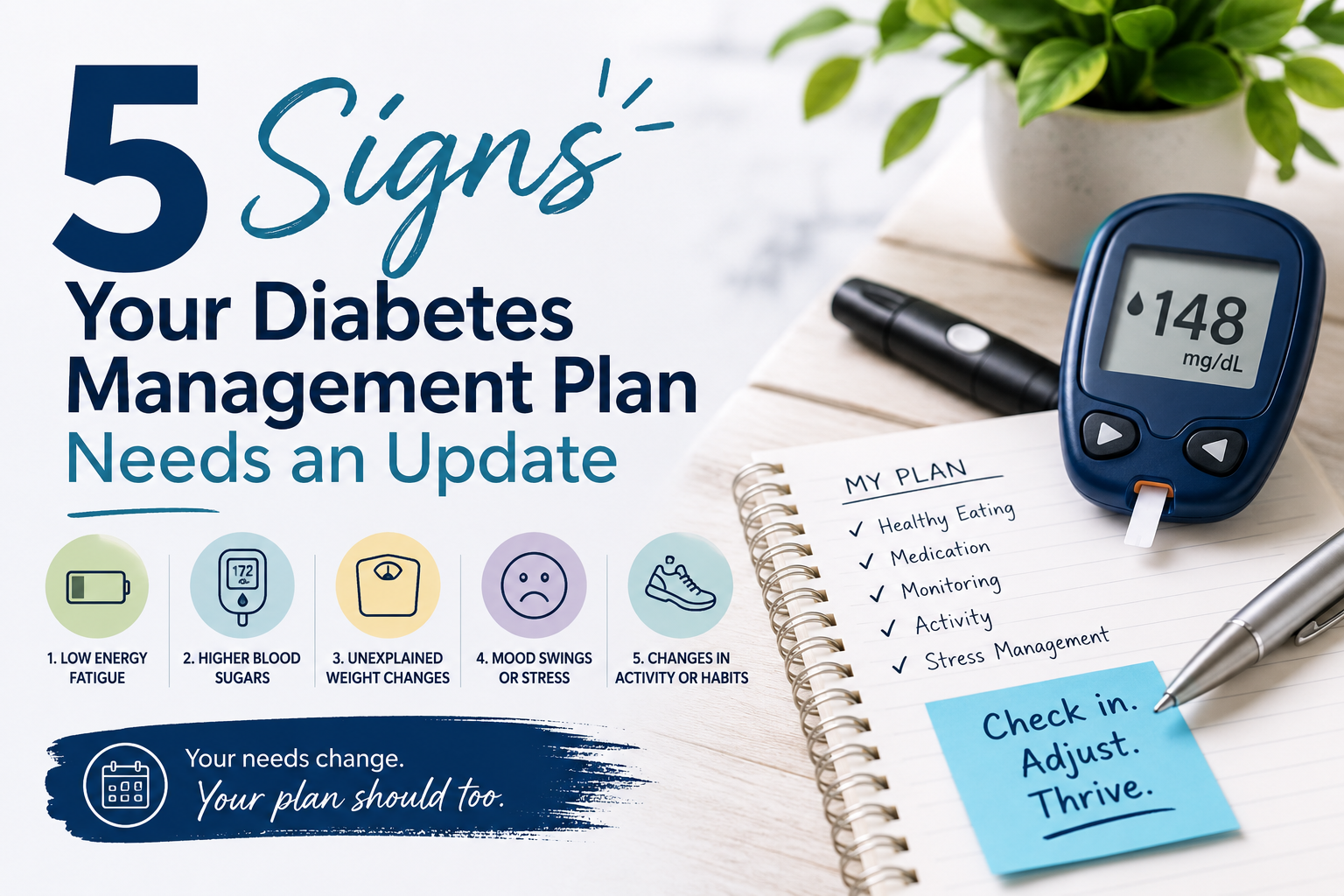
5 Signs Your Diabetes Management Plan May Need an Update

Managing diabetes is not a one-time process. As your body, lifestyle, health conditions, and daily routines change, your diabetes management plan may also need adjustments. What worked well six months or even a year ago may not be as effective today.

Regular monitoring and ongoing communication with healthcare professionals are important for maintaining healthy blood glucose levels and reducing the risk of diabetes-related complications. Recognizing the signs that your current diabetes management approach may need updating can help you take action before small challenges become larger concerns.

1. Your Blood Sugar Levels Are Frequently Outside Your Target Range

One of the most common indicators that your diabetes management plan may need reviewing is consistently high or low blood glucose readings.

Occasional fluctuations are normal, but frequent readings outside your recommended target range could indicate that adjustments are needed.

Possible causes include:

  • Changes in eating habits
  • Reduced physical activity
  • Stress
  • Illness
  • Medication effectiveness
  • Weight changes

Regular blood glucose monitoring can help identify patterns and provide valuable information for discussions with your healthcare team.

2. You Experience More Frequent High or Low Blood Sugar Episodes

Repeated episodes of hyperglycaemia (high blood sugar) or hypoglycaemia (low blood sugar) should not be ignored.

Symptoms of high blood sugar may include:

  • Increased thirst
  • Frequent urination
  • Fatigue
  • Blurred vision

Symptoms of low blood sugar may include:

  • Shaking
  • Sweating
  • Dizziness
  • Confusion
  • Hunger

Frequent fluctuations can affect your quality of life and may indicate that your current diabetes management strategy requires modification.

3. Your Lifestyle Has Changed

Major lifestyle changes can have a significant impact on blood glucose management.

Examples include:

  • Starting a new job
  • Changes in physical activity
  • Travel
  • Dietary changes
  • Retirement
  • Pregnancy
  • Changes in sleep patterns

Even positive lifestyle changes may require adjustments to your monitoring routine, medication schedule, or nutrition plan.

4. You Are Struggling to Understand Your Blood Sugar Patterns

Many people find it difficult to identify why their blood glucose levels fluctuate throughout the day.

Traditional finger-prick testing provides useful information, but it only captures glucose levels at specific moments.

Continuous Glucose Monitoring (CGM) systems can provide a broader picture by showing:

  • Real-time glucose readings
  • Trend data
  • High and low glucose alerts
  • Daily glucose patterns

These insights can help individuals make more informed decisions about food, exercise, and diabetes management.

5. You Haven’t Reviewed Your Diabetes Plan Recently

Diabetes management is an ongoing process that benefits from regular review.

Healthcare professionals may recommend periodic assessments of:

  • Blood glucose targets
  • Medications
  • Monitoring methods
  • Diet and nutrition
  • Physical activity levels
  • Overall health goals

Even if your diabetes appears well controlled, routine reviews can help ensure your management plan continues to support your long-term health.

The Importance of Regular Monitoring

Monitoring plays a crucial role in effective diabetes management. Understanding how your blood glucose responds to everyday activities can help you identify patterns and make adjustments when needed.

Modern diabetes management tools, including blood glucose meters and Continuous Glucose Monitoring systems, provide valuable information that supports informed decision-making.

The more data you have about your glucose levels, the easier it becomes to manage diabetes with confidence.

When to Speak with Your Healthcare Team

If you notice any of these warning signs, it may be time to discuss your diabetes management plan with a healthcare professional.

Seek guidance if:

  • Blood glucose levels remain consistently high or low
  • You experience frequent hypoglycaemia
  • Symptoms become more difficult to manage
  • Lifestyle changes affect glucose control
  • You are unsure how to interpret glucose patterns

Early intervention can help prevent complications and improve long-term outcomes.

The ability to track glucose trends in real time, identify fluctuations quickly, and access detailed data has made CGM an increasingly popular option for people seeking greater control over their diabetes management.

Supporting Better Diabetes Management

Successful diabetes management involves a combination of monitoring, healthy lifestyle habits, medication adherence, and regular healthcare support.

At Diabetes Pharmacy, we understand that every diabetes journey is unique. Access to reliable diabetes products, monitoring solutions, and educational resources can help individuals feel more confident in managing their condition and maintaining healthier glucose levels.

Final Verdict

Diabetes management needs can change over time, making regular reviews essential for long-term success. If your blood glucose levels are becoming harder to manage, you’re experiencing more frequent fluctuations, or your lifestyle has changed significantly, it may be time to reassess your current approach.

By staying proactive and using the right monitoring tools, you can gain valuable insights into your diabetes and continue working toward better health and wellbeing.

FAQS

1. How do I know if my diabetes management plan needs updating?

Your diabetes management plan may need reviewing if your blood sugar levels are consistently outside your target range, you experience frequent highs or lows, your lifestyle has changed, or you’re finding it difficult to manage your diabetes effectively. Regular check-ups with your healthcare team can help determine if adjustments are needed.

2. How often should a diabetes management plan be reviewed?

The frequency of reviews depends on your individual needs, but many healthcare professionals recommend reviewing your diabetes management plan at least once or twice a year, or sooner if your health, medication, or lifestyle changes significantly.

3. What causes blood sugar levels to become harder to control?

Several factors can affect blood glucose control, including changes in diet, physical activity, stress, illness, medications, weight, sleep patterns, and hormonal changes. Identifying these factors can help improve diabetes management.

4. Can lifestyle changes affect diabetes management?

Yes. Changes such as starting a new job, travelling, exercising more or less, changing your diet, pregnancy, retirement, or altered sleep routines can all impact blood glucose levels and may require adjustments to your diabetes care plan.

5. What are the benefits of Continuous Glucose Monitoring (CGM)?

Continuous Glucose Monitoring (CGM) provides real-time glucose readings, trend data, and alerts for high and low blood sugar levels. This information can help you better understand how food, exercise, medication, and daily activities affect your glucose levels.

Share:

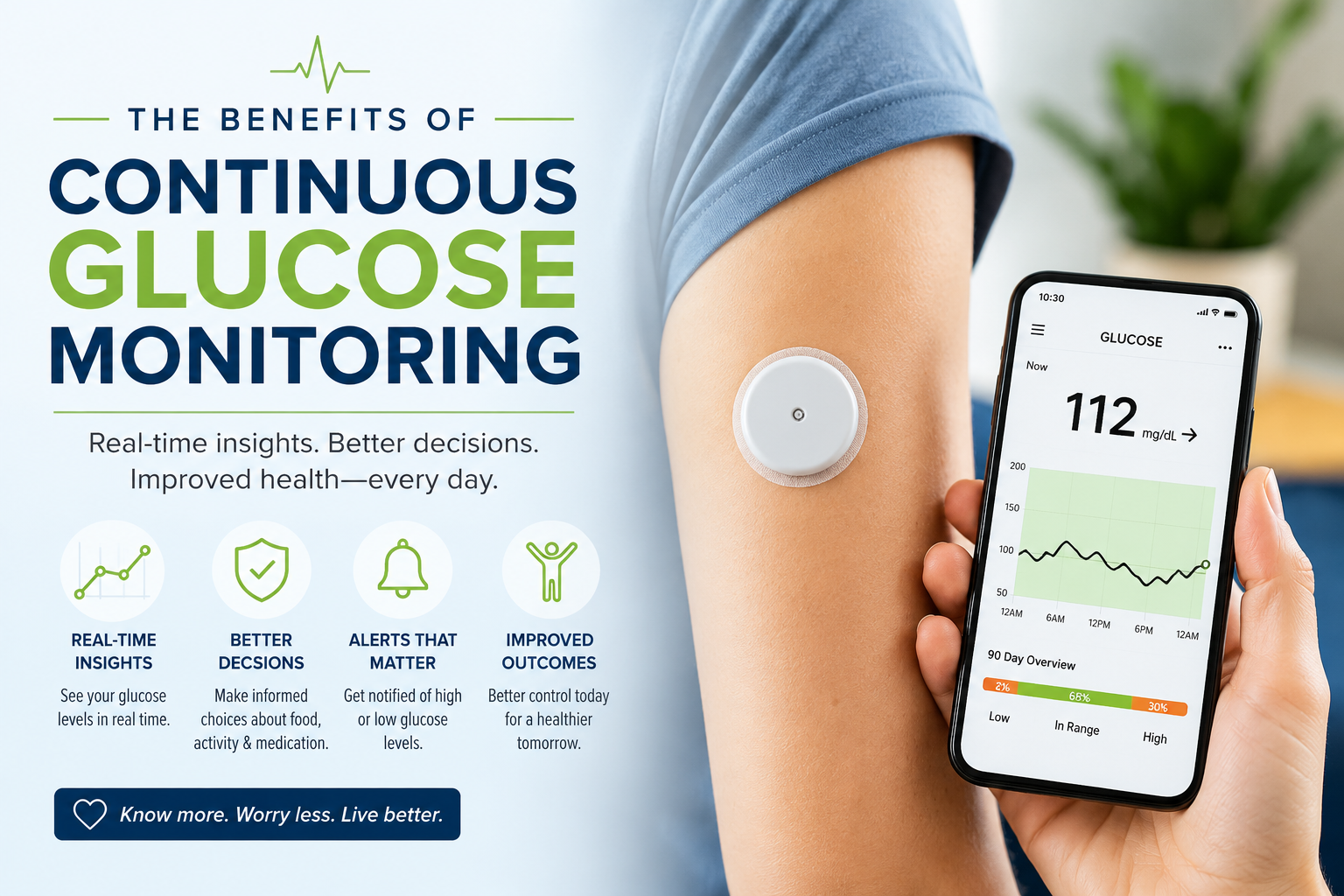
The Benefits of Continuous Glucose Monitoring

Managing diabetes effectively requires accurate and consistent blood glucose monitoring. While traditional finger-prick testing remains a valuable tool, many people living with diabetes are now turning to Continuous Glucose Monitoring (CGM) technology for greater visibility into their glucose levels and daily trends.

Continuous Glucose Monitoring has transformed diabetes care by providing real-time glucose insights that help individuals make more informed decisions about food, exercise, medication, and overall diabetes management.

At Diabetes Pharmacy, we understand the importance of having access to reliable diabetes management tools that support better health outcomes and greater confidence in everyday life.

What Is Continuous Glucose Monitoring?

Continuous Glucose Monitoring (CGM) is an advanced diabetes management technology that tracks glucose levels throughout the day and night using a small sensor worn on the body.

Unlike traditional testing methods that provide a single reading at a specific moment, CGM systems continuously monitor glucose levels and provide valuable trend data. This allows users to better understand how their glucose levels respond to meals, physical activity, stress, sleep, and medication.

How Does a CGM System Work?

A Continuous Glucose Monitoring system typically includes three main components:

Sensor

A small sensor is applied to the skin and measures glucose levels in the interstitial fluid.

Transmitter

The transmitter sends glucose readings from the sensor to a compatible reader or smartphone application.

Reader or Mobile App

Users can access real-time glucose readings, trend information, and alerts that help support daily diabetes management.

Together, these components provide a comprehensive view of glucose behaviour throughout the day.

Benefits of Continuous Glucose Monitoring

  1. Real-Time Glucose Visibility
    One of the biggest advantages of CGM technology is the ability to see glucose levels in real time. This enables users to make proactive decisions rather than relying solely on occasional glucose checks.
  2. Better Understanding of Glucose Trends
    CGM systems provide trend arrows and historical data that reveal patterns and fluctuations. Understanding these trends can help individuals identify factors that influence their glucose levels.
  3. Early Alerts for High and Low Glucose Levels
    Many CGM systems offer customizable alerts that notify users when glucose levels move outside their target range. These alerts can provide valuable warning signs before symptoms become severe.
  4. Improved Diabetes Management
    Access to continuous glucose data can support more informed discussions with healthcare professionals and help users make adjustments to their diabetes management plans.
  5. Reduced Dependence on Finger-Prick Testing
    While finger-prick testing may still be required in certain situations, many users find that CGM technology reduces the need for frequent manual testing.
  6. Greater Confidence and Peace of Mind
    Knowing that glucose levels are being monitored continuously can provide reassurance during work, exercise, travel, and sleep.

Who Can Benefit from Continuous Glucose Monitoring?

CGM technology can be beneficial for:

  • People living with Type 1 Diabetes
  • People managing Type 2 Diabetes
  • Individuals using insulin therapy
  • Active individuals monitoring glucose responses during exercise
  • Anyone seeking better insight into glucose patterns and trends

As diabetes management becomes increasingly personalised, CGM systems continue to play an important role in supporting individual care plans.

Understanding the Impact of Daily Habits

Many factors can influence blood glucose levels throughout the day. Continuous Glucose Monitoring helps users understand the impact of:

  • Meals and snacks
  • Physical activity
  • Stress levels
  • Sleep patterns
  • Medication schedules
  • Daily routines

These insights allow individuals to make informed lifestyle adjustments that support better glucose control.

Popular Features Found in Modern CGM Systems

Today’s Continuous Glucose Monitoring systems offer a range of features designed to simplify diabetes management.

Common features include:

  • Real-time glucose readings
  • Trend arrows
  • High and low glucose alerts
  • Historical glucose reports
  • Smartphone connectivity
  • Data sharing capabilities
  • Improved sensor accuracy

These tools provide a clearer picture of glucose patterns and support more confident decision-making.

Why More People Are Choosing CGM Technology

As awareness of diabetes technology continues to grow, more individuals are embracing Continuous Glucose Monitoring as part of their daily routine.

The ability to track glucose trends in real time, identify fluctuations quickly, and access detailed data has made CGM an increasingly popular option for people seeking greater control over their diabetes management.

Supporting Your Diabetes Journey

Effective diabetes management is about having access to the right information and tools. At Diabetes Pharmacy, we are committed to helping people find trusted diabetes products and monitoring solutions that support healthier lifestyles and improved glucose management.

Whether you are new to Continuous Glucose Monitoring or looking to upgrade your current diabetes management routine, understanding how CGM technology works can help you make informed decisions about your care.

Final Verdict

Continuous Glucose Monitoring has become one of the most valuable innovations in diabetes care. By providing real-time glucose data, identifying trends, and supporting informed decision-making, CGM technology empowers individuals to take a more proactive approach to diabetes management.

As diabetes care continues to evolve, access to reliable monitoring tools remains essential for achieving better glucose control and supporting long-term health and wellbeing.

FAQS

  1. What is a Continuous Glucose Monitoring system?
    A Continuous Glucose Monitoring (CGM) system is a device that tracks glucose levels throughout the day and night using a small sensor placed on the body.
  2. How is CGM different from finger-prick testing?
    Finger-prick testing provides a single glucose reading, while CGM continuously tracks glucose levels and shows trends over time.
  3. Can CGM help reduce blood sugar fluctuations?
    Yes. CGM helps users identify patterns and make informed decisions that may support more stable glucose levels.
  4. Who can benefit from Continuous Glucose Monitoring?
    People with Type 1 diabetes, Type 2 diabetes, insulin users, and individuals seeking better glucose insights may benefit from CGM technology.
  5. Does CGM provide alerts for high and low glucose levels?
    Many modern CGM systems include alerts that notify users when glucose levels rise above or fall below their target range.
Share:

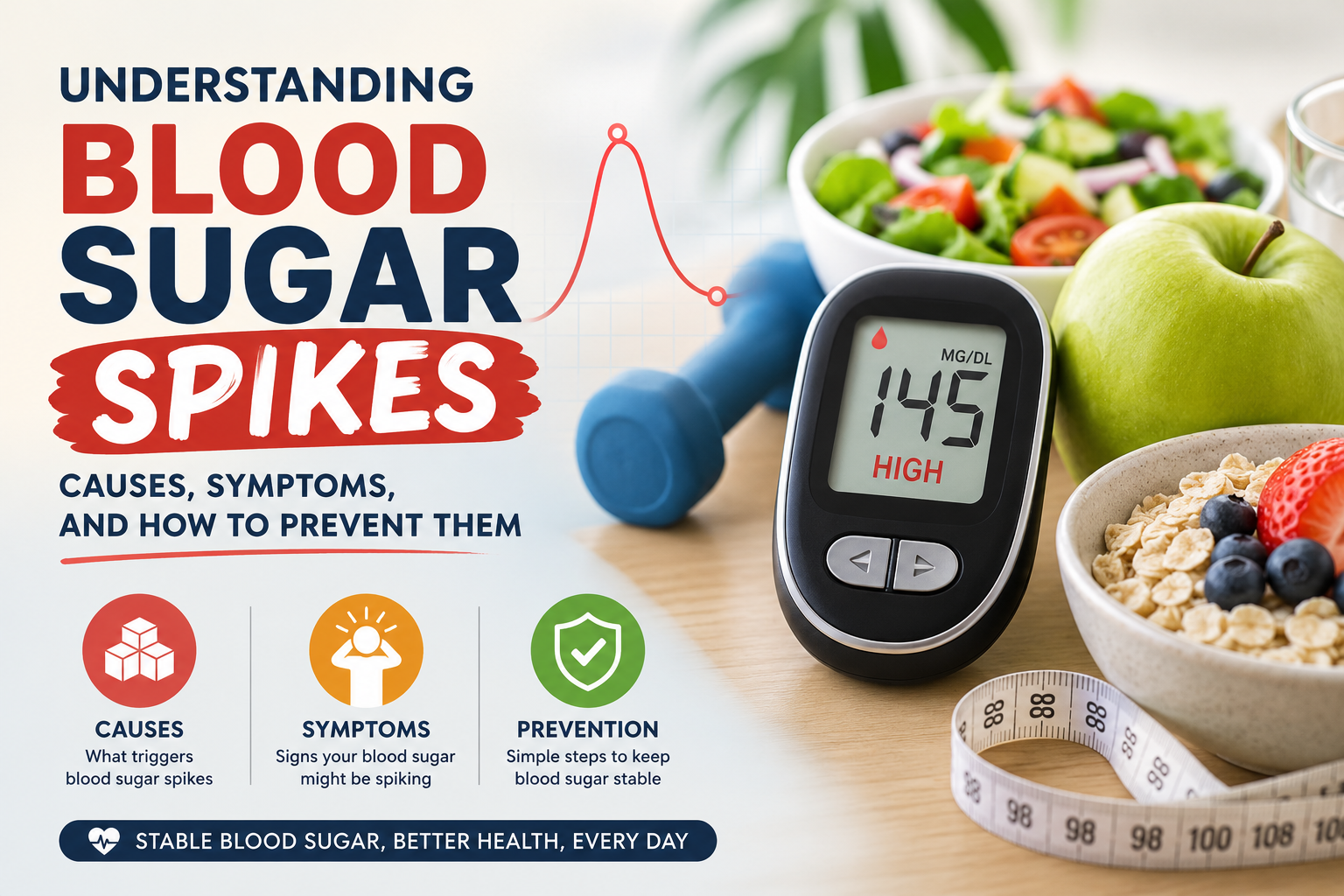
Understanding Blood Sugar Spikes: Causes, Symptoms, and How to Prevent Them

Managing blood sugar levels is one of the most important aspects of diabetes care. While occasional fluctuations are normal, frequent blood sugar spikes can make diabetes management more challenging and may increase the risk of long-term health complications.

Many people living with diabetes experience unexpected rises in glucose levels, even when they believe they are following a healthy routine. Understanding what causes blood sugar spikes and learning how to manage them can help improve glucose control and overall well-being.

What Is a Blood Sugar Spike?

A blood sugar spike, also known as hyperglycemia, occurs when glucose levels rise above the target range. This typically happens after eating, but it can also be triggered by stress, illness, medication changes, or reduced physical activity.

For people with diabetes, repeated spikes can make it more difficult to maintain healthy glucose levels and may affect long-term health outcomes.

Common Causes of Blood Sugar Spikes

Several factors can contribute to sudden increases in blood sugar levels.

High-Carbohydrate Meals

Carbohydrates have the greatest impact on blood glucose levels. Foods such as white bread, sugary drinks, pastries, and processed snacks can cause rapid increases in blood sugar.

Even healthy carbohydrate sources may contribute to spikes if portion sizes are too large.

Lack of Physical Activity

Exercise helps the body use glucose more efficiently. Long periods of inactivity can make it harder for cells to absorb glucose, leading to higher blood sugar levels.

Stress and Anxiety

Physical and emotional stress can trigger the release of hormones such as cortisol and adrenaline. These hormones may increase blood glucose levels, even without changes in diet.

Illness or Infection

When the body is fighting illness, it often releases additional hormones that can raise blood sugar levels. This is why glucose monitoring becomes especially important during periods of sickness.

Medication Factors

Missing diabetes medication doses or taking medications incorrectly can contribute to elevated blood glucose levels.

Some non-diabetes medications may also affect glucose control.

Poor Sleep

Research has shown that inadequate sleep may affect insulin sensitivity and contribute to blood sugar fluctuations.

Signs and Symptoms of Blood Sugar Spikes

Symptoms can vary depending on how high blood glucose levels become.

Common signs include:

  • Increased thirst
  • Frequent urination
  • Fatigue
  • Blurred vision
  • Headaches
  • Difficulty concentrating
  • Dry mouth
  • Increased hunger

Some individuals may not notice symptoms immediately, which is why regular monitoring is important.

Why Blood Sugar Spikes Matter

Occasional spikes happen to everyone. However, frequent or prolonged periods of high blood sugar can increase the risk of diabetes-related complications.

Potential concerns include:

  • Nerve damage
  • Eye complications
  • Kidney disease
  • Cardiovascular issues
  • Reduced energy levels
  • Poor wound healing

Maintaining stable glucose levels can help reduce these risks and improve quality of life.

How to Prevent Blood Sugar Spikes

Choose Balanced Meals

Combining carbohydrates with protein, healthy fats, and fibre can help slow glucose absorption and reduce sudden increases in blood sugar.

Monitor Portion Sizes

Even healthy foods can affect glucose levels when consumed in large quantities. Paying attention to serving sizes can support better glucose management.

Stay Active

Regular physical activity helps improve insulin sensitivity and supports healthy blood sugar control.

Walking after meals can be particularly beneficial for reducing post-meal glucose rises.

Stay Hydrated

Drinking enough water supports overall health and helps the body regulate glucose levels more effectively.

Manage Stress

Relaxation techniques such as meditation, deep breathing, and regular exercise can help reduce stress-related blood sugar fluctuations.

Follow Your Treatment Plan

Taking medications as prescribed and attending regular healthcare appointments are essential for effective diabetes management.

The Role of Continuous Glucose Monitoring

Traditional finger-prick testing provides glucose readings at specific moments in time. While useful, it may not always capture rapid glucose changes throughout the day.

Continuous glucose monitoring (CGM) systems provide real-time glucose data and trend information, helping individuals better understand how food, exercise, stress, and daily habits affect their blood sugar levels.

CGM technology can help identify patterns, reduce unexpected fluctuations, and support more informed diabetes management decisions.

When to Speak with a Healthcare Professional

If blood sugar spikes occur frequently despite following a diabetes management plan, it may be helpful to consult a healthcare professional. They can review medications, lifestyle factors, monitoring data, and treatment strategies to identify potential adjustments.

Final Verdict

Blood sugar spikes are a common part of diabetes management, but understanding their causes can help reduce their impact. By making informed choices about nutrition, physical activity, stress management, and glucose monitoring, individuals can achieve better blood sugar control and improve overall health.

Modern monitoring tools, including continuous glucose monitoring systems, provide valuable insights that can help people with diabetes make more confident decisions and maintain healthier glucose levels throughout the day.

FAQS

  1. What causes blood sugar spikes in people with diabetes?
    Blood sugar spikes can be caused by high-carbohydrate meals, stress, illness, lack of physical activity, poor sleep, or missed medication doses.
  2. What blood sugar level is considered a spike?
    The exact level varies by individual, but glucose readings above your target range may be considered a blood sugar spike.
  3. Can stress increase blood sugar levels?
    Yes. Stress hormones can cause the liver to release more glucose into the bloodstream, leading to higher blood sugar levels.
  4. How can I prevent blood sugar spikes after meals?
    Choose balanced meals, monitor portion sizes, stay active, and track glucose levels regularly to identify patterns.
  5. Can a CGM help identify blood sugar spikes?
    Yes. Continuous glucose monitoring systems provide real-time glucose data and trend information, helping users identify and manage blood sugar fluctuations more effectively.
Share:

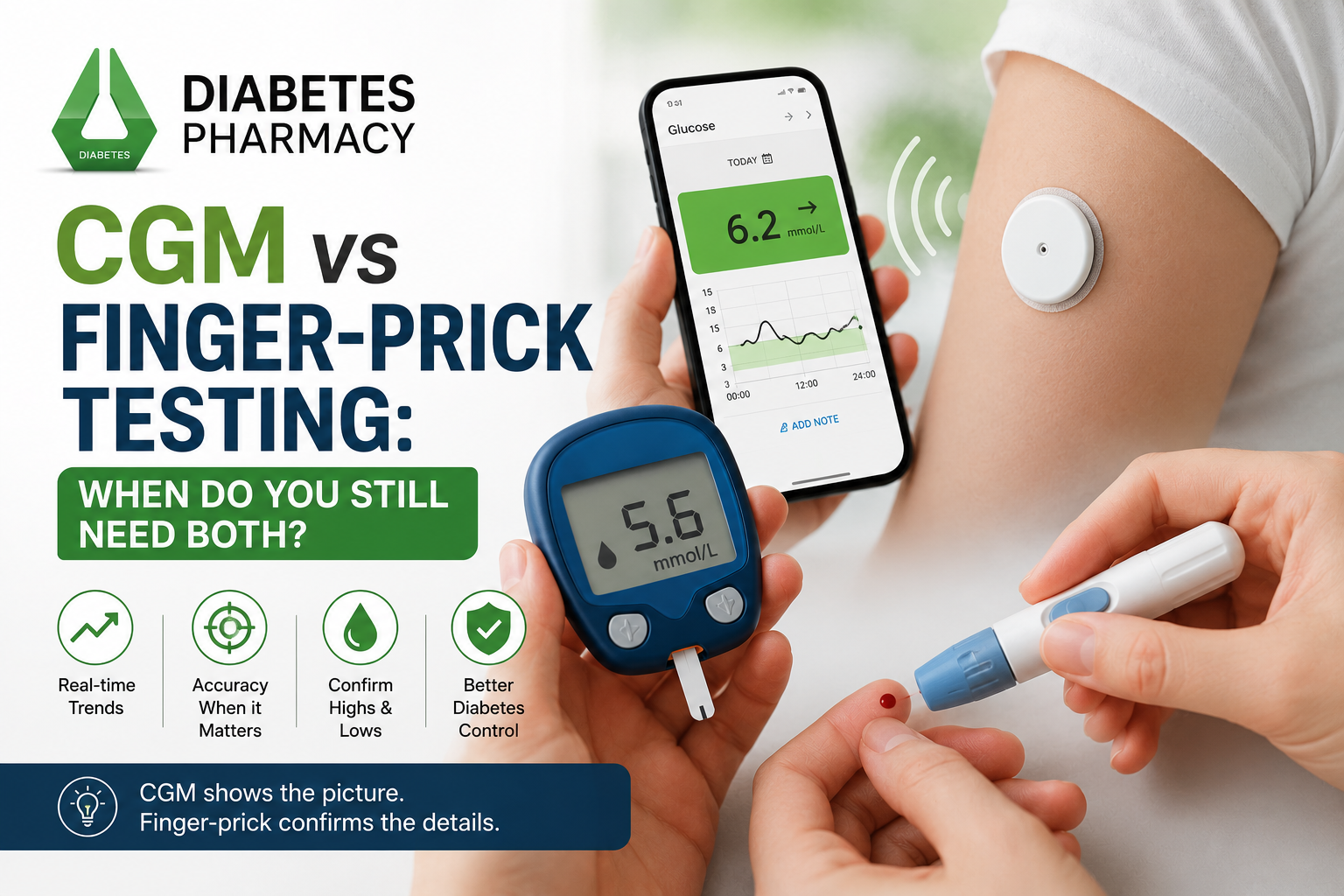
CGM vs Finger-Prick Testing: When Do You Still Need Both?

Continuous glucose monitoring has transformed the way many people manage diabetes. Instead of relying solely on occasional blood glucose checks, modern CGM systems provide a continuous stream of glucose data throughout the day and night.

Devices such as Libre Sensors make it easier to spot glucose trends, understand how food and activity affect blood sugar levels, and receive alerts before glucose levels become too high or too low.

However, despite the growing popularity of CGM technology, finger-prick testing still has an important role to play. The question is no longer whether CGM is better than finger-prick testing, but rather when each method is most useful and why many people still benefit from using both.

Why CGM and Finger-Prick Results Can Differ

One of the most common questions people ask is why their CGM reading sometimes differs from a finger-prick result.

The answer lies in how each technology works.

A finger-prick test measures glucose directly from a blood sample, while a CGM sensor measures glucose levels in the interstitial fluid beneath the skin. Because glucose takes time to move between blood and interstitial fluid, there can be a short delay between the two readings.

This difference is often most noticeable after meals, during exercise, or whenever glucose levels are rising or falling quickly.

That is why healthcare professionals often recommend keeping a blood glucose meter and compatible Test Strips available, even when using a CGM system.

When Do You Still Need Both?

When Symptoms Don’t Match Your Sensor Reading

If your CGM shows a normal reading but you feel symptoms of low or high blood sugar, it may be wise to perform a finger-prick test.

Although systems such as Libre Sensors are highly accurate, there are situations where a direct blood glucose reading can provide additional reassurance.

During Rapid Glucose Changes

CGM technology performs exceptionally well for monitoring trends. However, when glucose levels are changing quickly, sensor readings may briefly lag behind blood glucose levels.

A finger-prick test can help confirm your current glucose level before making treatment decisions.

When Treating Hypoglycaemia

Many people choose to confirm a low glucose alert using a blood glucose meter before treating a suspected hypo, particularly if symptoms are mild or unexpected.

Keeping Test Strips readily available ensures you can perform a quick confirmation check when needed.

As a Backup for Sensor Issues

No technology is perfect.

Sensors can occasionally become dislodged, fail unexpectedly, or require replacement. In these situations, a traditional blood glucose meter remains an important backup.

This is one reason many users of Libre Sensors continue to keep testing supplies available at home and while travelling.

What CGM Does Better

The greatest strength of CGM technology is its ability to show the bigger picture.

Rather than displaying a single reading, CGM systems reveal trends, patterns, and fluctuations throughout the day.

People using Libre Sensors can monitor glucose levels during sleep, exercise, meals, and daily activities without performing multiple finger-prick tests.

This broader perspective can help users identify recurring patterns and make more informed diabetes management decisions.

What Finger-Prick Testing Does Better

Finger-prick testing remains the most direct way to measure blood glucose at a specific moment.

While CGM provides trend information, a blood glucose meter can offer confirmation when:

  • Symptoms and sensor readings do not match
  • Glucose levels are changing rapidly
  • A sensor issue is suspected
  • A healthcare professional recommends confirmation testing

This is why many diabetes management plans continue to include both CGM devices and compatible Test Strips.

Practical Examples

Imagine someone wearing Libre Sensors notices their glucose trend arrow pointing downward before lunch.

Although the reading appears safe, they begin feeling shaky and unwell. A finger-prick test confirms that blood glucose levels have dropped lower than expected, helping them take appropriate action quickly.

In another example, a person receives a low glucose alert while driving preparations are underway. Before making treatment decisions, they use a meter and Test Strips to confirm the result.

In both situations, CGM provides valuable awareness while finger-prick testing offers additional confidence.

Benefits and Considerations

Using both CGM and finger-prick testing creates a more complete monitoring approach.

CGM systems provide:

  • Continuous glucose visibility
  • Trend analysis
  • Alerts and notifications
  • Reduced routine finger-prick testing

Finger-prick testing provides:

  • Direct blood glucose readings
  • Confirmation during critical situations
  • Backup monitoring when sensors are unavailable

For many people, combining Libre Sensors with a supply of compatible Test Strips offers the best balance between convenience and accuracy.

Final Verdict

Continuous glucose monitoring has made diabetes management more convenient and informative than ever before. Devices such as Libre Sensors provide valuable real-time insights that help users understand their glucose patterns throughout the day.

At the same time, traditional blood glucose testing continues to play an important supporting role. Keeping compatible Test Strips available ensures you can verify readings when needed and maintain confidence in your diabetes management decisions.

Rather than viewing CGM and finger-prick testing as competing technologies, it is often more accurate to see them as complementary tools that work together to support safer and more effective glucose monitoring.

FAQS

  1. Do I still need finger-prick tests if I use Libre Sensors?
    Possibly. Although Libre Sensors provide highly detailed glucose information, finger-prick testing may still be useful when symptoms do not match readings or when glucose levels are changing rapidly.
  2. Why does my CGM reading differ from my finger-prick result?
    CGM systems measure glucose in interstitial fluid rather than directly in blood. Because of this, a small delay between readings can occur, particularly during periods of rapid glucose change.
  3. Should I keep Test Strips if I use a CGM?
    Yes. Keeping compatible Test Strips available provides a reliable backup whenever confirmation testing is needed.
  4. Can CGM completely replace finger-prick testing?
    For many routine situations, CGM significantly reduces the need for finger-prick testing. However, most healthcare professionals still recommend maintaining access to a blood glucose meter and Test Strips for specific circumstances.
Share:
Add to cart