Managing diabetes is not a one-time process. As your body, lifestyle, health conditions, and daily routines change, your diabetes management plan may also need adjustments. What worked well six months or even a year ago may not be as effective today.
Regular monitoring and ongoing communication with healthcare professionals are important for maintaining healthy blood glucose levels and reducing the risk of diabetes-related complications. Recognizing the signs that your current diabetes management approach may need updating can help you take action before small challenges become larger concerns.
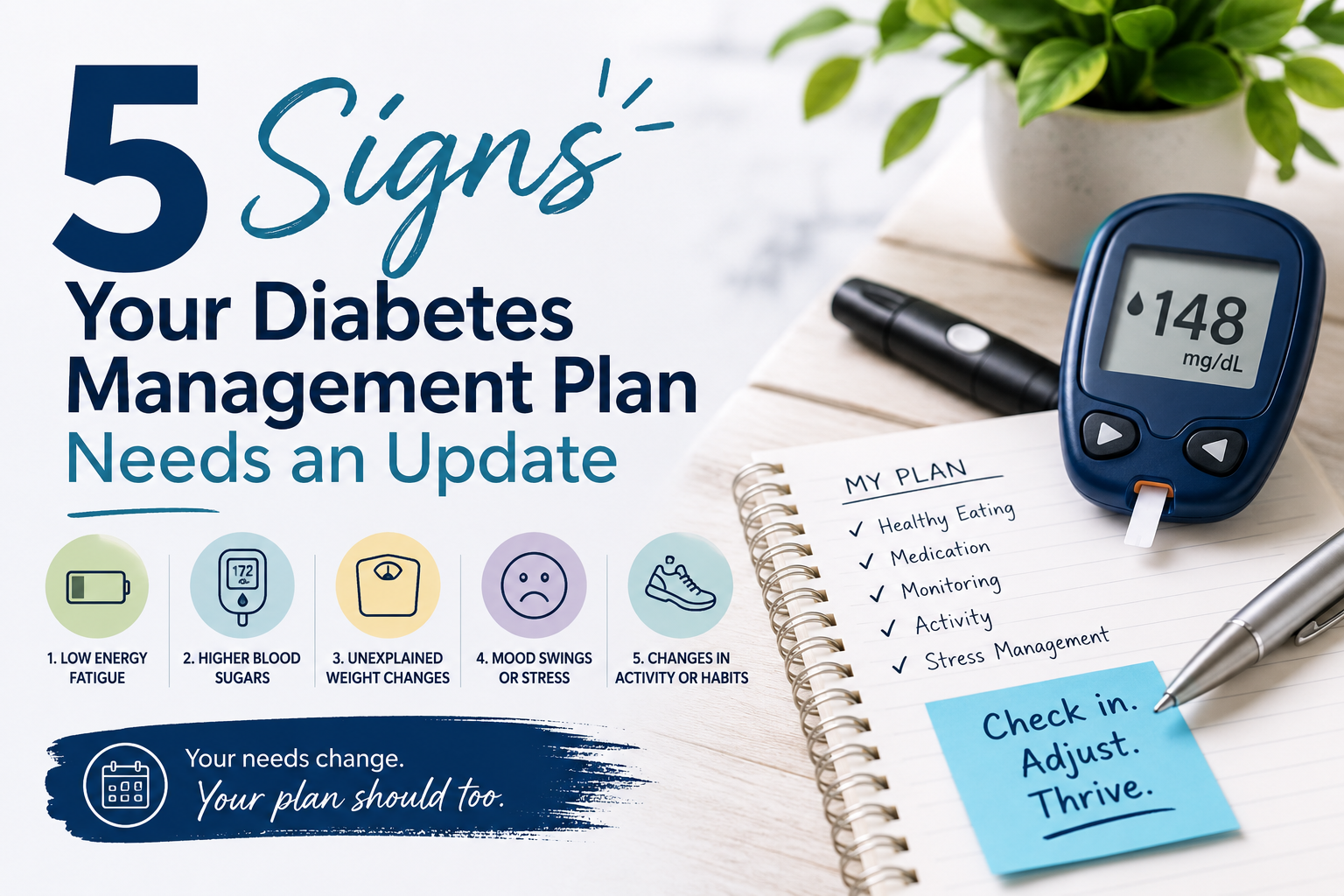
1. Your Blood Sugar Levels Are Frequently Outside Your Target Range
One of the most common indicators that your diabetes management plan may need reviewing is consistently high or low blood glucose readings.
Occasional fluctuations are normal, but frequent readings outside your recommended target range could indicate that adjustments are needed.
Possible causes include:
- Changes in eating habits
- Reduced physical activity
- Stress
- Illness
- Medication effectiveness
- Weight changes
Regular blood glucose monitoring can help identify patterns and provide valuable information for discussions with your healthcare team.
2. You Experience More Frequent High or Low Blood Sugar Episodes
Repeated episodes of hyperglycaemia (high blood sugar) or hypoglycaemia (low blood sugar) should not be ignored.
Symptoms of high blood sugar may include:
- Increased thirst
- Frequent urination
- Fatigue
- Blurred vision
Symptoms of low blood sugar may include:
- Shaking
- Sweating
- Dizziness
- Confusion
- Hunger
Frequent fluctuations can affect your quality of life and may indicate that your current diabetes management strategy requires modification.
3. Your Lifestyle Has Changed
Major lifestyle changes can have a significant impact on blood glucose management.
Examples include:
- Starting a new job
- Changes in physical activity
- Travel
- Dietary changes
- Retirement
- Pregnancy
- Changes in sleep patterns
Even positive lifestyle changes may require adjustments to your monitoring routine, medication schedule, or nutrition plan.
4. You Are Struggling to Understand Your Blood Sugar Patterns
Many people find it difficult to identify why their blood glucose levels fluctuate throughout the day.
Traditional finger-prick testing provides useful information, but it only captures glucose levels at specific moments.
Continuous Glucose Monitoring (CGM) systems can provide a broader picture by showing:
- Real-time glucose readings
- Trend data
- High and low glucose alerts
- Daily glucose patterns
These insights can help individuals make more informed decisions about food, exercise, and diabetes management.
5. You Haven’t Reviewed Your Diabetes Plan Recently
Diabetes management is an ongoing process that benefits from regular review.
Healthcare professionals may recommend periodic assessments of:
- Blood glucose targets
- Medications
- Monitoring methods
- Diet and nutrition
- Physical activity levels
- Overall health goals
Even if your diabetes appears well controlled, routine reviews can help ensure your management plan continues to support your long-term health.
The Importance of Regular Monitoring
Monitoring plays a crucial role in effective diabetes management. Understanding how your blood glucose responds to everyday activities can help you identify patterns and make adjustments when needed.
Modern diabetes management tools, including blood glucose meters and Continuous Glucose Monitoring systems, provide valuable information that supports informed decision-making.
The more data you have about your glucose levels, the easier it becomes to manage diabetes with confidence.
When to Speak with Your Healthcare Team
If you notice any of these warning signs, it may be time to discuss your diabetes management plan with a healthcare professional.
Seek guidance if:
- Blood glucose levels remain consistently high or low
- You experience frequent hypoglycaemia
- Symptoms become more difficult to manage
- Lifestyle changes affect glucose control
- You are unsure how to interpret glucose patterns
Early intervention can help prevent complications and improve long-term outcomes.
The ability to track glucose trends in real time, identify fluctuations quickly, and access detailed data has made CGM an increasingly popular option for people seeking greater control over their diabetes management.
Supporting Better Diabetes Management
Successful diabetes management involves a combination of monitoring, healthy lifestyle habits, medication adherence, and regular healthcare support.
At Diabetes Pharmacy, we understand that every diabetes journey is unique. Access to reliable diabetes products, monitoring solutions, and educational resources can help individuals feel more confident in managing their condition and maintaining healthier glucose levels.
Final Verdict
Diabetes management needs can change over time, making regular reviews essential for long-term success. If your blood glucose levels are becoming harder to manage, you’re experiencing more frequent fluctuations, or your lifestyle has changed significantly, it may be time to reassess your current approach.
By staying proactive and using the right monitoring tools, you can gain valuable insights into your diabetes and continue working toward better health and wellbeing.
FAQS
1. How do I know if my diabetes management plan needs updating?
Your diabetes management plan may need reviewing if your blood sugar levels are consistently outside your target range, you experience frequent highs or lows, your lifestyle has changed, or you’re finding it difficult to manage your diabetes effectively. Regular check-ups with your healthcare team can help determine if adjustments are needed.
2. How often should a diabetes management plan be reviewed?
The frequency of reviews depends on your individual needs, but many healthcare professionals recommend reviewing your diabetes management plan at least once or twice a year, or sooner if your health, medication, or lifestyle changes significantly.
3. What causes blood sugar levels to become harder to control?
Several factors can affect blood glucose control, including changes in diet, physical activity, stress, illness, medications, weight, sleep patterns, and hormonal changes. Identifying these factors can help improve diabetes management.
4. Can lifestyle changes affect diabetes management?
Yes. Changes such as starting a new job, travelling, exercising more or less, changing your diet, pregnancy, retirement, or altered sleep routines can all impact blood glucose levels and may require adjustments to your diabetes care plan.
5. What are the benefits of Continuous Glucose Monitoring (CGM)?
Continuous Glucose Monitoring (CGM) provides real-time glucose readings, trend data, and alerts for high and low blood sugar levels. This information can help you better understand how food, exercise, medication, and daily activities affect your glucose levels.