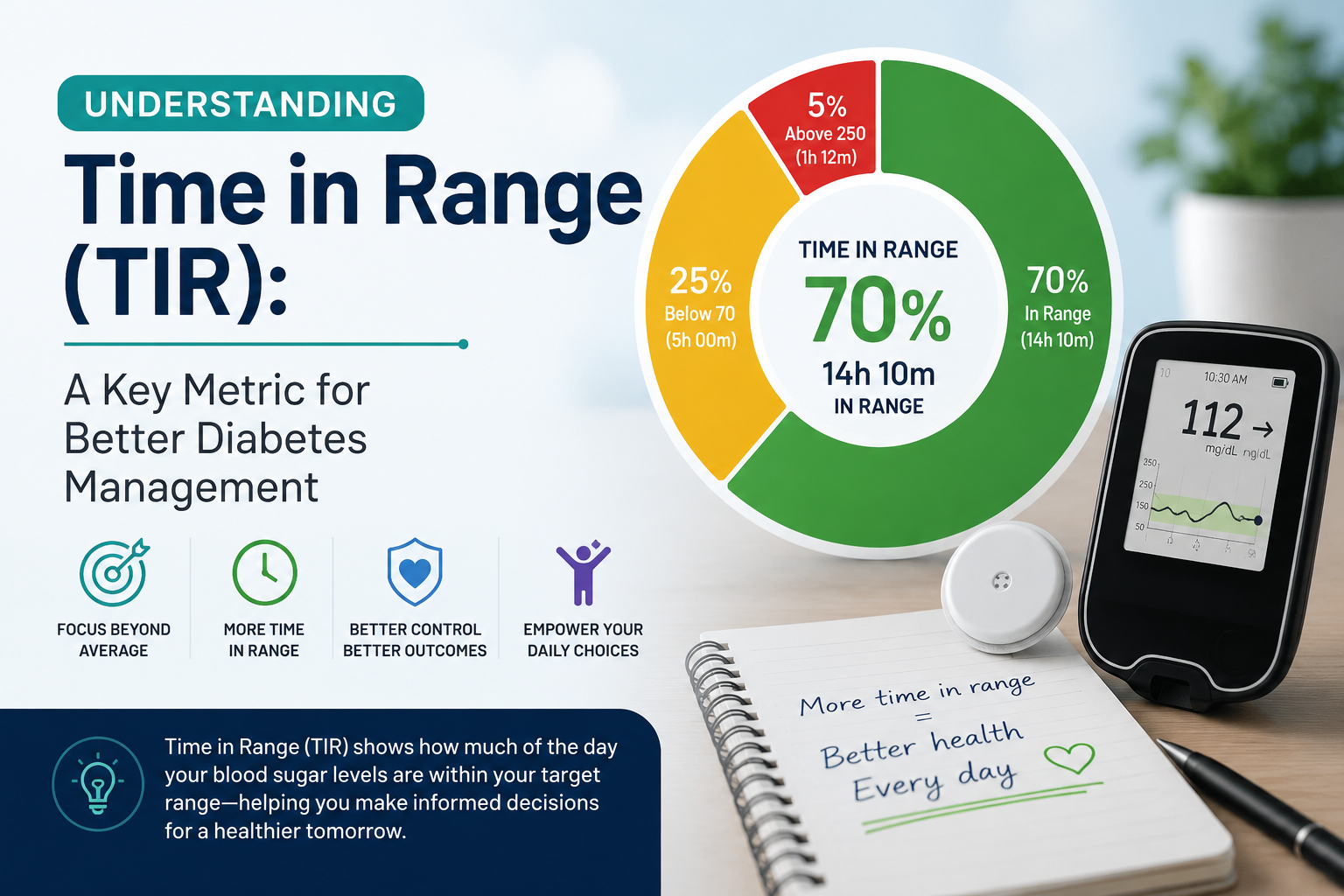
Continuous glucose monitoring has transformed the way many people manage diabetes. Instead of relying solely on occasional blood glucose checks, modern CGM systems provide a continuous stream of glucose data throughout the day and night.
Devices such as Libre Sensors make it easier to spot glucose trends, understand how food and activity affect blood sugar levels, and receive alerts before glucose levels become too high or too low.
However, despite the growing popularity of CGM technology, finger-prick testing still has an important role to play. The question is no longer whether CGM is better than finger-prick testing, but rather when each method is most useful and why many people still benefit from using both.
Why CGM and Finger-Prick Results Can Differ
One of the most common questions people ask is why their CGM reading sometimes differs from a finger-prick result.
The answer lies in how each technology works.
A finger-prick test measures glucose directly from a blood sample, while a CGM sensor measures glucose levels in the interstitial fluid beneath the skin. Because glucose takes time to move between blood and interstitial fluid, there can be a short delay between the two readings.
This difference is often most noticeable after meals, during exercise, or whenever glucose levels are rising or falling quickly.
That is why healthcare professionals often recommend keeping a blood glucose meter and compatible Test Strips available, even when using a CGM system.
When Do You Still Need Both?
When Symptoms Don’t Match Your Sensor Reading
If your CGM shows a normal reading but you feel symptoms of low or high blood sugar, it may be wise to perform a finger-prick test.
Although systems such as Libre Sensors are highly accurate, there are situations where a direct blood glucose reading can provide additional reassurance.
During Rapid Glucose Changes
CGM technology performs exceptionally well for monitoring trends. However, when glucose levels are changing quickly, sensor readings may briefly lag behind blood glucose levels.
A finger-prick test can help confirm your current glucose level before making treatment decisions.
When Treating Hypoglycaemia
Many people choose to confirm a low glucose alert using a blood glucose meter before treating a suspected hypo, particularly if symptoms are mild or unexpected.
Keeping Test Strips readily available ensures you can perform a quick confirmation check when needed.
As a Backup for Sensor Issues
No technology is perfect.
Sensors can occasionally become dislodged, fail unexpectedly, or require replacement. In these situations, a traditional blood glucose meter remains an important backup.
This is one reason many users of Libre Sensors continue to keep testing supplies available at home and while travelling.
What CGM Does Better
The greatest strength of CGM technology is its ability to show the bigger picture.
Rather than displaying a single reading, CGM systems reveal trends, patterns, and fluctuations throughout the day.
People using Libre Sensors can monitor glucose levels during sleep, exercise, meals, and daily activities without performing multiple finger-prick tests.
This broader perspective can help users identify recurring patterns and make more informed diabetes management decisions.
What Finger-Prick Testing Does Better
Finger-prick testing remains the most direct way to measure blood glucose at a specific moment.
While CGM provides trend information, a blood glucose meter can offer confirmation when:
- Symptoms and sensor readings do not match
- Glucose levels are changing rapidly
- A sensor issue is suspected
- A healthcare professional recommends confirmation testing
This is why many diabetes management plans continue to include both CGM devices and compatible Test Strips.
Practical Examples
Imagine someone wearing Libre Sensors notices their glucose trend arrow pointing downward before lunch.
Although the reading appears safe, they begin feeling shaky and unwell. A finger-prick test confirms that blood glucose levels have dropped lower than expected, helping them take appropriate action quickly.
In another example, a person receives a low glucose alert while driving preparations are underway. Before making treatment decisions, they use a meter and Test Strips to confirm the result.
In both situations, CGM provides valuable awareness while finger-prick testing offers additional confidence.
Benefits and Considerations
Using both CGM and finger-prick testing creates a more complete monitoring approach.
CGM systems provide:
- Continuous glucose visibility
- Trend analysis
- Alerts and notifications
- Reduced routine finger-prick testing
Finger-prick testing provides:
- Direct blood glucose readings
- Confirmation during critical situations
- Backup monitoring when sensors are unavailable
For many people, combining Libre Sensors with a supply of compatible Test Strips offers the best balance between convenience and accuracy.
Final Verdict
Continuous glucose monitoring has made diabetes management more convenient and informative than ever before. Devices such as Libre Sensors provide valuable real-time insights that help users understand their glucose patterns throughout the day.
At the same time, traditional blood glucose testing continues to play an important supporting role. Keeping compatible Test Strips available ensures you can verify readings when needed and maintain confidence in your diabetes management decisions.
Rather than viewing CGM and finger-prick testing as competing technologies, it is often more accurate to see them as complementary tools that work together to support safer and more effective glucose monitoring.
FAQS
- Do I still need finger-prick tests if I use Libre Sensors?
Possibly. Although Libre Sensors provide highly detailed glucose information, finger-prick testing may still be useful when symptoms do not match readings or when glucose levels are changing rapidly. - Why does my CGM reading differ from my finger-prick result?
CGM systems measure glucose in interstitial fluid rather than directly in blood. Because of this, a small delay between readings can occur, particularly during periods of rapid glucose change. - Should I keep Test Strips if I use a CGM?
Yes. Keeping compatible Test Strips available provides a reliable backup whenever confirmation testing is needed. - Can CGM completely replace finger-prick testing?
For many routine situations, CGM significantly reduces the need for finger-prick testing. However, most healthcare professionals still recommend maintaining access to a blood glucose meter and Test Strips for specific circumstances.