If you’ve recently been diagnosed with diabetes, one of the first skills you’ll need to learn is how to monitor your blood sugar effectively. While testing glucose levels may seem confusing at first, it quickly becomes an important part of managing your health and understanding how your body responds to food, activity, medication, stress, and daily routines.
Regular blood sugar monitoring helps you make informed decisions about your diabetes management. It can reveal patterns, identify potential problems before they become serious, and help you work with your healthcare team to maintain healthy glucose levels.
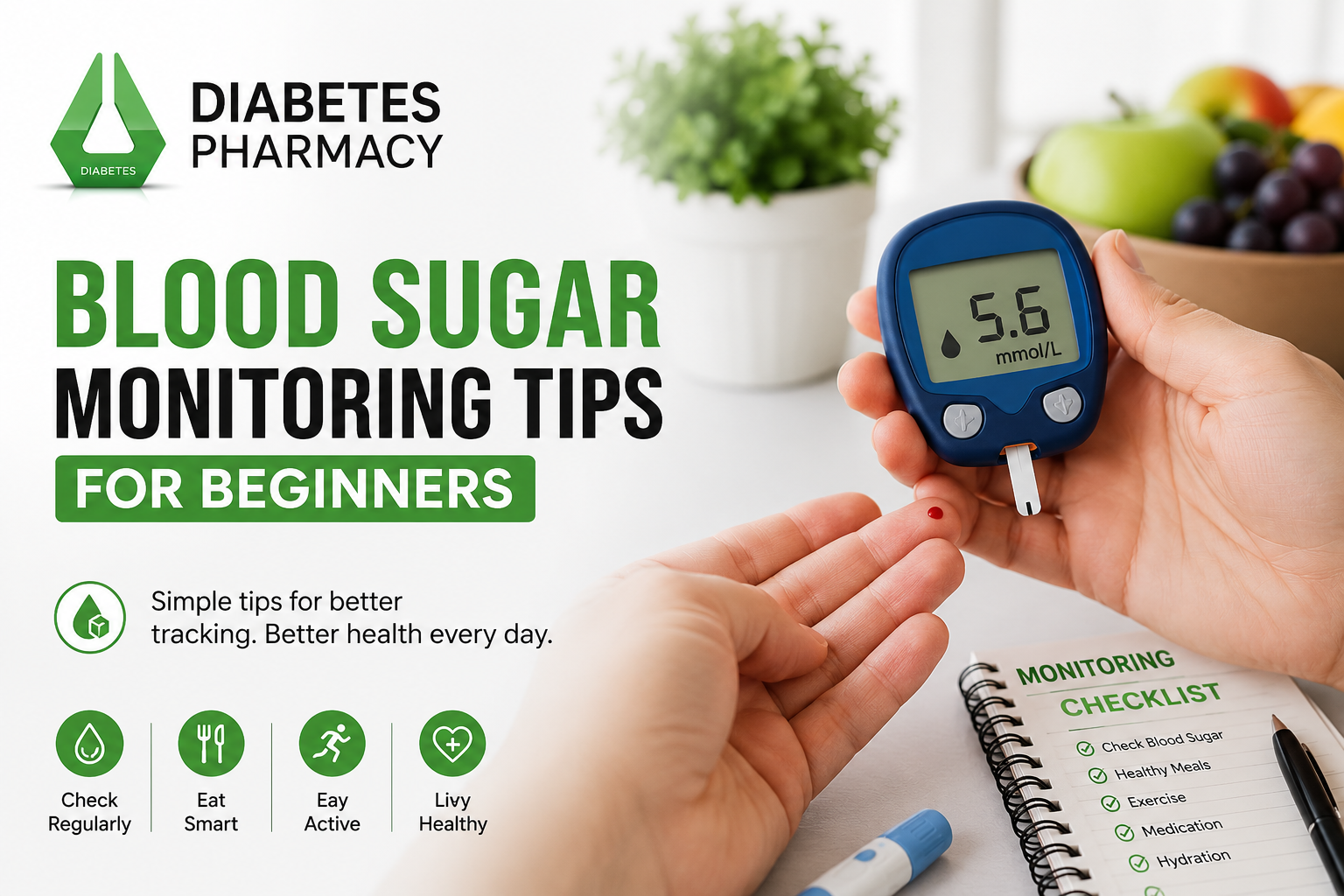
Whether you’re using a traditional finger-prick glucose meter or a Continuous Glucose Monitor (CGM), understanding the basics can help you gain confidence and improve your diabetes management.
Why Monitoring Blood Sugar Matters
Blood glucose monitoring provides real-time information about your diabetes control.
Regular monitoring can help you:
- Understand how meals affect glucose levels
- See the impact of exercise
- Evaluate medication effectiveness
- Detect high or low blood sugar early
- Improve long-term diabetes management
- Reduce the risk of diabetes-related complications
Without monitoring, it can be difficult to know whether your treatment plan is working effectively.
Understanding Your Blood Sugar Readings
Many beginners focus on individual numbers, but the real value comes from understanding trends.
Many adults with diabetes are commonly advised to aim for:
Testing Time | Typical Target Range |
Before Meals | 4.4–7.2 mmol/L (80–130 mg/dL) |
1–2 Hours After Meals | Below 10.0 mmol/L (180 mg/dL) |
Your personal targets may differ depending on your age, diabetes type, medications, and overall health.
Always follow the guidance provided by your diabetes care team.
Choose the Right Blood Sugar Monitoring Method
1. Traditional Blood Glucose Meters
Blood glucose meters require:
- A small finger-prick blood sample
- Test strips
- A glucose meter
They provide an instant glucose reading and remain a reliable option for many people managing diabetes.
2. Continuous Glucose Monitoring (CGM)
CGMs use a small wearable sensor that continuously measures glucose levels throughout the day and night.
CGMs provide:
- Real-time glucose readings
- Trend arrows showing rising or falling glucose
- High and low glucose alerts
- Detailed glucose reports
- Reduced finger-prick testing
Modern CGM systems allow users to understand glucose patterns more effectively than occasional finger-prick tests. CGMs continuously track glucose levels and help users identify trends and respond more quickly to changes.
Wash Your Hands Before Testing
This simple step is often overlooked.
Food residue, lotions, or dirt on your fingers can affect blood sugar readings and lead to inaccurate results.
Before testing:
- Wash hands thoroughly with soap and water.
- Dry hands completely.
- Perform the glucose test.
Accurate readings start with proper testing technique.
Test at Consistent Times
Testing at random times can make glucose data difficult to interpret.
Your healthcare provider may recommend testing:
- Before meals
- After meals
- Before bedtime
- Before exercise
- After exercise
- During illness
- When experiencing symptoms of low blood sugar
Consistency makes it easier to identify patterns and make adjustments.
Learn How Food Affects Your Glucose Levels
One of the biggest benefits of blood sugar monitoring is understanding how different foods impact your body.
Consider monitoring:
- Before meals
- One to two hours after meals
You may discover that certain foods cause larger glucose spikes than expected.
Common factors that influence blood sugar include:
- Portion sizes
- Carbohydrate intake
- Fibre content
- Protein consumption
- Meal timing
Over time, monitoring helps you make more informed food choices.
Focus on Trends Rather Than Single Readings
Every person with diabetes experiences occasional high or low readings.
A single result rarely tells the complete story.
Glucose levels can fluctuate due to:
- Food choices
- Physical activity
- Stress
- Sleep quality
- Illness
- Medication timing
Instead of worrying about one reading, focus on overall patterns across days and weeks.
Understand the Symptoms of High and Low Blood Sugar
Monitoring devices are valuable, but recognising symptoms is equally important.
Symptoms of High Blood Sugar (Hyperglycaemia)
You may experience:
- Increased thirst
- Frequent urination
- Fatigue
- Blurred vision
- Headaches
Symptoms of Low Blood Sugar (Hypoglycaemia)
Common symptoms include:
- Shaking
- Sweating
- Hunger
- Dizziness
- Confusion
- Rapid heartbeat
If symptoms occur, check your blood sugar and follow your healthcare provider’s recommendations.
Use Technology to Make Monitoring Easier
Modern diabetes technology has transformed glucose monitoring.
CGM systems such as FreeStyle Libre and Dexcom allow users to view glucose levels in real time, track trends, and receive alerts when glucose moves outside target ranges.
Benefits of CGM technology include:
- Better awareness of glucose fluctuations
- Reduced finger-prick testing
- Improved understanding of glucose trends
- Real-time alerts for highs and lows
- Easier sharing of data with healthcare professionals
The NHS notes that CGMs allow people with diabetes to check glucose levels at any time and identify patterns that support better diabetes management.
How CGMs Help Beginners Learn Faster
For people new to diabetes management, CGMs provide a clearer picture of how daily choices affect glucose levels.
CGMs can:
- Show glucose changes every few minutes
- Reveal overnight trends
- Identify hidden highs and lows
- Help users understand food responses
- Support more confident decision-making
Research and clinical guidance show that continuous glucose monitoring can improve glucose management and provide more actionable information than isolated finger-prick tests alone.
Finding the Right Monitoring Device
The best monitoring device depends on your lifestyle, treatment plan, and healthcare needs.
Popular options include:
- FreeStyle Libre systems
- Dexcom CGM systems
- Traditional blood glucose meters
Each offers different features, sensor wear times, and alert capabilities.
Why Shop with Diabetes Pharmacy UK?
At Diabetes Pharmacy UK, we provide a wide range of diabetes management products, including Continuous Glucose Monitoring systems, glucose sensors, diabetes accessories, and monitoring solutions designed to help people manage diabetes with confidence.
Whether you’re just starting your diabetes journey or looking to upgrade to a CGM system, our range of products helps support better glucose management and everyday convenience.
Conclusion
Blood sugar monitoring is one of the most powerful tools for managing diabetes. By testing consistently, understanding your readings, identifying trends, and using modern monitoring technology when appropriate, you can make more informed decisions about your health.
For beginners, the key is not perfection but consistency. The more you learn about your glucose patterns, the better equipped you’ll be to manage diabetes confidently and effectively.
Frequently Asked Questions
- How often should beginners check their blood sugar?
The frequency depends on your diabetes type, medications, and healthcare provider’s recommendations. Some people test multiple times per day, while others may monitor less frequently. - What is the best blood sugar monitor for beginners?
Many beginners find CGM systems such as FreeStyle Libre and Dexcom helpful because they provide continuous glucose data and trend information. - What is a normal blood sugar level?
Target ranges vary, but many adults with diabetes aim for 4.4–7.2 mmol/L before meals and below 10 mmol/L after meals. - Do CGMs replace finger-prick testing completely?
Many modern CGMs significantly reduce the need for finger-prick testing, although occasional confirmation checks may still be recommended in some situations. - Why does my blood sugar change throughout the day?
Food, exercise, stress, medication, illness, sleep, and hormonal changes can all affect blood glucose levels. - Can blood sugar monitoring improve diabetes control?
Yes. Regular monitoring helps identify patterns, supports treatment decisions, and enables faster responses to high or low glucose levels.