Managing diabetes has changed significantly over the past decade. What once relied heavily on manual blood glucose checks, paper records, and fixed treatment schedules is now supported by innovative technologies that help people make informed decisions about their health in real time.
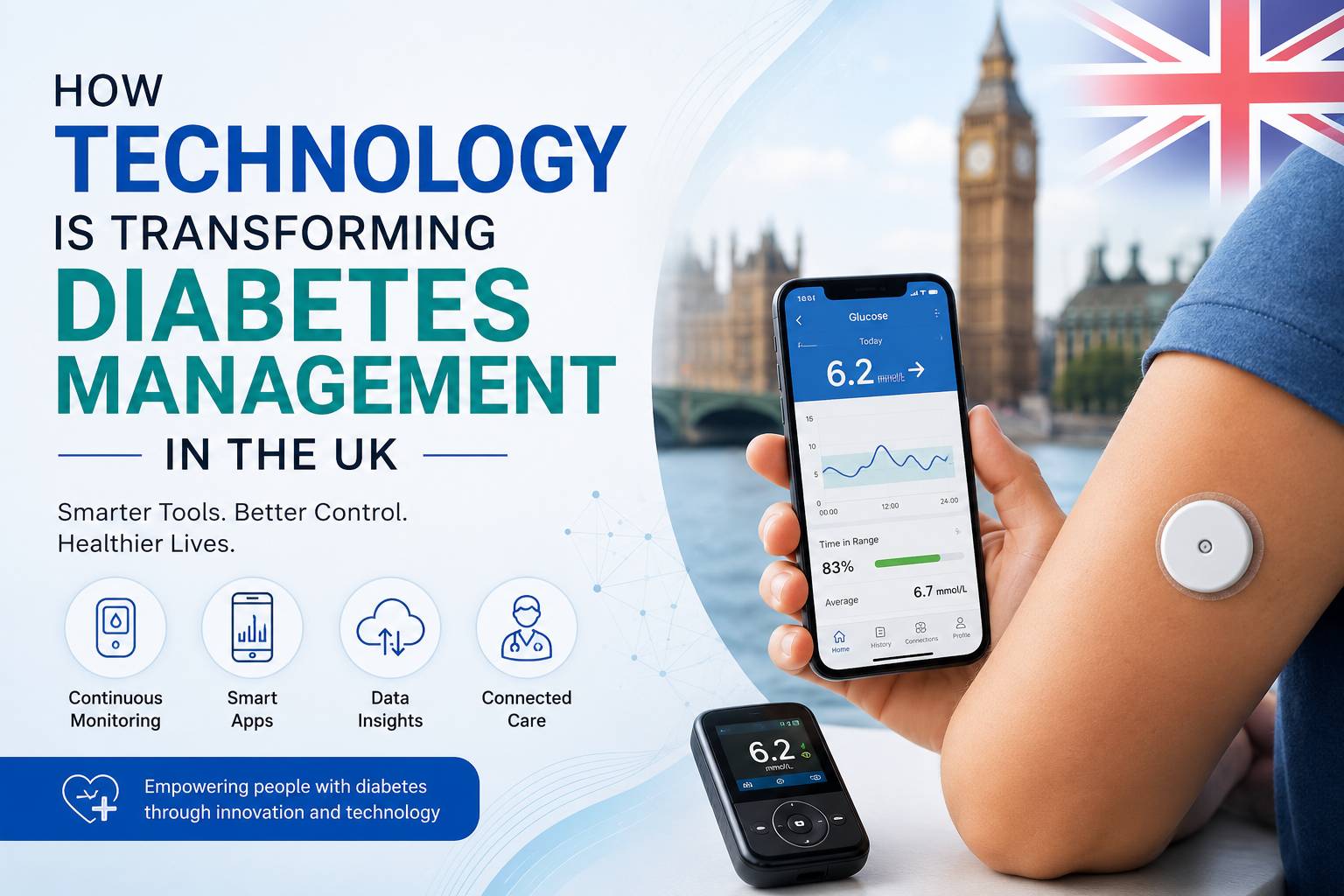
From continuous glucose monitoring systems and smart insulin pens to mobile health applications and connected devices, technology is reshaping how diabetes is managed across the UK. These advancements are helping people improve blood glucose control, reduce complications, and gain greater confidence in their daily diabetes management routines.
As the prevalence of diabetes continues to rise, technology is playing an increasingly important role in supporting both patients and healthcare professionals.
The Growing Impact of Diabetes in the UK
Diabetes remains one of the most common long-term health conditions in the United Kingdom. Millions of people live with Type 1 diabetes or Type 2 diabetes, while many others are at risk of developing the condition.
Effective diabetes management requires consistent monitoring, medication adherence, lifestyle adjustments, and ongoing communication with healthcare providers. Technology is helping simplify many of these responsibilities by providing users with real-time health insights and automated support tools.
Continuous Glucose Monitoring (CGM)
One of the most significant innovations in diabetes care is Continuous Glucose Monitoring (CGM).
Unlike traditional finger-prick testing, CGM devices continuously measure glucose levels throughout the day and night. Users can view real-time readings, identify glucose trends, and receive alerts when blood sugar levels become too high or too low.
Benefits of CGM technology include:
- Real-time glucose monitoring
- Improved diabetes control
- Reduced risk of hypoglycaemia
- Better understanding of glucose patterns
- Enhanced confidence in daily diabetes management
CGM systems are becoming increasingly accessible to people living with diabetes across the UK.
Smart Insulin Pens and Connected Devices
Modern insulin pens are evolving beyond simple injection devices.
Smart insulin pens can record dosing information, track injection history, and connect with mobile applications to support insulin management. These devices help reduce missed doses and improve treatment accuracy.
Features often include:
- Dose tracking
- Injection reminders
- Data sharing capabilities
- Integration with diabetes management apps
- Improved medication adherence
For many individuals, smart insulin technology offers greater convenience and confidence in insulin administration.
Mobile Apps for Diabetes Management
Digital health applications are becoming valuable tools for people managing diabetes.
Many diabetes apps allow users to:
- Track blood glucose readings
- Monitor carbohydrate intake
- Record physical activity
- Manage medication schedules
- Generate health reports
These applications provide users with a clearer picture of how daily habits influence blood glucose levels and overall health outcomes.
Healthcare professionals can also use shared data to make more informed treatment decisions.
Remote Monitoring and Virtual Care
Technology has made diabetes support more accessible than ever before.
Remote monitoring solutions enable healthcare teams to review patient data without requiring frequent in-person appointments. This approach allows for more proactive care and timely intervention when issues arise.
Virtual consultations have also become increasingly popular across the UK, providing convenient access to healthcare professionals while reducing travel and waiting times.
For individuals living in rural areas or managing busy schedules, remote healthcare services offer valuable flexibility.
The Role of Data in Diabetes Care
One of the greatest advantages of modern diabetes technology is access to actionable health data.
Connected devices generate valuable insights that help users understand:
- Glucose trends
- Medication effectiveness
- Dietary impacts
- Physical activity patterns
- Long-term health progress
This information empowers individuals to make informed decisions and take a more active role in managing their condition.
Data-driven diabetes care is helping many people achieve better outcomes while reducing the risk of complications.
The Future of Diabetes Management
Emerging technologies such as artificial intelligence, predictive analytics, and automated insulin delivery systems are expected to further improve diabetes care.
Researchers continue to explore innovations that can simplify monitoring, enhance treatment accuracy, and reduce the daily burden of managing diabetes.
As these technologies become more widely available, people living with diabetes may benefit from even greater convenience, personalization, and support.
Final Verdict
Technology is transforming diabetes management throughout the UK by providing people with better tools for monitoring, treatment, and decision-making. Continuous glucose monitors, smart insulin pens, mobile applications, and remote healthcare services are helping individuals take greater control of their condition and improve their quality of life.
While no technology can replace a comprehensive diabetes care plan, these innovations are making day-to-day management more accessible, efficient, and effective for people across the country.
FAQS
- How does technology help manage diabetes?
Technology helps people monitor blood glucose levels, track insulin usage, manage medications, and gain real-time health insights for better diabetes control. - What is a continuous glucose monitor (CGM)?
A CGM is a device that continuously measures glucose levels throughout the day and provides real-time readings and alerts.
- Are smart insulin pens available in the UK?
Yes, several smart insulin pens and connected insulin management solutions are available to support diabetes care in the UK. - Can diabetes apps replace medical advice?
No. Diabetes apps are useful management tools but should be used alongside guidance from qualified healthcare professionals. - What is the future of diabetes technology?
Advances in artificial intelligence, connected devices, automated insulin delivery, and predictive analytics are expected to further improve diabetes management and patient outcomes.