When people hear the word diabetes, most assume there are only two types—Type 1 and Type 2. While these are the most common, the reality is that diabetes is a broader condition with multiple forms, each with different causes, symptoms, and management approaches.
Understanding the how many types of diabetes are there question is important, especially for beginners who want to learn how this condition affects the body and how it can be managed effectively.
If you are exploring diabetes management tools or planning to buy FreeStyle Libre sensors in the UK at an affordable price, having a clear understanding of the different types will help you make better decisions.
How Many Types of Diabetes Are There?
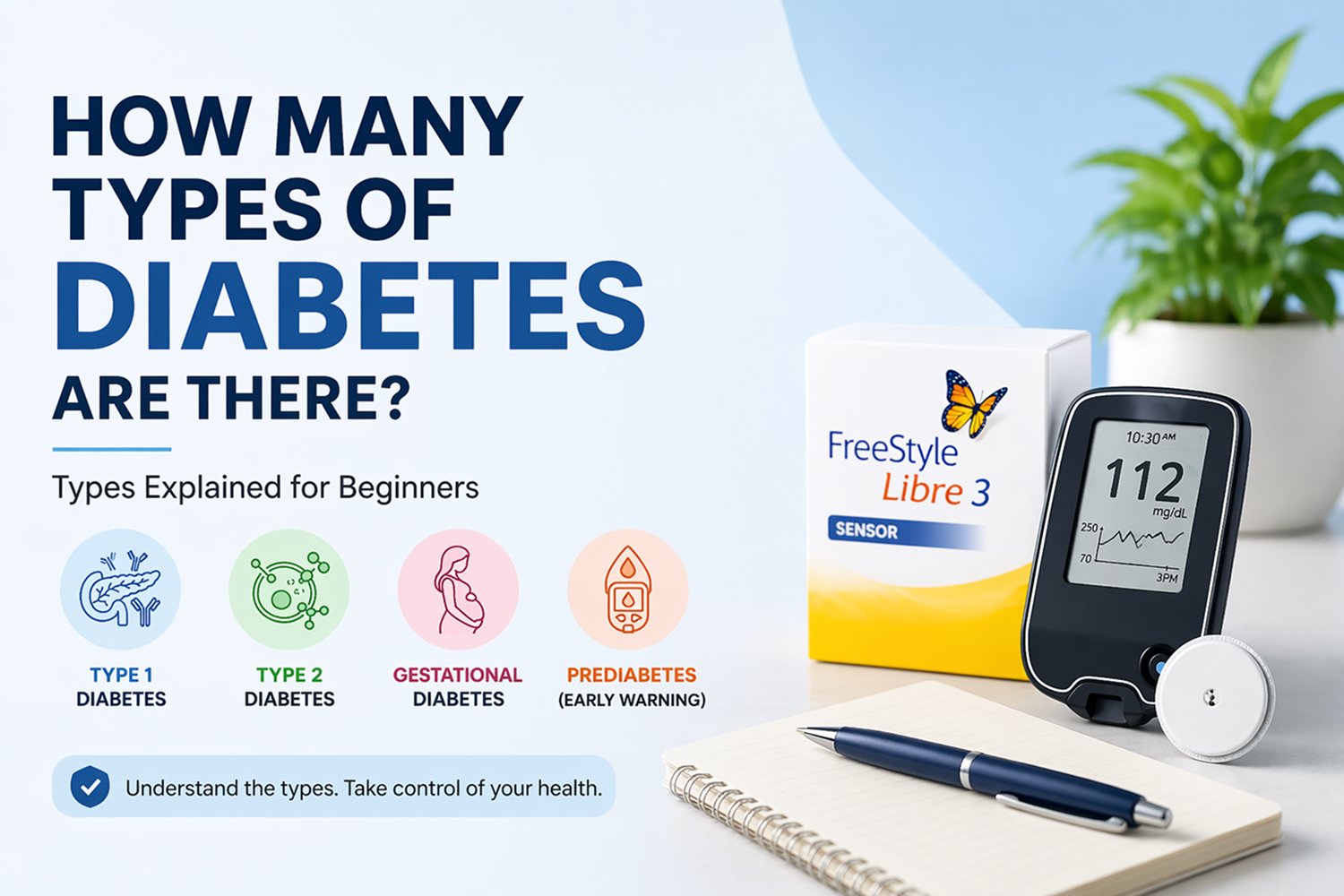
The simple answer is that there are four main types of diabetes, along with a few rare forms.
The primary types of diabetes include:
- Type 1 Diabetes
- Type 2 Diabetes
- Gestational Diabetes
- Prediabetes
In addition to these, there are less common forms such as genetic or condition-related diabetes. Each type differs in how it develops and how it is managed.
Overview of All Diabetes Types
Before diving into each type in detail, it’s helpful to understand the broader classification of diabetes types.
These conditions all involve problems with how the body processes glucose, but the underlying causes vary.
Main Diabetes Types:
- Type 1 Diabetes → Autoimmune condition
- Type 2 Diabetes → Insulin resistance
- Gestational Diabetes → Occurs during pregnancy
- Prediabetes → Early warning stage
Understanding these categories helps you identify how diabetes develops and progresses.
Type 1 Diabetes Explained
Type 1 diabetes is an autoimmune condition where the body’s immune system attacks the cells in the pancreas that produce insulin.
This means the body cannot produce insulin, which is essential for regulating blood sugar levels. As a result, people with Type 1 diabetes require insulin therapy for life.
This type is often diagnosed in children or young adults, but it can occur at any age.
Because insulin production is completely absent, regular monitoring is essential. Many users prefer to buy FreeStyle Libre sensors online in the UK for continuous tracking and better control.
Type 2 Diabetes Explained
Type 2 diabetes is the most common form of diabetes. It occurs when the body becomes resistant to insulin or does not produce enough insulin to maintain normal glucose levels.
This type is often linked to lifestyle factors such as diet, physical activity, and weight, although genetics also play a role.
Unlike Type 1, Type 2 diabetes can often be managed through lifestyle changes, medication, and regular monitoring.
For effective management, users can buy FreeStyle Libre 3 CGM sensor UK to track glucose levels in real time.
Gestational Diabetes Explained
Gestational diabetes occurs during pregnancy and affects how the body processes glucose.
It usually develops in the second or third trimester and often disappears after childbirth. However, it increases the risk of developing Type 2 diabetes later in life.
Managing glucose levels during pregnancy is crucial for both the mother and the baby. Monitoring plays an important role in maintaining safe glucose levels throughout this period.
Prediabetes Explained
Prediabetes is an early stage where blood sugar levels are higher than normal but not high enough to be classified as Type 2 diabetes.
This stage is often considered a warning sign, as it indicates a higher risk of developing diabetes in the future.
The good news is that prediabetes can often be reversed through lifestyle changes such as improved diet, regular exercise, and weight management.
Early detection and monitoring can make a significant difference in preventing progression.
Other Rare Types of Diabetes
In addition to the main types, there are some less common forms of different types of diabetes that are worth understanding.
These include genetic and condition-related types that affect a smaller number of people.
Rare Types:
- MODY (Maturity Onset Diabetes of the Young)
- LADA (Latent Autoimmune Diabetes in Adults)
- Secondary diabetes (caused by other medical conditions)
Although rare, these types require specialised diagnosis and treatment.
Key Differences Between Diabetes Types
Understanding the difference between type 1 and type 2 diabetes and other types helps you better manage the condition.
Key Differences:
- Cause: Autoimmune vs insulin resistance
- Age of onset: Early vs later in life
- Insulin dependency: Required vs sometimes avoidable
- Management: Insulin vs lifestyle + medication
Each type requires a different approach to treatment and monitoring.
Why Understanding Diabetes Types Matters
Knowing the types of diabetes is not just about awareness—it directly impacts how the condition is managed.
Each type has different risks, treatment plans, and long-term outcomes. Understanding your specific type helps you take the right steps toward better health.
It also helps you work more effectively with healthcare professionals and choose the right monitoring tools.
The Role of Glucose Monitoring in All Types
Regardless of the type, monitoring blood sugar levels is essential for effective diabetes management.
The continuous glucose monitoring system provides real-time insights that help users track patterns and make informed decisions.
Compared to traditional methods, CGM systems offer greater convenience and accuracy, making them a preferred choice for many users.
Options like FreeStyle Libre 3 Plus at a low price in the UK provide advanced monitoring features for better control.
Where to Buy Diabetes Monitoring Devices in the UK
If you are looking to buy FreeStyle Libre online in the UK, choosing a reliable supplier is essential. You can explore options through the FreeStyle Libre official online pharmacy in the UK for genuine products and competitive pricing.
To learn more, visit the About Diabetes Pharmacy UK page. If you need assistance, you can contact the diabetes pharmacy support team.
You can also explore helpful guides in the diabetes blogs and tips UK section.
Conclusion
So, how many types of diabetes are there? While most people focus on Type 1 and Type 2, there are actually several types, each with its own characteristics and management needs.
Understanding these differences helps you make better decisions about your health and choose the right tools for monitoring and treatment.
If you are ready to take control of your diabetes management, you can shop FreeStyle Libre sensors in the UK at an affordable price and start tracking your glucose levels more effectively.