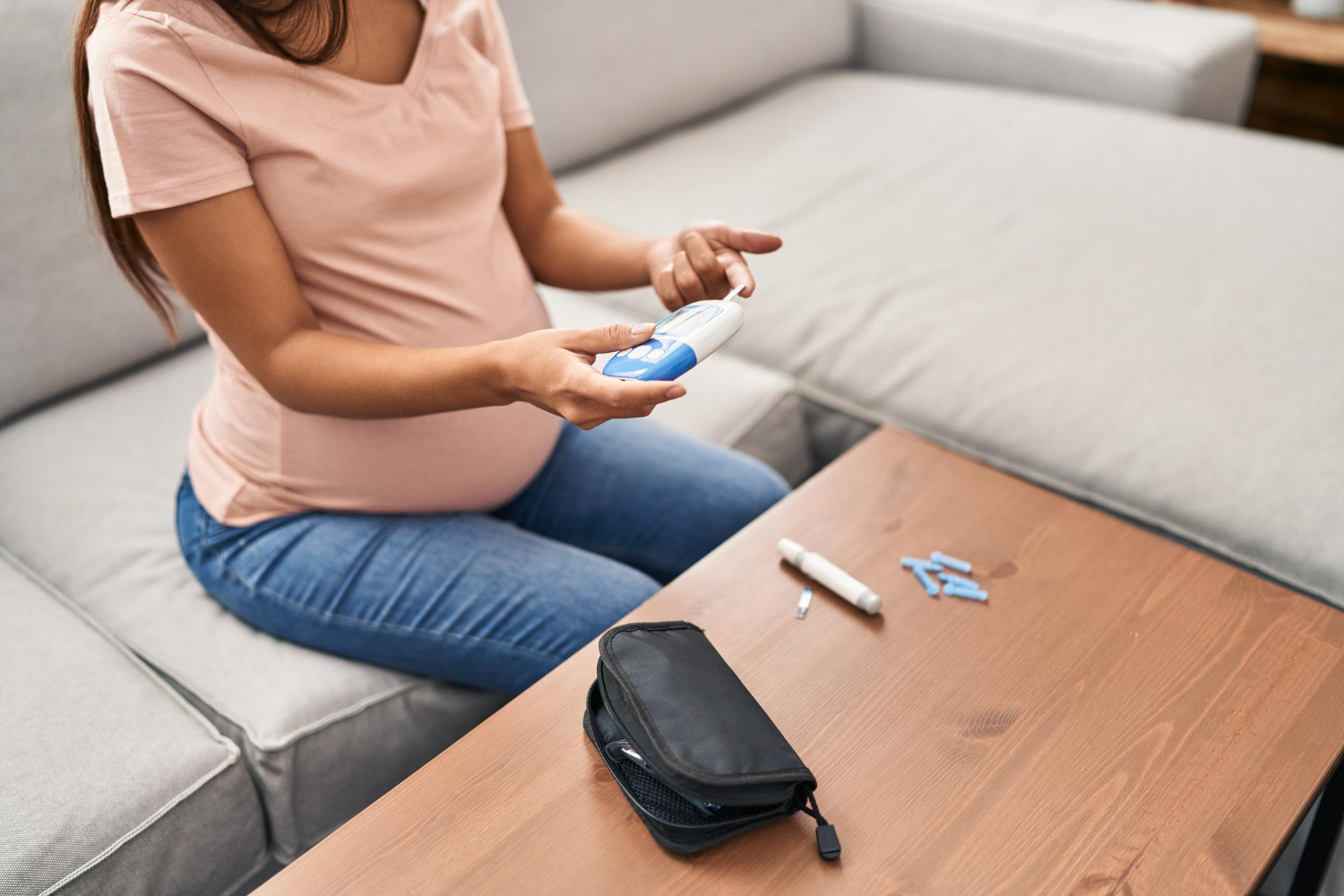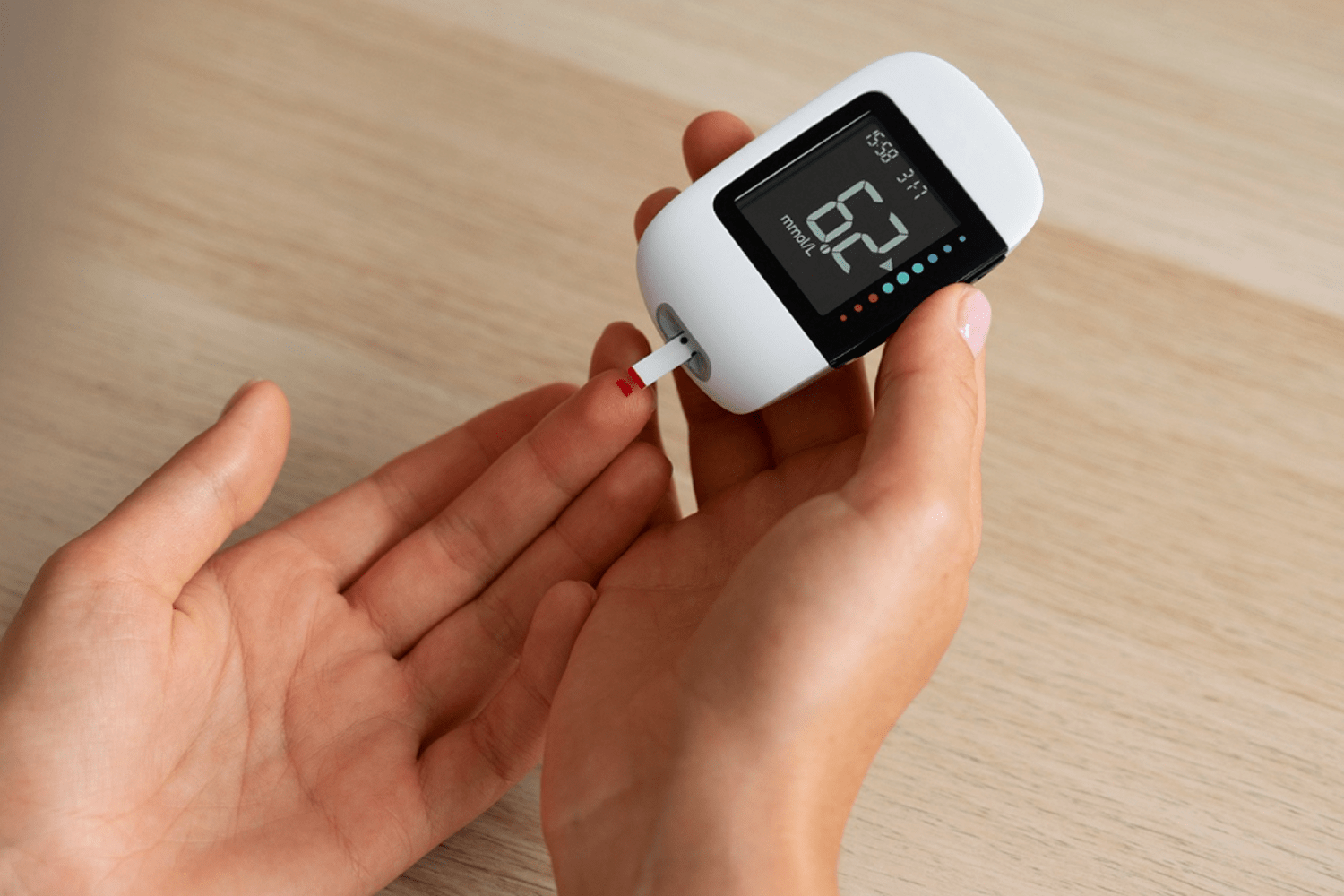
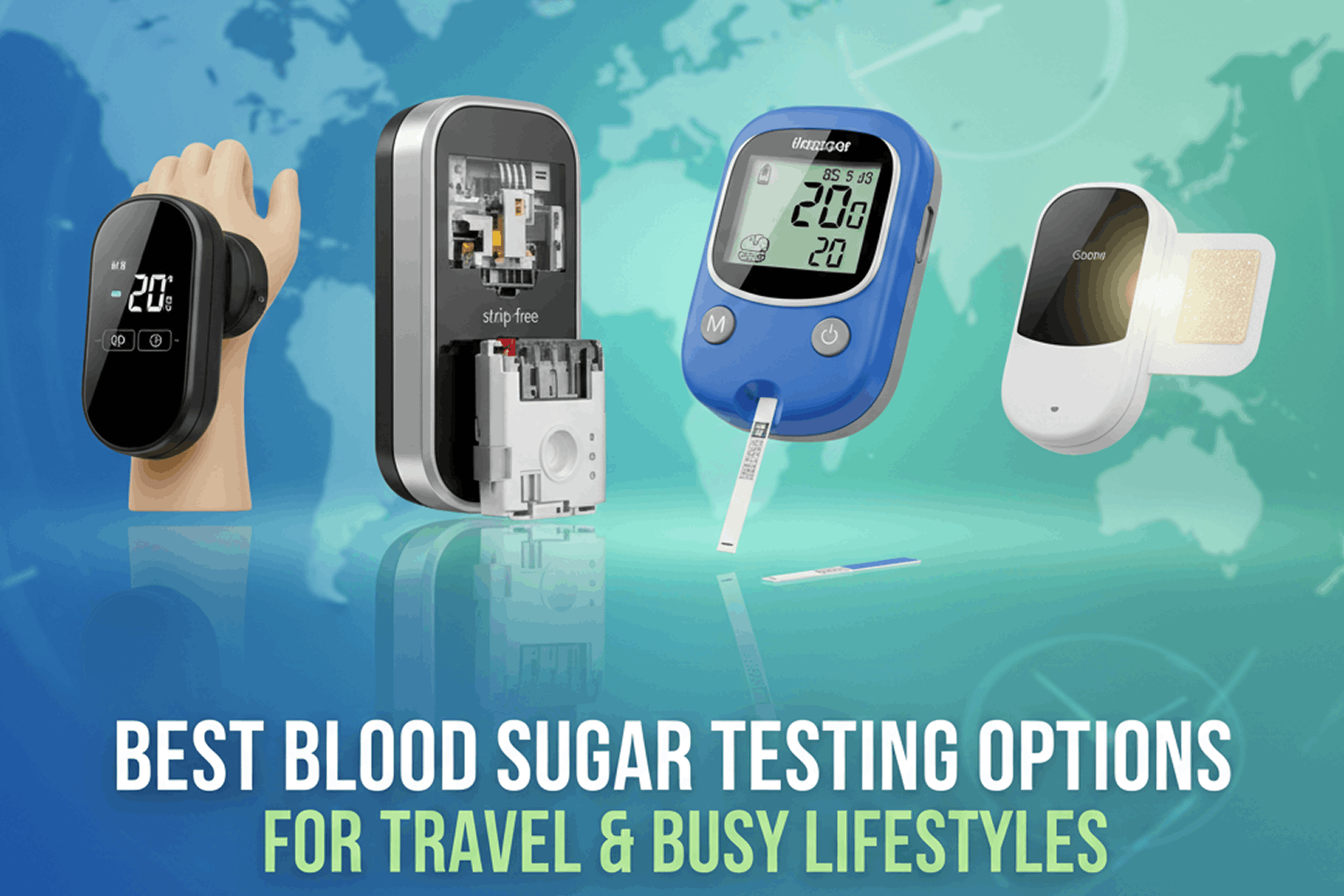
Best Blood Sugar Testing Options for Travel & Busy Lifestyles

Travelling, commuting, long work shifts, meetings, family responsibilities — life can get busy quickly. And when your schedule is packed, it’s easy for blood sugar testing to feel like a disruption rather than a routine. Many people with diabetes struggle most with monitoring, not because they don’t care, but because testing “on the go” can be inconvenient.

The good news is that diabetes care tools have improved massively in recent years. In 2026, there will be better solutions for blood glucose monitoring for travel, busy lifestyles, and anyone who wants simpler day-to-day testing.

This guide covers the best blood sugar testing options for travel, which tools suit different lifestyles, and how to stay consistent even when life is unpredictable. At Diabetes Pharmacy, we help UK customers choose reliable monitoring supplies designed to fit real life — not just perfect routines.

Why Travel and Busy Life Make Blood Sugar Testing Difficult

Monitoring becomes harder when your routine changes. Travel days and busy schedules often involve irregular meals, reduced sleep, more stress, and less control over timing. These factors don’t just make testing harder — they can also affect blood sugar levels directly.

Many people find these situations challenging because:

  • It’s difficult to carry multiple testing items
  • Testing in public feels uncomfortable
  • Travel and work days increase the chance of forgetting supplies
  • Airport security and long drives interrupt routines
  • People skip checks due to “I’ll do it later” thinking

This is why choosing the right testing method matters. A tool that’s inconvenient at home becomes even harder to use when travelling.

What Makes a Blood Sugar Testing Option Travel-Friendly?

A good portable blood glucose testing option needs to be reliable and simple. Travel-friendly systems usually have fewer parts, faster testing, and easier restocking.

The best choices for travel typically offer:

  • compact design
  • fast blood sugar readings
  • minimal loose supplies
  • easy restocking in the UK
  • strong everyday accuracy and trust

If you travel often — or just live a busy life — convenience isn’t a luxury. It’s what keeps monitoring consistent.

Option 1: Strip-Free Blood Sugar Testing (Best for Busy People)

If your biggest challenge is handling strips, keeping a kit organised, or testing quickly in public, then blood sugar testing without strips can be one of the best solutions.

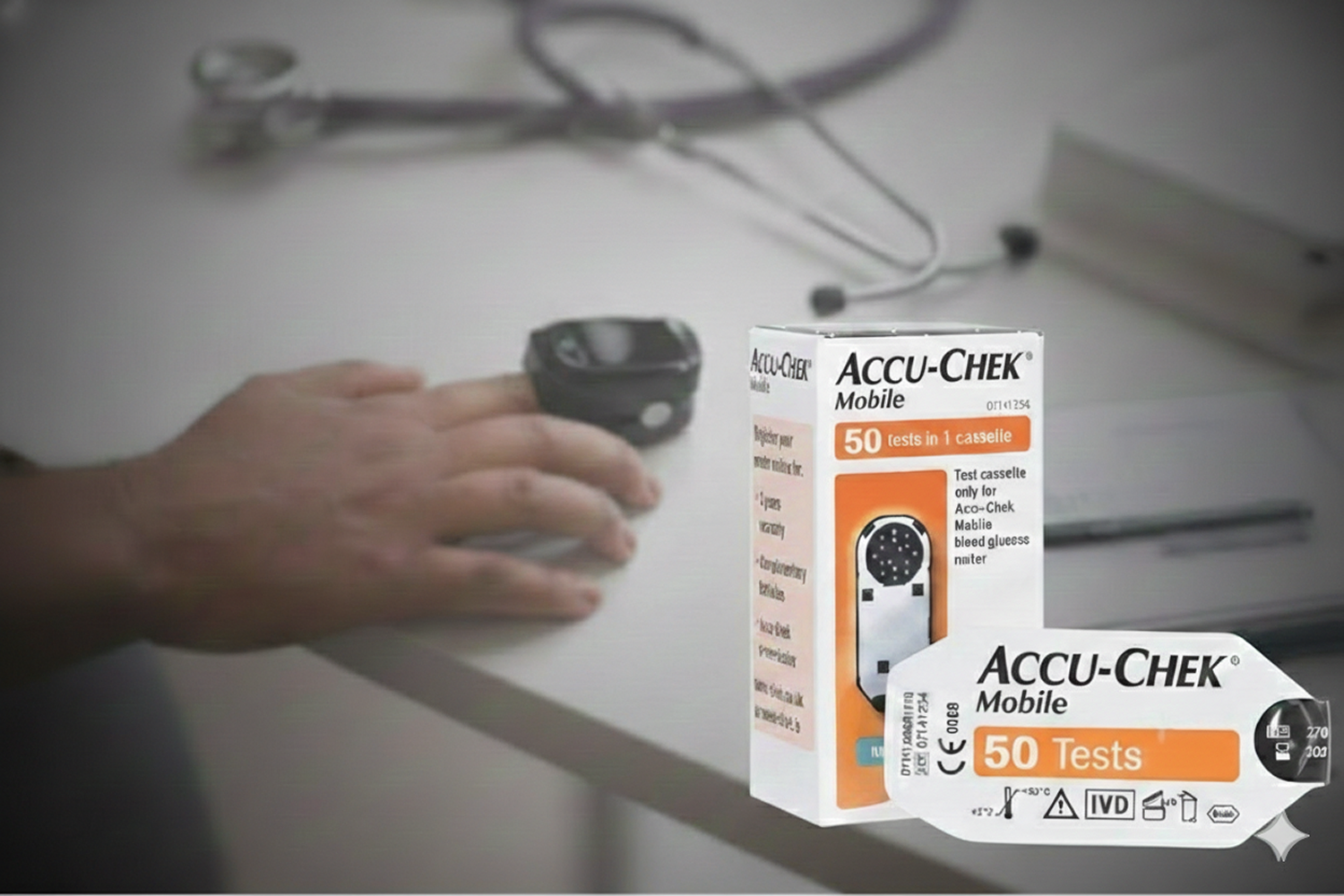
One of the most practical options is the Accu-Chek Mobile cassette system, which uses a cassette containing 50 tests instead of individual test strips. This reduces the number of items you need to carry and makes testing feel more discreet.

For many UK users, the main benefit is not only convenience but consistency — because it removes the friction that often leads to skipped checks.

You can find the cassette here: Accu-Chek Mobile Test Cassette – 50 Tests

Why strip-free testing works well for travel?
Strip-free systems are ideal for:

  • business travellers
  • students and commuters
  • shift workers
  • busy parents
  • anyone who tests frequently each day

When your tool is faster and simpler, testing becomes easier to stick with — even when routines change.

Option 2: Compact Traditional Meters + Test Strips (Best Budget-Friendly Choice)

Traditional blood glucose meters still play a major role in travel testing. They’re affordable, widely used, and easy to restock — especially when paired with the right test strips.

A strong option for users who want a straightforward travel kit is a compact meter, such as The GlucoRx S HCT Blood Glucose Meter

When it comes to travel, the key is choosing strips that are easy to reorder and store. Reliable options include:

Traditional testing remains the best choice for many people because it’s flexible and cost-effective. The key for travel is planning and keeping supplies organised.

Option 3: CGM for Travel (Best for Confidence and Peace of Mind)

For people who travel often or want fewer finger-pricks, CGM (continuous glucose monitoring) can offer a huge confidence boost. CGM provides real-time glucose readings throughout the day and night, allowing you to track trends even while moving between flights, meetings, and different meal timings.

CGM can be especially helpful for:

  • long travel days
  • jet lag and unusual sleep patterns
  • unpredictable meal timing
  • stress-related glucose spikes

If you want to explore CGM options, Diabetes Pharmacy offers trusted sensors like:

Even with CGM, many people still keep a glucometer as a backup — especially for travel.

What to Pack: Blood Sugar Testing Travel Checklist

Whether you’re using test strips, a cassette system, or CGM, packing properly prevents stressful moments.

A simple diabetes travel kit should include:

  • spare strips or spare cassette
  • lancets and lancing device (if applicable)
  • alcohol wipes or tissue
  • hypo treatments (glucose tablets/snacks)
  • a storage pouch or case
  • backup batteries or charger
  • spare sensor (if using CGM)

If you’re flying or travelling internationally, it may be worth carrying a short medical note or prescription copy for extra peace of mind.

Busy Lifestyle Tips: How to Avoid Skipping Tests

The biggest travel issue isn’t always supplies — it’s inconsistency. People skip checks because life gets busy, then feel guilty, and then avoid it further. A better approach is to make testing fit naturally into your routine.

Practical strategies include:

  • Link testing to daily habits (breakfast, lunch, bedtime)
  • Use alarms or reminders on your phone
  • Keep a kit in your work bag and car
  • Choose easier tools to reduce friction
  • Focus on consistency, not perfection

If you want to strengthen your routine long-term, explore practical content in our diabetes blog section.

Where to Buy Reliable Testing Supplies in the UK

When you’re busy or travelling, the last thing you want is running out of strips or supplies. That’s why choosing a reliable supplier matters.

At Diabetes Pharmacy, UK customers can access trusted testing tools and refills through our online shop, including glucometers, test strips, CGM sensors, and related supplies.

If you need product support, reach out via Contact Us. To learn more about our service and commitment, visit our About Us page.

For guidance on talking to healthcare providers about monitoring upgrades, our guide on how to work with your doctor and pharmacist is a great next read.

Final Thoughts: The Best Testing Option Is the One You’ll Use

The best tool for blood sugar testing on the go isn’t always the most advanced — it’s the one that fits your lifestyle. Strip-free cassette testing offers maximum convenience, traditional meters provide flexibility and affordability, while CGM delivers continuous insight and peace of mind during travel.

No matter which route you choose, the goal is the same: consistent monitoring that supports confidence and better control, wherever life takes you.

With reliable supplies, trusted products, and UK-focused support from Diabetes Pharmacy, diabetes monitoring can stay simple — even during your busiest days.
Share:

Accu-Chek Mobile vs Traditional Glucometers: What’s the Difference?

Choosing the right tool for blood sugar testing can make a big difference in how easy it feels to manage diabetes day to day. In the UK, many people still rely on traditional finger-prick glucometers that use individual test strips. However, newer options like the Accu-Chek Mobile cassette system offer a different approach — one that removes loose test strips entirely.

So, what’s the real difference between Accu-Chek Mobile vs traditional glucometers? And more importantly, which option is best for your lifestyle, routine, and diabetes management needs?

In this guide, we’ll compare the two systems clearly and honestly, so you can choose the most suitable blood glucose monitoring system for you. At Diabetes Pharmacy, we help customers across the UK find practical, reliable ways to monitor blood sugar confidently.

Why Many People Are Comparing These Options in 2026

Diabetes management is becoming more personalised. People don’t just want accurate numbers — they want monitoring tools that fit into real life. Frequent testing can be tiring, and for some users, the routine of carrying and handling strips can feel frustrating or inconvenient.

This is why there’s growing demand for:

  • easier blood sugar testing devices
  • glucometers without test strips
  • more convenient monitoring for travel, work, and busy schedules

For people who test multiple times daily, small improvements in convenience can make a big difference over months and years.

What Is the Accu-Chek Mobile System?

The Accu-Chek Mobile system is designed for blood sugar testing without strips. Instead of inserting a new strip for every test, it uses a test cassette containing 50 tests inside the device.

This makes it a popular choice for people who want an all-in-one testing solution with fewer loose supplies.

The cassette used for this system is available here: Accu-Chek Mobile Test Cassette – 50 Tests

What makes it different?

The system combines:

  • a built-in blood glucose meter
  • a cassette-based testing mechanism (no loose strips)
  • integrated lancing functionality (depending on model configuration)

It’s designed for convenience, speed, and simplified daily testing.

What Are Traditional Glucometers?

Traditional glucometers are the most common form of blood glucose meters used in the UK. These devices work using individual test strips, where each test requires a fresh strip inserted into the meter.

They are widely available, cost-effective, and offer many brand options.

Popular traditional systems include meters and strips, such as:

Traditional systems are flexible because users can choose from multiple meters and strip brands depending on preference and availability.

Accu-Chek Mobile vs Traditional Glucometers: Key Differences

Let’s compare the two systems in a practical way — based on what actually matters in daily use.

1) Testing Process and Convenience

With traditional meters, each test requires:

  • inserting a test strip
  • applying blood
  • disposing of the used strip safely

With Accu-Chek Mobile:

  • the test cassette stays inside the device
  • no strip insertion needed
  • used tests are sealed away

This makes strip-free blood sugar testing quicker and more discreet, especially for frequent testers.

2) Portability and Daily Carry

Traditional testing requires carrying multiple supplies: strips, meter, lancing device, lancets. Many users keep a full kit in a bag or car.

Accu-Chek Mobile reduces loose items, which can make it easier for:

  • working professionals
  • commuters
  • travellers
  • students

If you value convenience, glucometers without test strips often feel easier to manage.

3) Dexterity and Ease of Handling

This is a major difference. People with:

  • arthritis
  • reduced grip strength
  • tremors
  • vision limitations

often find strips difficult to handle. A cassette-based system reduces the fiddly steps, making it one of the best blood glucose meters for older adults or for users struggling with strip handling.

4) Waste and Cleanliness

Traditional strips create physical waste with each reading. Disposal isn’t always convenient outside the home.

Strip-free cassette testing keeps used tests sealed internally, which:

  • feels cleaner
  • reduces public discomfort
  • lowers mess and waste handling

5) Cost and Replacement Supplies

Traditional systems often offer a lower per-test cost and have many pricing options depending on strip choice.

Cassette systems require replacement cassettes after a fixed number of tests (e.g., 50). For some users, the added convenience is worth the extra cost.

In both cases, consistent supply matters most — which is why UK users often prefer ordering from reliable sources like the Diabetes Pharmacy online shop.

Who Should Choose Accu-Chek Mobile?

Accu-Chek Mobile is especially suitable if you want:

  • easy blood sugar testing
  • fewer loose supplies
  • more discreet testing in public
  • simplified routine

It tends to be best for:

  • people testing multiple times per day
  • older adults
  • users with dexterity issues
  • frequent travellers
  • busy professionals

Who Should Choose Traditional Glucometers?

Traditional strip-based systems are often better if:

  • you test occasionally
  • you prefer lower running costs
  • you want more flexibility in meter choice
  • you’re already comfortable with strips

They remain highly trusted and accurate, and the variety of strips available makes it easier to find an option that suits your budget and lifestyle.

What About CGM?

Some users may ask: should I use a glucometer at all, or move to CGM?

CGM is a great option for many people. Devices like FreeStyle Libre and Dexcom provide real-time glucose tracking, but finger-prick testing still plays a role for:

  • confirmation checks
  • illness days
  • sensor changes
  • backup monitoring

So even in modern diabetes care, a reliable glucometer remains useful.

Where to Buy Reliable Glucose Testing Supplies in the UK

Whether you choose strip-free testing or traditional testing, supply consistency is critical. Interruptions in strips or cassettes can disrupt routines and lead to missed readings.

At Diabetes Pharmacy, you’ll find:

  • Accu-Chek Mobile cassettes
  • blood glucose meters
  • compatible test strips
  • diabetes care supplies for UK customers

Explore all testing supplies via our online shop.

If you’d like support selecting the right option, visit our Contact Us page. Learn more about our mission on About Us, and explore helpful content in our blog section.

For guidance on discussing monitoring options with your healthcare team, our guide on how to work with your doctor and pharmacist is a useful read.

Final Verdict: Which Is Better?

The truth is, there isn’t one perfect answer — it depends on how you live and how you prefer to manage diabetes.

If you want maximum convenience and fewer loose supplies, Accu-Chek Mobile offers a simpler experience. If you prefer flexibility and lower per-test costs, traditional glucometers remain an excellent and reliable choice.

What matters most is choosing a system you can use consistently — because regular monitoring is one of the strongest tools for confident diabetes management.

Share:

Blood Glucose Meters Without Test Strips: Are They Worth It?

For many people living with diabetes, blood glucose testing is part of everyday life. While traditional finger-prick testing using individual test strips is reliable, it can also feel repetitive, messy, and inconvenient — especially when testing several times a day.

This has led many people to search for blood glucose meters without test strips, hoping for a simpler and more discreet way to manage blood sugar levels. But are strip-free blood glucose meters really worth it, or are traditional systems still the better option?

In this guide, we explain how strip-free blood glucose testing works, who benefits most, what the limitations are, and how to decide which monitoring method suits your lifestyle.

At Diabetes Pharmacy, we help people across the UK choose blood glucose monitoring solutions that are practical, reliable, and easy to live with.

Why People Are Looking for Blood Glucose Meters Without Test Strips

Traditional blood sugar testing requires several separate items: a meter, test strips, lancets, and a disposal method for used strips. While this works well, it can feel inconvenient over time.

Many users find that:

  • Handling small test strips can be awkward
  • Testing in public feels uncomfortable
  • Carrying multiple supplies is inconvenient
  • Disposing of used strips isn’t always easy

These daily frustrations are why interest in glucometers without test strips has grown steadily in recent years.

What Are Blood Glucose Meters Without Test Strips?

Blood glucose meters without test strips are devices designed to test blood sugar without inserting a new strip for each test. Instead of loose strips, they use an internal testing system, usually in the form of a cassette.

The most well-known example in the UK is the Accu-Chek Mobile system, which uses a cassette containing 50 tests rather than individual strips. The cassette stays inside the meter and advances automatically after each test.

This approach removes the need to handle, insert, and dispose of strips, making strip-free blood sugar testing simpler for many users.

You can view the compatible cassette here: Accu-Chek Mobile Test Cassette – 50 Tests

How Strip-Free Blood Sugar Testing Works

With a strip-free blood glucose meter, testing follows a similar finger-prick process — but without inserting a strip.

Instead, the device:

  1. Uses a built-in lancing device to collect a small blood sample
  2. Applies the blood to a fresh section of the internal cassette
  3. Measures your blood glucose level
  4. Seals away the used test area automatically

Because the cassette contains multiple tests, everything stays contained within the meter. This significantly reduces handling and helps keep testing more discreet and hygienic.

Advantages of Blood Glucose Meters Without Test Strips

The biggest benefit of strip-free blood glucose meters is convenience. By simplifying the testing process, many users find it easier to stay consistent with monitoring.

Key advantages include:

  • Less mess and waste compared to loose strips
  • Faster testing, especially when out of the house
  • All-in-one design with fewer items to carry
  • Discreet testing in public or work settings

For people who test frequently, these small improvements can make daily diabetes management feel far less disruptive.

Are There Any Drawbacks to Strip-Free Blood Glucose Meters?

While strip-free systems offer clear benefits, they are not perfect for everyone. Understanding the limitations helps you make a confident choice.

Some considerations include:

  • Fewer device options compared to traditional meters
  • You must replace the cassette after a fixed number of tests
  • You cannot mix and match with other test strips
  • They may not suit people who already rely heavily on CGM

Being honest about these points builds trust — and helps ensure you choose a system that fits your routine.

Who Are Blood Glucose Meters Without Test Strips Worth It For?

Strip-free blood glucose testing tends to work best for people who value simplicity and convenience.

These systems are often ideal for:

  • People testing blood sugar multiple times a day
  • Older adults who struggle with small test strips
  • People with reduced dexterity or vision
  • Travellers who want fewer loose supplies
  • Anyone frustrated by traditional strip handling

If convenience is a priority, a glucometer without test strips can be a worthwhile upgrade.

How Do Strip-Free Meters Compare to Traditional Test Strip Systems?

Traditional blood glucose meters using strips remain extremely popular — and for good reason. They offer flexibility, wide availability, and compatibility with many different strip brands.

Popular strip-based systems include:

These systems are reliable and often more affordable per test. However, they require more handling and supplies compared to strip-free alternatives.

Ultimately, the choice comes down to flexibility versus convenience.

Are Strip-Free Blood Glucose Meters Worth It in the UK?

For UK users, strip-free blood glucose meters are absolutely worth considering — especially if you test frequently and value simplicity.

Availability of replacement cassettes, trusted suppliers, and consistent access to supplies all play an important role. Buying from a reliable UK retailer ensures continuity and peace of mind.

Through the Diabetes Pharmacy online shop, UK customers can access strip-free testing supplies, traditional meters, and compatible test strips in one place.

How to Decide Which Blood Glucose Monitoring System Is Right for You

Choosing between blood glucose meters with or without test strips depends on your daily routine, not just technology.

Ask yourself:

  • How often do I test my blood sugar?
  • Do I find handling strips frustrating?
  • Do I test at work, while travelling, or in public?
  • Do I prefer simplicity over flexibility?
  • Am I already using CGM regularly?

Answering these questions honestly will guide you toward the system you’re most likely to use consistently.

If you’d like help discussing monitoring options with your healthcare provider, our guide on how to work with your doctor and pharmacist explains how to approach the conversation confidently.

Final Thoughts: Are Blood Glucose Meters Without Test Strips Worth It?

Blood glucose meters without test strips are not a universal replacement for traditional systems — but for the right person, they can make a meaningful difference.

If you test frequently, value convenience, and want to simplify daily monitoring, strip-free blood sugar testing can be well worth it. For others who prioritise flexibility or already use CGM, traditional test strip systems may still be the better choice.

With trusted products, clear guidance, and ongoing support from Diabetes Pharmacy, choosing the right blood glucose monitoring system becomes simpler, calmer, and far more confident.

Share:

Gestational Diabetes Symptoms: Early Signs, Causes & What to Do During Pregnancy

Gestational diabetes is a type of diabetes that develops during pregnancy in women who have not previously been diagnosed with diabetes. It occurs when blood sugar levels become higher than normal, meaning extra care is needed for both you and your baby.

For many women, the diagnosis comes as a surprise. Symptoms can be mild, unclear, or completely absent, which is why gestational diabetes is often detected through routine screening rather than how you feel. The reassuring news is that gestational diabetes is manageable, and most women go on to have healthy pregnancies with the right support.

At Diabetes Pharmacy, we support expectant mothers across the UK with reliable blood glucose monitoring tools and practical guidance to help manage gestational diabetes confidently.

What Are the Symptoms of Gestational Diabetes?

One of the most challenging things about gestational diabetes symptoms is that they often look very similar to normal pregnancy changes. Many women feel tired, thirsty, or need to urinate more frequently during pregnancy anyway, which makes it difficult to spot a problem based on symptoms alone.

Some women may notice signs such as needing to go to the toilet more often than usual, especially during the night, or feeling unusually thirsty even after drinking fluids. Others experience increased fatigue that feels different from typical pregnancy tiredness. In some cases, genital itching, thrush, or blurred eyesight may occur.

Because these symptoms are not specific, many women with gestational diabetes have no noticeable symptoms at all, which is why routine screening plays such an important role.

Why Many Women Have No Obvious Symptoms

It’s completely normal to feel shocked after being diagnosed, particularly if you felt well beforehand. In reality, most cases of gestational diabetes are symptom-free.

Blood sugar levels can rise quietly without causing discomfort, especially in the early stages. Without testing, raised glucose levels may go unnoticed, increasing the risk of complications later in pregnancy. This is why gestational diabetes screening is offered routinely in the UK, rather than waiting for symptoms to appear.

How Is Gestational Diabetes Diagnosed in the UK?

Gestational diabetes is usually diagnosed using an Oral Glucose Tolerance Test (OGTT). This test measures how your body processes sugar and is typically offered between 24 and 28 weeks of pregnancy.

If you’ve had gestational diabetes in a previous pregnancy or have additional risk factors, you may be offered testing earlier. In some cases, women are asked to monitor blood sugar levels at home, particularly if early screening suggests increased risk.

Home monitoring involves using a blood glucose meter and test strips, allowing you and your healthcare team to see how your levels change throughout the day. Many women continue monitoring at home using reliable devices available through the Diabetes Pharmacy online shop.

What Causes Gestational Diabetes?

During pregnancy, your body produces hormones that help support your baby’s growth. However, these same hormones can make it harder for insulin to work properly, leading to insulin resistance.

When insulin cannot work effectively, glucose stays in the bloodstream instead of being used for energy. If the body cannot produce enough insulin to overcome this resistance, blood sugar levels rise, resulting in gestational diabetes. This process is driven by hormonal changes and is not caused by anything you did wrong.

At What Stage of Pregnancy Does Gestational Diabetes Develop?

Gestational diabetes can develop at any stage of pregnancy, but it is most commonly identified during the second or third trimester. In the UK, most diagnoses occur following routine testing between weeks 24 and 28.

After giving birth, blood sugar levels usually return to normal. However, because gestational diabetes increases the risk of developing type 2 diabetes later in life, follow-up testing is important. Women are typically offered a blood glucose test 6 to 13 weeks after birth, followed by annual screening.

What Happens to the Baby if You Have Gestational Diabetes?

With good management, most babies are born healthy. However, if blood sugar levels remain high, certain risks can increase.

These may include a larger birth weight, which can make delivery more challenging and increase the likelihood of induced labour or caesarean section. Some babies may experience low blood sugar levels after birth, or develop jaundice, which may require treatment.

The good news is that regular blood sugar monitoring, healthy eating, and appropriate medical care significantly reduce these risks.

How Do I Know If I Have Gestational Diabetes?

If you notice symptoms such as extreme thirst, frequent urination, or persistent fatigue, it’s important to discuss your concerns with your midwife or GP. However, the only way to confirm gestational diabetes is through blood glucose testing.

Many women manage their condition successfully by monitoring glucose levels at home, which helps identify patterns and guides treatment decisions. Accurate monitoring is one of the most effective tools for keeping blood sugar within safe ranges during pregnancy.

Why Blood Sugar Monitoring Matters During Pregnancy

Monitoring allows you to understand how food, activity, stress, and hormonal changes affect your blood sugar. It also enables healthcare professionals to adjust care quickly if levels rise.

Reliable blood glucose monitoring helps detect changes early, reduce complications, and support safer outcomes for both mother and baby. At Diabetes Pharmacy, we provide trusted blood glucose meters and test strips to support expectant mothers across the UK.

Managing Gestational Diabetes Day to Day

Most women manage gestational diabetes through balanced meals, gentle physical activity, and regular blood sugar checks. Some may need medication or insulin, but many control their levels successfully with lifestyle changes supported by monitoring data.

If you’re unsure how to discuss results or treatment options, our guide on how to work with your doctor and pharmacist explains how to ask the right questions and feel more confident during appointments.

Support & Monitoring Supplies in the UK

Having the right tools makes managing gestational diabetes far less stressful. Through our online diabetes shop, you can access blood glucose meters, compatible test strips, and essential monitoring supplies.

To learn more about our approach to diabetes care, visit our About Us page. If you need guidance, our team is available via Contact Us. You can also explore more pregnancy-related and diabetes guides in our blog section.

Final Thoughts on Gestational Diabetes Symptoms

Being diagnosed with gestational diabetes — whether or not you noticed symptoms — can feel worrying, but it is a common and manageable condition. With early testing, regular blood sugar monitoring, and the right support, most women manage gestational diabetes successfully and go on to have healthy babies.

Staying informed, monitoring consistently, and working closely with your healthcare team are the best steps you can take. With guidance and trusted supplies from Diabetes Pharmacy, managing gestational diabetes becomes clearer, calmer, and far more manageable during pregnancy.

Share:

The Transition to FreeStyle Libre 3 Plus in the UK: What Users Need to Know in 2026

Managing diabetes in 2026 is changing for thousands of people across the UK. Abbott has officially started discontinuing the FreeStyle Libre 3 sensor, replacing it with the newer FreeStyle Libre 3 Plus, a sensor designed to support modern diabetes management better.

For anyone currently using FreeStyle Libre 3 for continuous glucose monitoring, this transition affects future prescriptions, sensor availability, and daily routines. Understanding what’s changing — and acting early — will help you avoid interruptions and continue monitoring with confidence.

At Diabetes Pharmacy, we help UK users stay informed and prepared during important technology transitions like this.

Why the FreeStyle Libre 3 Is Being Discontinued

Abbott’s decision to phase out the FreeStyle Libre 3 is part of a wider move toward simplifying its product range. Rather than maintaining multiple similar sensors, Abbott is consolidating users onto a single, higher-performance CGM standard.

The FreeStyle Libre 3 Plus builds on existing technology while offering greater flexibility across age groups, treatment types, and future integrations. This approach helps Abbott maintain consistent manufacturing, stronger clinical performance, and better long-term compatibility with automated insulin delivery systems.

For UK users, this means fewer product variations — but a more future-ready CGM solution.

UK Timeline: When the Change Takes Effect

The transition has already begun, but March 2026 is the key deadline UK users need to remember. While some regions started receiving Libre 3 Plus sensors in late 2025, the standard Libre 3 will no longer be supplied in the UK after March 2026.

If your prescription still lists FreeStyle Libre 3, it must be updated before this cutoff. Leaving it unchanged could lead to delays or gaps in CGM supply once older stock runs out.

What’s New With the FreeStyle Libre 3 Plus

The FreeStyle Libre 3 Plus isn’t a completely new device. Instead, it’s a refined upgrade that keeps the same compact size while introducing practical improvements that matter in everyday use.

The most noticeable change is the extended wear time. The Libre 3 Plus lasts 15 days, compared to the previous 14-day sensor. Over the course of a year, this reduces the number of sensor changes, making CGM use more convenient and slightly more cost-efficient.

Another important improvement is the expanded age approval. The Libre 3 Plus can now be used by children as young as 2 years old, offering families managing Type 1 diabetes in young children a safer and more inclusive option.

The Plus model is also designed to work with automated insulin delivery (AID) systems, including mylife Loop. This allows glucose readings to feed directly into compatible insulin pumps, supporting automated dose adjustments — a major step toward closed-loop care.

Finally, Abbott reports improved accuracy, particularly during low-glucose events and rapid glucose changes, helping reduce false alerts and unnecessary corrections.

What UK Users Must Do to Transition Smoothly

This change does not happen automatically, and the most important step is updating your prescription.

Because the FreeStyle Libre 3 Plus is classified as a separate medical device, pharmacies cannot substitute it for a Libre 3 without explicit approval. You’ll need to speak with your GP or diabetes specialist and request a new prescription that clearly states “FreeStyle Libre 3 Plus.”

It’s best to do this well before your current sensors run out, especially if you rely on repeat prescriptions.

App and Reader Compatibility: What Stays the Same

One reassuring aspect of this transition is that your digital setup does not need to change. The existing FreeStyle Libre 3 app works seamlessly with the Plus sensor, and the Libre 3 reader remains compatible after a simple startup process.

This means no new downloads, no additional hardware costs, and no learning curve — just a new sensor with added benefits.

Important Safety Notice UK Users Should Not Ignore

Alongside the planned phase-out, Abbott issued an Urgent Field Safety Notice in late 2025 that remains relevant in 2026.

A manufacturing issue affected a limited number of FreeStyle Libre 3 and Libre 3 Plus sensors, causing them to display incorrectly low glucose readings. This is significant because false lows can lead to unnecessary carbohydrate intake or skipped insulin doses.

If you currently have Libre sensors at home, it’s essential to check whether they are affected.

You should:

  • Locate the sensor serial number (in your app, reader, or packaging)
  • Verify it using Abbott’s official online checker
  • Discontinue and replace affected sensors immediately (Abbott provides replacements)

This step protects your safety and ensures accurate glucose management.

How to Manage Your Current Sensor Stock

If you still have unused 14-day Libre 3 sensors, NHS guidance suggests using them before switching to the new 15-day Libre 3 Plus, provided they are not part of the safety recall. This avoids unnecessary waste and allows for a smoother transition.

Once your prescription is updated, future supplies should be ordered as FreeStyle Libre 3 Plus only.

You can explore CGM sensors and diabetes supplies through the Diabetes Pharmacy online shop, which supports UK users with trusted products and reliable delivery.

Why the Libre 3 Plus Transition Is a Positive Step

While any change in medical technology can feel disruptive, this transition brings meaningful benefits. Longer wear time reduces daily hassle, improved accuracy increases confidence, and pump compatibility supports smarter insulin management.

Most importantly, the Libre 3 Plus aligns with the future of personalised, automated diabetes care, helping users spend less time worrying about numbers and more time living their lives.

Get Help During the Transition

If you’re unsure how to discuss this change with your healthcare provider, our guide on how to work with your doctor and pharmacist explains how to ask the right questions and update prescriptions smoothly.

To learn more about our role in UK diabetes care, visit our About Us page. For personalised assistance, reach out through Contact Us. You can also explore more practical guides in our diabetes blog section.

Final Thoughts for UK Libre Users

The transition to FreeStyle Libre 3 Plus represents more than a routine product update — it reflects the wider direction of diabetes care in the UK. With longer wear time, improved accuracy, and better integration with automated insulin delivery systems, the Libre 3 Plus is designed to reduce daily effort while supporting safer, more responsive glucose management. For most users, this change will feel familiar but noticeably smoother over time.

To ensure a stress-free transition, it’s important to take action early. Updating your prescription before the March 2026 deadline, checking your existing sensors against the recent safety notice, and understanding how the Plus model fits into your current routine will help avoid gaps in monitoring. Small steps taken now can prevent last-minute disruptions later.

With trusted access to sensors, clear guidance, and ongoing support from Diabetes Pharmacy, UK users can move into this next phase of diabetes management with confidence. By staying informed and prepared, the shift to FreeStyle Libre 3 Plus becomes a positive step toward more reliable, personalised, and future-ready diabetes care.

Share:

Common Questions & Misconceptions About Diabetes — FAQ for Patients & Caregivers

Diabetes is one of the most talked-about health conditions — and also one of the most misunderstood. Conflicting advice online, outdated myths, and well-meaning comments from others can leave people with diabetes, and those who care for them, feeling confused or anxious.

This FAQ guide answers the most common questions and misconceptions about diabetes in a clear, honest and supportive way. Whether you’re newly diagnosed, living with diabetes long-term, or supporting a loved one, these answers are designed to reduce fear and help you feel more confident. At Diabetes Pharmacy, we believe that good information is one of the most powerful tools in diabetes care.

  • Is diabetes caused by eating too much sugar?

No — this is one of the most common myths. Eating sugar alone does not cause diabetes.
Type 1 diabetes is an autoimmune condition where the body stops producing insulin. Type 2 diabetes develops due to a combination of genetics, insulin resistance, lifestyle factors, and how the body processes glucose over time.

While excess sugar intake can contribute to weight gain and insulin resistance, diabetes is far more complex than a single food choice.

  • Can diabetes be cured?

At present, there is no cure for diabetes. However, diabetes can be managed very effectively. Many people live long, healthy lives with good glucose control and minimal complications.

Some people with type 2 diabetes may experience remission through lifestyle changes and weight loss, but this does not mean the condition has disappeared permanently — ongoing monitoring remains important.

  • What’s the difference between type 1 and type 2 diabetes?

Type 1 diabetes occurs when the immune system attacks insulin-producing cells, meaning the body cannot produce insulin at all. It usually develops in childhood or early adulthood, though it can appear at any age.

Type 2 diabetes occurs when the body becomes resistant to insulin or doesn’t produce enough. It often develops later in life but is increasingly seen in younger adults. Treatment plans differ, which is why understanding your diagnosis matters.

  • If I feel fine, does that mean my diabetes is under control?

Not necessarily. Diabetes can change silently, without obvious symptoms. Blood sugar, blood pressure, kidney function or nerve health may worsen gradually without causing immediate discomfort.

That’s why regular monitoring and check-ups are essential — they detect changes early, before complications develop.

  • How often should blood sugar be checked?

The frequency depends on your treatment and lifestyle. People using insulin or medications that affect blood sugar more strongly may need to check more often. Others may monitor less frequently.

Some people use finger-prick testing with options like Accu-Chek Performa test strips or Contour Plus glucose strips, while others use continuous glucose monitoring for ongoing insight.

The key is consistency — not comparison with others.

  • Do I still need finger-pricks if I use a CGM?

Many people using CGM still use finger-prick tests occasionally to confirm readings or during sensor changes. CGM shows trends and patterns, while traditional testing provides confirmation in specific situations.

Tools like the FreeStyle Libre 3 CGM Sensor or Dexcom ONE+ Sensor are designed to reduce, not necessarily eliminate, finger-pricks.

  • Why does my blood sugar change even when I eat the same foods?

Blood sugar is influenced by more than food alone. Stress, sleep, illness, hormones, physical activity, hydration and medication timing all affect glucose levels.

This is why monitoring patterns over time is more useful than focusing on single readings. CGM often helps people understand these variations more clearly.

  • Will I definitely need insulin if I have diabetes?

No. Many people with type 2 diabetes manage their condition with lifestyle changes and oral medications for years. Insulin is usually introduced when the body can no longer produce or use insulin effectively enough.

For people with type 1 diabetes, insulin is essential from diagnosis. Using insulin is not a failure — it’s simply the right treatment when needed.

  • Are diabetes medications safe to take long-term?

Yes — diabetes medications prescribed in the UK are carefully tested and monitored. Your healthcare team reviews benefits and risks regularly and adjusts treatment if needed.

Never stop or change medication without professional guidance, even if your glucose improves.

  • Can people with diabetes eat sugar or carbohydrates at all?

Yes — diabetes management is about balance, not elimination. Carbohydrates affect blood sugar, but they don’t need to be avoided completely. Portion size, timing and pairing carbs with protein or fibre all matter.

Restrictive diets are rarely sustainable long term. A balanced approach supports both physical and mental health.

  • Is exercise always safe for people with diabetes?

In most cases, yes — and it’s strongly encouraged. Physical activity improves insulin sensitivity and overall health. However, exercise can affect blood sugar differently depending on intensity and timing.

Monitoring before and after activity helps you understand your body’s response. CGM makes this easier by showing real-time changes during movement.

  • Can stress really raise blood sugar?

Yes. Stress hormones such as cortisol raise blood sugar levels. Emotional stress, anxiety, poor sleep or burnout can cause unexplained spikes even when diet and medication stay the same.

Managing stress is an important — and often overlooked — part of diabetes care.

  • Is diabetes only a concern for overweight people?

No. While weight can influence insulin resistance, diabetes affects people of all body types, ages and backgrounds. Many people with type 2 diabetes are not overweight, and type 1 diabetes is unrelated to weight.

This misconception can delay diagnosis and discourage people from seeking support.

  • How serious is diabetes, really?

Diabetes is serious, but it is manageable. When well controlled, many people live full, active lives with minimal complications. Problems usually arise when diabetes is unmanaged or monitoring is inconsistent.

Education, regular reviews and the right tools make a significant difference.

  • What questions do caregivers often ask?

Caregivers often worry about doing the “right thing” without being overbearing. Common questions include how to recognise low blood sugar, how to offer help without pressure, and how to provide emotional support.

Listening, learning together and encouraging independence are often more helpful than constant reminders.

  • Where can I get reliable diabetes information?

Trusted, up-to-date sources matter. Alongside your healthcare team, Diabetes Pharmacy provides educational content, guidance and access to reliable monitoring tools.

Our blog section covers topics ranging from monitoring and medication to mental well-being and lifestyle. If you’re unsure how to prepare for appointments, our guide on how to work with your doctor and pharmacist can help.

Support for Patients & Caregivers

Managing diabetes is easier with the right support. Through our online shop, you can access CGM sensors, test strips, insulin supplies and essential diabetes products designed to fit different needs and lifestyles.

To learn more about our commitment to diabetes care across the UK, visit our About Us page. If you have questions or need guidance, our team is available via Contact Us.

Final Thoughts

Diabetes is surrounded by myths — but knowledge replaces fear. Understanding what diabetes is, how it’s managed, and what truly matters helps both patients and caregivers feel more confident and supported.

By asking questions, seeking reliable information and using trusted tools from Diabetes Pharmacy, diabetes care becomes clearer, calmer and far more manageable — for everyone involved.

Share:

Why Regular Check-ups & Monitoring Matter — Tests, Frequency & What to Expect

Diabetes is a long-term condition that can change quietly over time. You may feel well, follow your routine, and still experience gradual shifts in blood sugar control or overall health. This is why regular check-ups and ongoing monitoring are such an important part of diabetes care — they help identify changes early, guide treatment decisions, and reduce the risk of long-term complications.

Many people feel unsure about what diabetes reviews involve, which tests are really necessary, or how often monitoring should happen. This guide explains why regular check-ups matter, what tests you can expect, and how monitoring helps you stay one step ahead. At Diabetes Pharmacy, we support people across the UK with reliable monitoring tools, education and practical guidance to make diabetes care clearer and more manageable.

Why Regular Diabetes Check-ups Are So Important

Diabetes doesn’t always cause obvious symptoms when things begin to change. Blood sugar can rise gradually, blood pressure may increase, or early nerve and kidney changes can occur without warning signs. Regular check-ups help detect these changes before they become serious.

Routine reviews also ensure your treatment plan continues to suit your life. As your body, lifestyle, or circumstances change, medication doses, monitoring methods and targets may need adjusting. Regular appointments help keep care preventive rather than reactive, which is key to long-term health.

What “Monitoring” Really Means in Daily Life

Monitoring isn’t just about checking numbers — it’s about understanding patterns. Daily monitoring helps you see how food, activity, stress, sleep and medication affect your blood sugar, allowing you to make informed adjustments.

Some people monitor using finger-prick testing with test strips, while others use continuous glucose monitoring (CGM). Traditional testing remains useful for confirmation checks and specific situations, using reliable options such as Accu-Chek Performa test strips, Accu-Chek Active glucose test strips, Contour Plus glucose strips or AgaMatrix WaveSense Jazz test strips.

CGM systems offer continuous insight throughout the day and night. Tools such as the FreeStyle Libre 2 Plus, FreeStyle Libre 3 CGM Sensor and Dexcom ONE+ Sensor allow you to see trends rather than isolated readings, which many people find reassuring and empowering.

In modern diabetes care, monitoring methods are often combined to suit individual needs rather than replacing one another.

Key Diabetes Tests & What They Show

During routine check-ups, healthcare professionals look beyond daily glucose readings. Each test provides a different piece of the overall picture.

The HbA1c test shows your average blood sugar over the past two to three months. It helps identify long-term trends rather than daily ups and downs. Blood pressure checks are equally important, as high blood pressure increases the risk of heart disease and kidney problems.

Cholesterol tests help assess cardiovascular risk, which is higher in people with diabetes. Kidney function tests — usually blood and urine tests — detect early signs of kidney strain before symptoms appear. Annual eye screening checks for changes in the blood vessels at the back of the eye, while foot checks help identify nerve damage or circulation issues that could lead to ulcers or infections.

Each test plays a role in preventing complications rather than simply responding to them.

How Often Should Diabetes Tests & Reviews Happen?

Monitoring frequency varies depending on treatment, lifestyle and individual risk factors. Daily or frequent glucose monitoring is common for people using insulin or medications that affect blood sugar more strongly. Others may monitor less often but still benefit from regular checks.

Formal diabetes reviews typically happen every three to six months, especially if medication adjustments are needed. Annual reviews usually include eye screening, kidney checks, cholesterol tests and foot examinations.

Your healthcare team will tailor the schedule to your needs. The goal isn’t to increase appointments unnecessarily, but to ensure changes are identified early and managed safely.

What to Expect at a Diabetes Review

Many people feel uncertain before diabetes appointments. Knowing what to expect can reduce anxiety and help you make the most of the time.

During a review, your healthcare professional may look at glucose readings or CGM data, discuss medication effectiveness, review recent test results and ask about your daily routine. This is also your opportunity to talk about challenges such as stress, sleep, exercise, travel or side effects.

Asking questions is encouraged. If you’re unsure how to prepare, our guide on how to work with your doctor and pharmacist explains how to communicate confidently and ensure your concerns are addressed.

How Monitoring Helps Prevent Long-Term Complications

Regular monitoring and check-ups help prevent complications by catching issues early. Patterns in glucose data may highlight rising levels before HbA1c increases. Blood pressure or kidney changes can be addressed before permanent damage occurs.

Monitoring also supports day-to-day confidence. Understanding how your body responds to food, activity and stress reduces guesswork and helps you make proactive choices rather than reacting after problems arise.

Over time, this approach lowers the risk of heart disease, nerve damage, eye problems and kidney disease — improving both health and quality of life.

Monitoring & Treatment Go Hand in Hand

Monitoring works best when paired with the right treatment tools. For people using insulin, comfortable and precise delivery matters. Products such as BD Micro-Fine U-100 insulin syringes are designed to improve accuracy and reduce discomfort, making daily routines easier to maintain.

Whether you use insulin, tablets, CGM or test strips, consistency and confidence are key to effective monitoring.

Monitoring for Mental Reassurance

Uncertainty can be stressful. Many people worry about overnight lows, unexpected spikes or whether they’re “doing enough.” Monitoring helps reduce this mental load by replacing worry with information.

CGM systems, in particular, offer reassurance by showing trends rather than isolated numbers. This can reduce anxiety, improve sleep confidence and help people feel more in control of their condition.

Accessing Monitoring Tools in the UK

Having access to reliable monitoring tools makes regular care easier. At Diabetes Pharmacy, we help people across the UK find trusted solutions that suit their lifestyle and treatment plan.

Through our online shop, you can access CGM sensors, test strips, insulin supplies and essential diabetes products in one place. To learn more about our mission and commitment to accessible diabetes care, visit our About Us page. If you need guidance or have questions, our team is available via Contact Us. You can also explore more educational resources in our blog section.

Final Thoughts

Regular check-ups and monitoring are not about finding fault — they’re about protecting your future health. By understanding what tests are for, how often they’re needed, and how monitoring supports daily decisions, you can approach diabetes care with greater confidence and clarity.

With consistent reviews, the right monitoring tools, and support from Diabetes Pharmacy, diabetes management becomes proactive, personalized and far less overwhelming. Prevention, awareness and early action are the foundations of long-term wellbeing.

Share:

Diabetes at Different Life Stages: Older, Pregnancy and Young

Diabetes is often discussed as a single condition with a standard set of rules, but in reality, diabetes care changes significantly depending on life stage. Age, hormones, lifestyle, physical ability and daily routines all influence how diabetes should be managed. What works well for a younger adult may not be suitable for an older person, and pregnancy requires an entirely different level of care and attention.

Understanding these differences helps people living with diabetes — and their families — manage the condition more safely and confidently. At Diabetes Pharmacy, we support people across the UK at every stage of life with trusted supplies, modern monitoring tools and practical guidance. This article explains how diabetes management changes in older adults, during pregnancy and in younger adults — and what stays the same across all stages.

One Condition, Different Needs

Diabetes always involves balancing blood sugar, medication, food and activity. However, the priorities shift depending on age and circumstances. Older adults may need to focus more on safety and simplicity, pregnancy requires very tight glucose control for mother and baby, while younger adults often juggle diabetes alongside work, study, social life and mental health.

Personalised care — rather than a one-size-fits-all approach — is now considered best practice in modern diabetes management.

Diabetes in Older Adults: Safety, Simplicity & Stability

Diabetes management in older adults focuses on preventing hypoglycaemia, maintaining independence and supporting quality of life. As people age, their bodies may respond differently to medication, and they may be more sensitive to low blood sugar.

Changes in appetite, irregular meal patterns, reduced mobility, vision changes and memory challenges can all affect diabetes care. For some older adults, strict glucose targets may increase the risk of dangerous lows, so healthcare teams often adjust goals to prioritise safety.

Monitoring remains important, but it needs to be practical. Some older adults prefer traditional finger-prick testing using reliable options such as Accu-Chek Performa test strips or Contour Plus glucose strips for clear, accurate readings. Others benefit from continuous glucose monitoring, which reduces finger-pricks and provides reassurance by showing trends throughout the day and night.

Insulin users may also benefit from finer, easier-to-handle injection equipment like BD Micro-Fine U-100 insulin syringes, designed for comfort and precision.

Above all, diabetes care in older adults should feel manageable, not overwhelming.

Diabetes During Pregnancy: Extra Care for Mother & Baby

Diabetes during pregnancy — whether gestational diabetes, type 1 or type 2 — requires very careful glucose management. Hormonal changes can make blood sugar levels more unpredictable, and maintaining stable levels is essential to support the health of both mother and baby.

During pregnancy, glucose targets are often tighter, and monitoring is more frequent. Many women are advised to check their levels several times a day to ensure they remain within a safe range. This can feel intense, but it is temporary and highly effective at reducing risks.

Continuous glucose monitoring is increasingly used during pregnancy because it provides constant insight without repeated finger-pricks. Tools such as the FreeStyle Libre 2 Plus or the smaller FreeStyle Libre 3 CGM Sensor allow women to see how meals, sleep and activity affect glucose in real time.

Medication plans may also change during pregnancy, and insulin is often adjusted more frequently. After birth, glucose levels usually shift again, so post-pregnancy follow-up is just as important as care during pregnancy.

The key message is reassurance: with close monitoring and the right support, most women with diabetes go on to have healthy pregnancies and healthy babies.

Diabetes in Younger Adults: Flexibility, Lifestyle & Balance

Younger adults with diabetes often face a different challenge — fitting diabetes into a busy, unpredictable lifestyle. Work, study, social events, travel, stress and sleep patterns can all affect blood sugar, making consistency difficult.

Unlike older adults, younger people may experience fewer physical limitations, but they often carry a heavier mental load. Diabetes burnout, stress and emotional fatigue are common, especially when trying to balance independence with long-term health.

Technology plays a major role here. Continuous glucose monitoring is particularly helpful for younger adults because it allows discreet, real-time tracking without interrupting daily life. Devices such as the FreeStyle Libre 3 CGM Sensor or the Dexcom ONE+ Sensor provide insights that support better decisions around food, exercise and alcohol.

Some younger adults still prefer finger-prick testing for certain situations, using compact options like AgaMatrix WaveSense Jazz test strips or Accu-Chek Active glucose test strips as backups.

The focus at this stage of life is sustainability — building routines that work long term without sacrificing enjoyment or mental well-being.

What Stays the Same Across All Life Stages

While diabetes care changes with age and circumstances, some principles remain constant. Monitoring blood sugar regularly, taking medication as prescribed, eating balanced meals and staying physically active form the foundation of good care at every stage of life.

Education and self-awareness are equally important. Understanding how your body responds to food, stress, sleep and activity helps you adapt your plan as life changes.

Mental well-being also matters at every age. Stress and emotional health directly affect glucose levels, whether you are 25, pregnant, or 75.

How Modern Monitoring Supports Different Needs

One of the biggest advantages of modern diabetes care is flexibility. CGM systems, glucometers, test strips and insulin tools can be adapted to suit different life stages rather than forcing everyone into the same routine.

Some people use CGM full-time, others combine it with finger-prick testing, and some prefer traditional methods with occasional technology support. The right approach is the one that fits your life — not the one that feels most advanced.

Working With Healthcare Professionals

Because diabetes care changes over time, regular reviews with healthcare professionals are essential. Doctors and pharmacists can help adjust targets, medication and monitoring methods as needs evolve.

If you’re unsure what to discuss during appointments, our guide on how to work with your doctor and pharmacist explains which questions to ask and how to make the most of professional support at any life stage.

Support for Every Life Stage at Diabetes Pharmacy

At Diabetes Pharmacy, we support people living with diabetes across all ages and circumstances. Through our online shop, you can access CGM sensors, test strips, insulin supplies and essential diabetes products tailored to different needs.

To learn more about our mission and commitment to accessible diabetes care in the UK, visit our About Us page. If you need guidance or have questions about products, our team is available through Contact Us. You can also explore more educational content in our blog section.

Final Thoughts

Diabetes may be a lifelong condition, but diabetes care is not static. It evolves with age, life changes and circumstances. Whether managing diabetes in older age, during pregnancy or as a younger adult, understanding what changes — and why — helps you stay safe, confident and in control.

With personalised care, modern monitoring tools, and trusted support from Diabetes Pharmacy, diabetes management can adapt to every stage of life — without losing focus on what matters most: your health and quality of life.

Share:

The Future of Diabetes Care in 2026

Diabetes care continues to evolve rapidly, and by 2026 the focus has moved far beyond simply lowering blood sugar numbers. Modern diabetes management is now about personalisation, prevention, convenience, and quality of life. Advances in medications, monitoring technology, insulin delivery, and digital health are helping people across the UK manage diabetes more confidently and with less daily burden.

In this guide, we explore the latest developments in diabetes care for 2026, what they mean for people living with diabetes, and how you can benefit from these innovations in everyday life. At Diabetes Pharmacy, we stay aligned with modern care standards to help you access trusted products, reliable information, and ongoing support.

A New Era of Personalised Diabetes Care

One of the biggest shifts in recent years is the move away from “one-size-fits-all” diabetes treatment. In 2026, care plans are increasingly personalised. Doctors now consider lifestyle, age, weight, heart health, kidney function, and daily glucose patterns when choosing treatments.

Instead of focusing only on HbA1c, healthcare teams place more emphasis on time-in-range, glucose variability, and day-to-day stability. This approach helps people avoid sudden highs and lows and feel more in control of their condition.

Smarter Diabetes Medications in 2026

Modern diabetes medications are designed not only to lower glucose, but also to support long-term health. Newer therapies help improve insulin sensitivity, reduce appetite, support weight management, and protect the heart and kidneys.

In 2026, these medications are often introduced earlier in treatment rather than being reserved as a last option. Combination therapies are also more common, allowing doctors to use smaller doses of multiple medications to achieve better results with fewer side effects.

This shift reflects a broader goal: managing diabetes in a way that supports overall health, not just blood sugar numbers.

Advances in Insulin & Injection Technology

Insulin therapy has also become more refined. Newer insulin formulations are more stable, longer-acting, and easier to fit into daily routines. These advances help reduce the risk of night-time hypoglycaemia and improve consistency.

Injection comfort has improved as well. Products such as BD Micro-Fine U-100 insulin syringes are designed to be finer and more precise, helping make insulin delivery safer and more comfortable for people who rely on daily injections.

When combined with modern monitoring tools, insulin therapy in 2026 is far more manageable than in the past.

Continuous Glucose Monitoring Becomes Standard

By 2026, continuous glucose monitoring (CGM) is no longer considered advanced technology — it is becoming a standard part of diabetes care for many people with both type 1 and type 2 diabetes.

CGM systems provide real-time glucose readings throughout the day and night, helping users understand how food, stress, sleep, exercise, and medication affect their levels. This continuous insight allows for quicker adjustments and greater confidence.

Popular options include the FreeStyle Libre 2 Plus and the smaller, more advanced FreeStyle Libre 3 CGM Sensor. Another growing option is the Dexcom ONE+ Sensor, which offers real-time glucose data and smartphone integration.

These tools help reduce anxiety, improve sleep confidence, and support better long-term glucose control.

Are Glucometers Still Relevant in 2026?

Despite the rise of CGM, traditional finger-prick testing still plays an important role in diabetes care. Many people use glucometers as a backup, for confirmation readings, or during travel.

Reliable test strips remain essential. Options such as Accu-Chek Performa test strips and Accu-Chek Active glucose test strips are widely used for accurate daily checks. For fast and precise readings, many people rely on Contour Plus glucose strips, while AgaMatrix WaveSense Jazz test strips offer a compact and convenient monitoring option.

In modern care, CGM and glucometers often work together rather than replacing one another.

Digital Health & Remote Diabetes Support

Technology now extends beyond devices alone. Smartphone apps allow people to track glucose trends, meals, activity, and medication in one place. Many CGM systems integrate directly with mobile devices, making monitoring more intuitive and accessible.

Remote consultations and digital follow-ups are also more common in the UK, enabling people to share glucose data with healthcare teams without frequent clinic visits. This approach saves time and helps doctors make more informed decisions based on real-world data.

Collaboration & Patient Empowerment

Modern diabetes care emphasises collaboration. Patients are encouraged to actively participate in their treatment decisions by asking questions, understanding their data, and working closely with healthcare professionals.

If you’re unsure how to approach appointments or reviews, our guide on how to work with your doctor and pharmacist explains which questions to ask and how to make the most of professional support. This collaborative approach is a cornerstone of effective diabetes management in 2026.

Quality of Life Takes Priority

Another defining feature of diabetes care in 2026 is the focus on quality of life. Reducing treatment burden, minimising hypoglycaemia, and supporting mental well-being are now central goals.

CGM helps reduce the fear of unexpected lows, while newer medications simplify dosing schedules. Together, these advances allow people to live more freely while maintaining good control.

Accessing Modern Diabetes Care in the UK

With so many options available, choosing trusted products matters. At Diabetes Pharmacy, we help people across the UK stay up to date with modern diabetes care.

Through our online shop, you can find advanced CGM sensors, reliable test strips, insulin supplies, and other essential diabetes products — all in one place. To learn more about our mission and commitment to accessible diabetes care, visit our About Us page. For questions or support, our team is available via Contact Us. You can also explore more expert guides in our blog section.

Final Thoughts

The latest advances in diabetes care for 2026 reflect a clear message: diabetes management is becoming more personalised, more supportive, and easier to live with. Smarter medications, improved insulin delivery, continuous glucose monitoring, and digital health tools are helping people achieve better control with less stress.

By staying informed and using modern solutions, you can take advantage of these developments and manage diabetes with greater confidence. With trusted products, education and support from Diabetes Pharmacy, the future of diabetes care looks more empowering than ever.

Share:

Latest Advances in Diabetes Care: New Treatments, Medications & What You Should Know

Diabetes care is changing faster than ever. Over the past few years, new medications, smarter monitoring technology and more personalized treatment approaches have transformed how people manage diabetes in the UK. As we move through 2025 and into 2026, the focus is no longer just on lowering blood sugar — it’s about improving quality of life, reducing complications and making daily management easier and more flexible.

In this guide, we explore the latest advances in diabetes care, what they mean for people living with diabetes, and how you can benefit from these developments. At Diabetes Pharmacy, we stay up to date with modern diabetes solutions so you can access trusted tools, treatments and information with confidence.

A Shift in How Diabetes Is Managed

Traditionally, diabetes treatment followed a step-by-step approach: lifestyle changes first, then tablets, and insulin only if needed. Today, care is far more personalised. Doctors now consider factors such as weight, heart health, kidney function, lifestyle and glucose patterns before choosing a treatment plan.

Another major change is the move away from focusing only on HbA1c. While HbA1c remains important, healthcare professionals increasingly look at time-in-range, glucose variability and day-to-day patterns. This shift helps people achieve steadier control rather than chasing a single number.

Smarter Medications for Type 2 Diabetes

One of the biggest advances in recent years has been the development of newer diabetes medications that offer benefits beyond glucose control. These treatments are now widely used across the UK and continue to evolve in 2025–26.

Modern medications such as GLP-1 receptor agonists and SGLT2 inhibitors not only help lower blood sugar but also support weight management and protect the heart and kidneys. This is particularly important because cardiovascular disease remains one of the biggest risks for people with diabetes.

These medications work in more targeted ways — for example, by slowing digestion, reducing appetite, improving insulin sensitivity or helping the body remove excess glucose through urine. Because of these benefits, many people are now prescribed these treatments earlier in their diabetes journey rather than as a last step.

Combination therapies are also becoming more common. Instead of increasing doses of a single drug, doctors may combine medications with different actions to achieve better control with fewer side effects.

Advances in Insulin Therapy

Insulin therapy has also improved significantly. Newer insulin formulations are more predictable, longer-lasting and easier to fit into daily life. Ultra-long-acting insulins reduce the risk of night-time lows, while faster-acting mealtime insulins better match how the body processes food.

Delivery methods have improved too. Insulin pens are more accurate and discreet, and smart insulin devices are becoming more common. These tools help reduce dosing errors and support better consistency.

When insulin is combined with modern glucose monitoring, many people find it far easier to maintain stable levels without constant adjustments.

Continuous Glucose Monitoring Becomes the Standard

One of the most important advances in diabetes care is the widespread use of continuous glucose monitoring (CGM). In 2025–26, CGM is no longer considered “advanced” or niche — it is becoming a standard tool for many people with both type 1 and type 2 diabetes.

CGM devices measure glucose levels throughout the day and night, providing real-time insights into trends, highs and lows. This allows people to see how meals, exercise, stress, sleep and medication affect their glucose, rather than relying on occasional finger-prick tests.

Devices such as the FreeStyle Libre 2 Plus represent this new generation of monitoring. These sensors are smaller, more accurate and easier to use, with smartphone connectivity that fits seamlessly into daily life.

For many people, CGM reduces anxiety, improves confidence and leads to better long-term outcomes.

Smarter Technology & Digital Integration

Technology is playing a larger role in diabetes care than ever before. Modern CGM systems integrate with mobile apps that track trends, highlight patterns and share data with healthcare teams. This makes reviews more meaningful and personalised.

Digital health tools now allow people to log meals, activity and medication alongside glucose readings. Some apps use artificial intelligence to identify patterns and suggest adjustments, helping users understand what works best for their bodies.

Remote consultations and digital follow-ups have also become more common in the UK. This makes diabetes care more accessible, especially for people with busy schedules or limited mobility.

Personalized & Preventive Diabetes Care

Another key trend in 2025–26 is the move toward personalised diabetes care. Rather than following the same plan for everyone, treatment is increasingly tailored to individual needs.

Doctors now consider whether weight loss is a priority, whether heart or kidney protection is needed, and how lifestyle factors influence glucose. This personalised approach helps people feel more supported and less restricted.

Prevention is also a growing focus. For people with pre-diabetes or early type 2 diabetes, early intervention using lifestyle changes and modern treatments can delay or even prevent progression.

Quality of Life Takes Centre Stage

Modern diabetes care recognises that quality of life matters just as much as numbers. Reducing hypoglycaemia, minimising daily burden and supporting mental well-being are now core goals of treatment.

CGM plays a major role here by reducing fear of unexpected lows and helping people sleep more confidently. New medications reduce the need for complex dosing schedules and support weight and energy levels.

This shift helps people live more freely while still maintaining good glucose control.

Accessing Modern Diabetes Tools in the UK

With so many advances available, having access to reliable products and trusted guidance is essential. At Diabetes Pharmacy, we help people across the UK stay up to date with modern diabetes care.

Through our online shop, you can explore advanced glucose-monitoring tools, including the FreeStyle Libre 2 Plus, along with other essential diabetes supplies.

If you’d like to learn more about our mission and commitment to accessible diabetes care, visit our About Us page. For questions about products, orders or guidance, our team is available via Contact Us. You can also explore more educational articles in our blog section.

Final Thoughts

The future of diabetes care is brighter than ever. Advances in medication, monitoring and technology are making diabetes easier to manage, more personalized and less disruptive to daily life. In 2025–26, the focus is on empowering people with better tools, clearer insights and treatment plans that fit their lives — not the other way around.

By staying informed and using modern solutions, you can take full advantage of these developments and manage diabetes with greater confidence. With support, education and trusted products from Diabetes Pharmacy, you’re well placed to benefit from the latest advances in diabetes care.

Share:
Add to cart