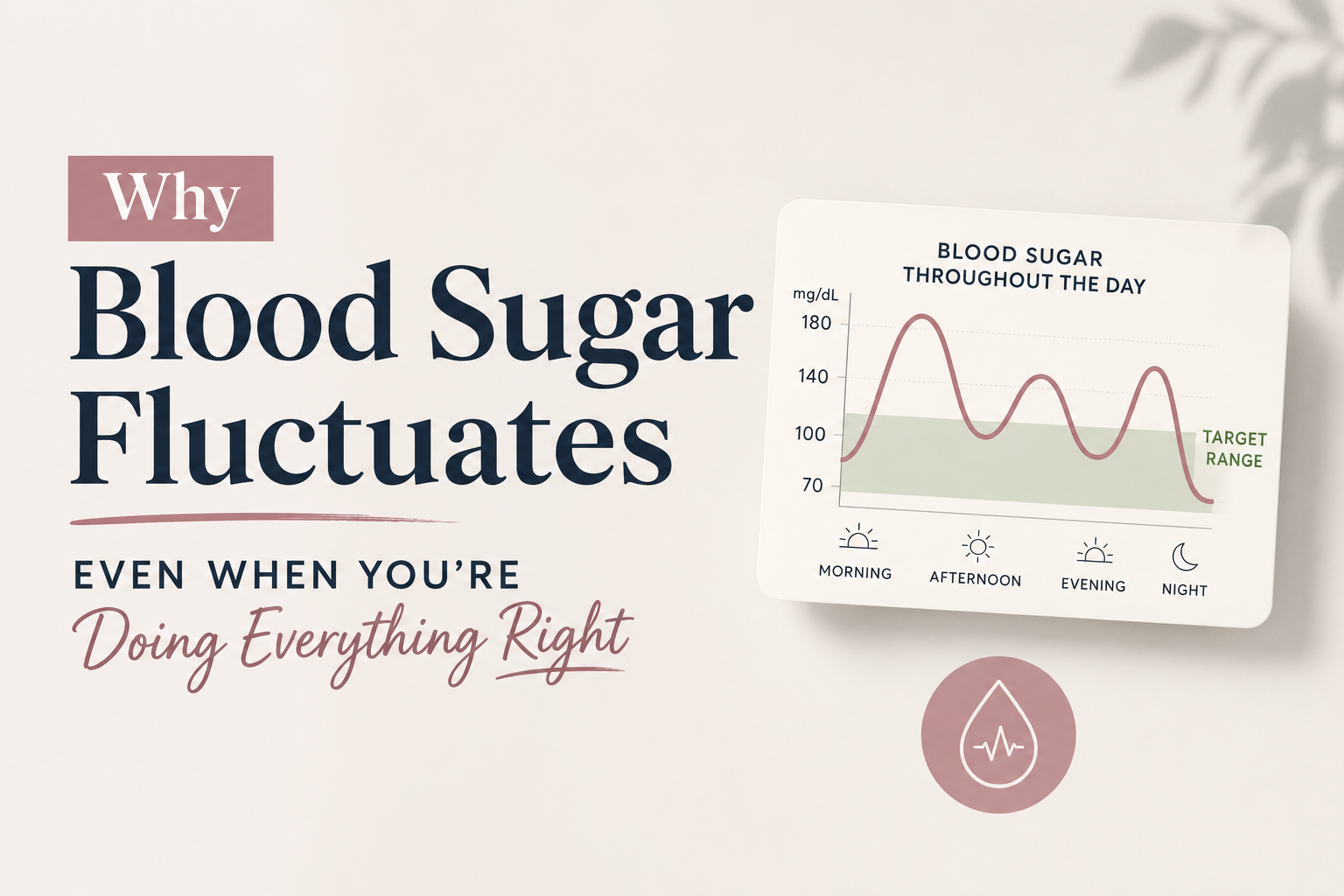
Why Blood Sugar Fluctuates Even You’re Doing Everything

Many people living with diabetes have experienced this situation.

You eat a balanced meal, take your medication as prescribed, stay active, and monitor your glucose regularly. Despite following your routine carefully, your blood sugar readings suddenly seem higher or lower than expected.

It can feel frustrating and confusing.

The reality is that blood sugar levels are influenced by far more than food alone. Stress, sleep quality, illness, hormones, hydration, physical activity, and even changes in daily routine can all affect glucose levels.

Understanding these factors can help you make sense of unexpected readings and focus on long-term patterns rather than isolated numbers.

Blood Sugar Naturally Changes Throughout the Day

Glucose levels are constantly moving up and down.

Even people without diabetes experience fluctuations as their bodies respond to meals, activity, sleep, and hormone changes. For people with diabetes, these changes may be more noticeable because the body cannot regulate glucose as efficiently.

This is why healthcare professionals often encourage people to focus on trends rather than individual readings.

A single blood sugar result only tells you what is happening at one moment in time. Looking at patterns over several days or weeks provides a much clearer picture of overall diabetes management.

Stress Can Affect Blood Sugar More Than You Think

Many people associate high blood sugar with food, but emotional stress can have a significant impact as well.

When you feel stressed, your body releases hormones such as cortisol and adrenaline. These hormones trigger the release of stored glucose into the bloodstream so the body has access to quick energy.

As a result, blood sugar levels may rise even when you have not eaten anything.

Common sources of stress include:

  • Work pressures
  • Financial concerns
  • Anxiety
  • Family responsibilities
  • Poor mental wellbeing

If your glucose readings seem unusually high during stressful periods, stress may be playing a larger role than you realise.

Sleep Quality Has a Direct Impact on Glucose Control

Sleep is one of the most overlooked factors in diabetes management.

When you do not get enough quality sleep, your body may become less responsive to insulin. This can make it harder to maintain stable blood sugar levels throughout the day.

Poor sleep may also contribute to:

  • Higher fasting glucose levels
  • Increased insulin resistance
  • Stronger cravings for sugary foods
  • Reduced energy levels

People who frequently wake up with elevated blood sugar readings should consider whether sleep quality may be contributing to the problem.

Exercise Does Not Always Lower Blood Sugar Immediately

Physical activity is one of the best tools for improving overall glucose management, but the relationship between exercise and blood sugar is not always straightforward.

Moderate activities such as walking, cycling, or swimming often help lower blood sugar levels. However, intense workouts can sometimes produce the opposite effect.

During high-intensity exercise, the body releases stress hormones that encourage the liver to release additional glucose. This may cause a temporary rise in blood sugar before levels eventually settle.

This response is completely normal and varies from person to person.

Hormonal Changes Can Influence Daily Readings

Hormones play an important role in glucose regulation.

Changes in hormone levels may affect insulin sensitivity and lead to unexpected blood sugar fluctuations.

Common situations include:

  • Menstrual cycles
  • Pregnancy
  • Menopause
  • Puberty
  • Growth hormone changes

Because hormonal shifts happen naturally, it is not unusual to see glucose patterns change even when your eating habits and medication routine remain the same.

Insulin Therapy

Although insulin is commonly associated with Type 1 diabetes, some people with Type 2 diabetes also require insulin treatment.

This may occur when:

  • Other medications are no longer effective
  • Blood sugar remains consistently high
  • The pancreas produces very little insulin

Modern insulin delivery systems and glucose monitoring technologies have made insulin management more convenient than ever.

Why Blood Sugar Monitoring Matters

Medication is only one part of diabetes management.

Regular blood sugar monitoring helps people understand:

  • How medications are working
  • How food affects glucose levels
  • Daily blood sugar patterns
  • Whether treatment adjustments may be needed

Many people in the UK use continuous glucose monitoring systems such as FreeStyle Libre to gain a clearer picture of glucose trends throughout the day and night.

Monitoring provides valuable information that supports both patients and healthcare professionals when making treatment decisions.

Final Verdict

Blood sugar fluctuations can occur even when you are following your diabetes management plan carefully. While food choices and medication are important, they are only part of the bigger picture. Stress, sleep quality, physical activity, illness, hydration, and hormonal changes can all influence glucose levels in ways that may not always be obvious.

Rather than becoming discouraged by an occasional unexpected reading, focus on identifying patterns over time. Regular monitoring, healthy lifestyle habits, and ongoing communication with your healthcare team can help you better understand what affects your blood sugar and make informed adjustments when needed.

Remember, occasional fluctuations do not mean you are failing. Diabetes management is a long-term journey, and understanding the many factors that influence glucose levels can help you stay confident and in control.

FAQS

  1. Why does my blood sugar fluctuate even when I eat well?
    Blood sugar levels are affected by many factors, including stress, sleep, hormones, illness, and physical activity—not just food.
  2. Can stress raise blood sugar?
    Yes. Stress hormones can cause the liver to release extra glucose into the bloodstream, leading to higher readings.
  3. Does lack of sleep affect blood sugar levels?
    Yes. Poor sleep can increase insulin resistance and make blood sugar harder to control.
  4. Why does exercise sometimes increase blood sugar?
    High-intensity exercise can trigger stress hormones that temporarily raise blood sugar levels.
  5. Can hormonal changes affect glucose control?
    Yes. Hormonal fluctuations during puberty, menstruation, pregnancy, and menopause can impact blood sugar levels.
Share:

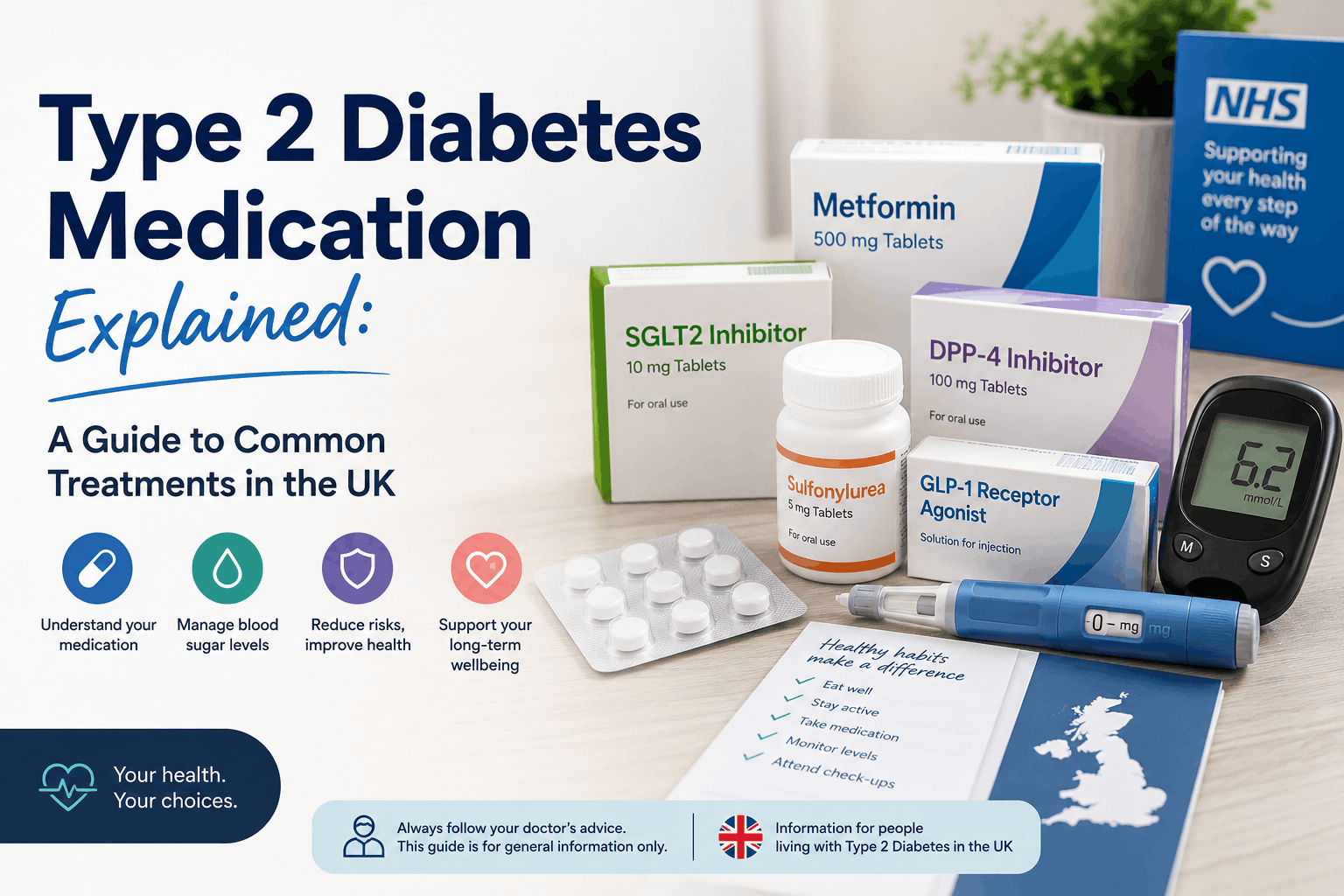
Type 2 Diabetes Medication Explained

Managing Type 2 diabetes involves more than simply monitoring blood sugar levels.

For many people in the UK, medication plays an important role in helping maintain healthy glucose levels, reducing the risk of complications, and supporting long-term health. While lifestyle changes such as healthy eating and regular exercise remain essential, diabetes medication is often needed when blood sugar cannot be adequately controlled through lifestyle measures alone.

Understanding how different diabetes medications work can help people feel more confident about their treatment plans and make informed decisions alongside their healthcare team.

Why Medication May Be Needed

Type 2 diabetes develops when the body becomes resistant to insulin or does not produce enough insulin to keep blood sugar levels within a healthy range.

Over time, high blood sugar can increase the risk of:

  • Heart disease
  • Stroke
  • Kidney disease
  • Nerve damage
  • Eye complications

Medication helps improve blood sugar control and reduce the likelihood of these long-term complications.

The type of medication prescribed depends on factors such as age, overall health, blood sugar levels, weight, and other medical conditions.

Metformin: The Most Common First-Line Treatment

In the UK, metformin is often the first medication prescribed for Type 2 diabetes.

Metformin works by:

  • Reducing glucose production in the liver
  • Improving insulin sensitivity
  • Helping the body use insulin more effectively

Many people take metformin alongside dietary improvements and physical activity.

Common side effects may include:

  • Nausea
  • Stomach discomfort
  • Diarrhoea

These side effects often improve as the body adjusts to treatment.

SGLT2 Inhibitors

SGLT2 inhibitors are increasingly used for people with Type 2 diabetes.

These medications help the kidneys remove excess glucose through urine.

Benefits may include:

  • Improved blood sugar control
  • Weight reduction
  • Cardiovascular benefits for some patients

Examples commonly prescribed in the UK include dapagliflozin and empagliflozin.

Healthcare professionals may recommend these medicines for people who also have heart disease or kidney concerns.

GLP-1 Receptor Agonists

GLP-1 receptor agonists help regulate blood sugar by:

  • Stimulating insulin release
  • Slowing stomach emptying
  • Reducing appetite

Some people experience weight loss while using these medications.

These treatments are often considered when blood sugar remains elevated despite other therapies or when weight management is an important treatment goal.

Sulfonylureas

Sulfonylureas work by encouraging the pancreas to release more insulin.

They may be prescribed when additional blood sugar control is needed.

Examples include:

  • Gliclazide
  • Glimepiride

Because these medications can sometimes cause low blood sugar, regular monitoring is important.

Insulin Therapy

Although insulin is commonly associated with Type 1 diabetes, some people with Type 2 diabetes also require insulin treatment.

This may occur when:

  • Other medications are no longer effective
  • Blood sugar remains consistently high
  • The pancreas produces very little insulin

Modern insulin delivery systems and glucose monitoring technologies have made insulin management more convenient than ever.

Why Blood Sugar Monitoring Matters

Medication is only one part of diabetes management.

Regular blood sugar monitoring helps people understand:

  • How medications are working
  • How food affects glucose levels
  • Daily blood sugar patterns
  • Whether treatment adjustments may be needed

Many people in the UK use continuous glucose monitoring systems such as FreeStyle Libre to gain a clearer picture of glucose trends throughout the day and night.

Monitoring provides valuable information that supports both patients and healthcare professionals when making treatment decisions.

Lifestyle Still Matters

Even when medication is prescribed, healthy lifestyle habits remain important.

Key areas include:

  • Balanced nutrition
  • Regular physical activity
  • Quality sleep
  • Stress management
  • Maintaining a healthy weight

Medication works best when combined with long-term healthy habits.

Common Medication Questions

Many people worry about starting diabetes medication.

Some common concerns include:

  • Will I need medication forever?
  • Can medication replace healthy eating?
  • What happens if my blood sugar improves?

Treatment plans can change over time. Some people require additional medication, while others may reduce medications if blood sugar improves significantly through lifestyle changes.

Every situation is different, which is why regular medical reviews are important.

Final Verdict

Type 2 diabetes medications play an important role in helping many people achieve healthier blood sugar levels and reduce the risk of long-term complications.

From metformin and SGLT2 inhibitors to GLP-1 therapies and insulin, there are now more treatment options available than ever before.

The most effective diabetes management plans combine medication, regular monitoring, and healthy lifestyle habits. Working closely with your healthcare team can help ensure your treatment remains safe, effective, and tailored to your individual needs.

FAQS

  1. What is the most common diabetes medication in the UK?
    Metformin is typically the first medication prescribed for many people with Type 2 diabetes.
  2. Can diabetes medication cure Type 2 diabetes?
    No. Medication helps manage blood sugar levels but does not cure diabetes.
  3. Do all people with Type 2 diabetes need medication?
    Not always. Some people can manage blood sugar through lifestyle changes, while others require medication to achieve target glucose levels.
  4. What happens if diabetes medication does not work?
    Healthcare professionals may adjust dosages, add another medication, or recommend alternative treatments.
  5. Why should I monitor my blood sugar while taking medication?
    Monitoring helps assess how well treatment is working and provides valuable information for ongoing diabetes management.
Share:

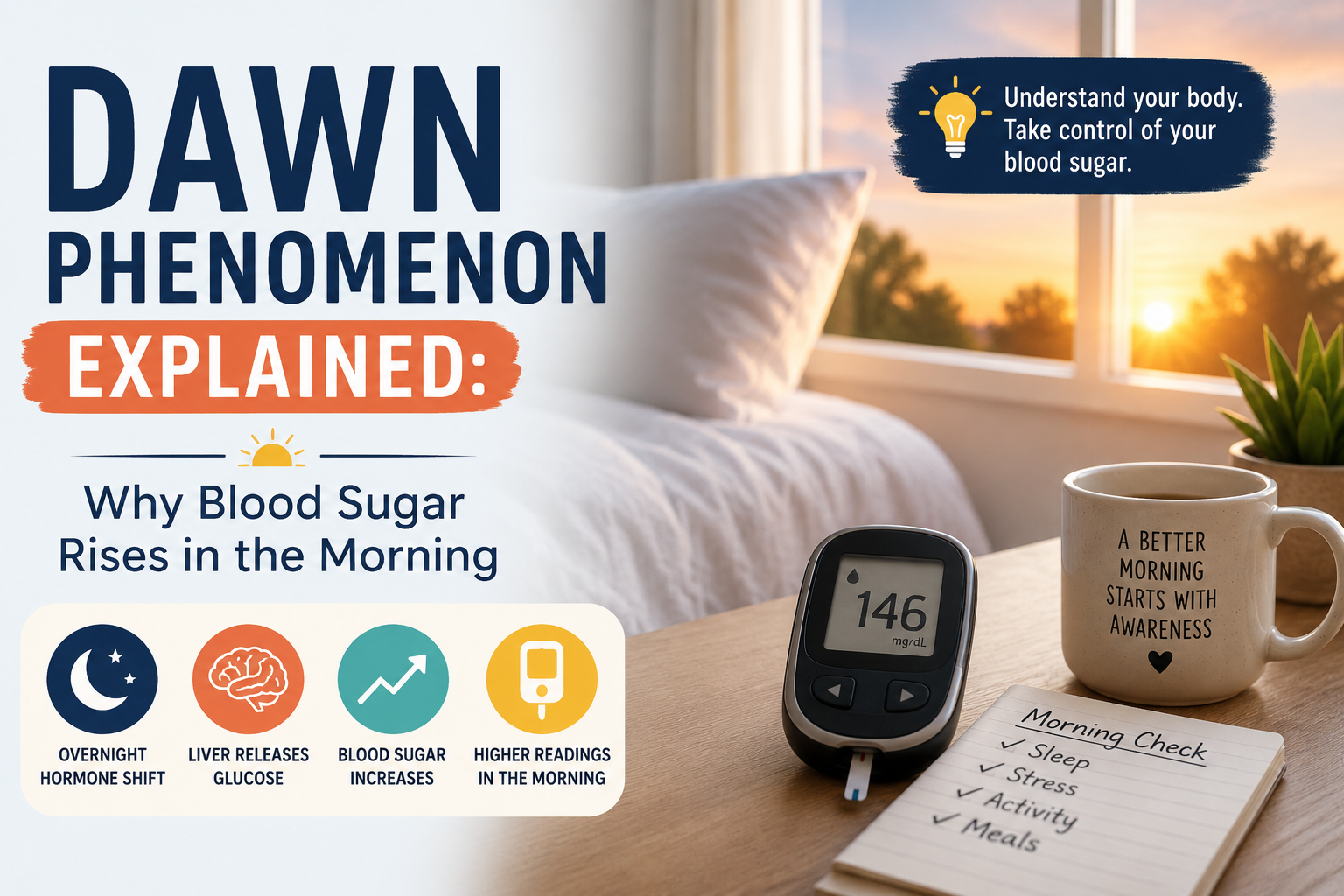
Dawn Phenomenon Explained: Why Blood Sugar Rises in the Morning

Many people with diabetes are surprised to wake up with higher blood sugar levels even when they have not eaten anything overnight.

You may go to bed with glucose levels in your target range, only to discover elevated readings first thing in the morning. This common occurrence is known as the dawn phenomenon.

The dawn phenomenon affects many people with Type 1 diabetes, Type 2 diabetes, and even some individuals with prediabetes. Understanding why it happens can help you manage morning blood sugar levels more effectively and identify patterns that may affect your overall diabetes control.

What Is the Dawn Phenomenon?

The dawn phenomenon refers to a natural rise in blood sugar that occurs in the early morning hours, usually between 3 a.m. and 8 a.m.

During this time, the body releases hormones that prepare you to wake up and start the day.

These hormones include:

  • Cortisol
  • Growth hormone
  • Adrenaline
  • Glucagon

While these hormones serve important functions, they can also cause the liver to release stored glucose into the bloodstream.

In people without diabetes, insulin production typically increases to keep glucose levels stable. However, people with diabetes may not produce enough insulin or may experience insulin resistance, resulting in higher morning blood sugar readings.

Why Does Blood Sugar Rise Overnight?

The body needs energy to prepare for waking and becoming active.

To provide that energy, the liver releases glucose while certain hormones temporarily reduce insulin effectiveness.

This combination can lead to elevated glucose levels before breakfast, even when no food has been consumed.

For many people, this increase is completely unrelated to what they ate the night before.

One of the safest first steps is increasing water intake.

Hydration helps the body flush excess glucose through urine while reducing dehydration caused by high blood sugar levels. Avoid sugary drinks, energy drinks, and fruit juices during hyperglycaemia episodes.

Staying hydrated is especially important if glucose levels remain elevated for several hours.

Dawn Phenomenon vs. Somogyi Effect

The dawn phenomenon is often confused with the Somogyi effect.

Although both can result in high morning blood sugar, they occur for different reasons.

The dawn phenomenon is caused by natural hormonal changes that increase glucose production.

The Somogyi effect occurs when blood sugar drops too low during the night, causing the body to release stress hormones that trigger a rebound rise in glucose levels.

Continuous glucose monitoring can help distinguish between these two situations by showing overnight glucose patterns.

Common Signs of the Dawn Phenomenon

Many people do not experience symptoms and only discover the issue through glucose monitoring.

Others may notice:

  • High fasting blood sugar
  • Consistently elevated morning readings
  • Difficulty reaching glucose targets
  • Higher HbA1c levels despite good daytime control

Tracking glucose trends over several days often helps identify recurring morning increases.

How Continuous Glucose Monitoring Can Help

Continuous glucose monitoring systems make it much easier to identify overnight glucose patterns.

Rather than relying on a single morning reading, CGM devices provide a detailed picture of glucose trends throughout the night.

This information helps users determine:

  • When blood sugar begins rising
  • How long the increase lasts
  • Whether overnight lows are occurring
  • How different routines affect glucose levels

Many people use FreeStyle Libre sensors to monitor overnight glucose changes and better understand the impact of the dawn phenomenon.

Factors That Can Make Morning Blood Sugar Higher

Several lifestyle and health factors may contribute to higher morning glucose readings.

These can include:

  • Poor sleep quality
  • Stress
  • Late-night eating
  • Insufficient diabetes medication
  • Lack of physical activity
  • Illness or infection

While the dawn phenomenon is a natural process, these factors may make its effects more noticeable.

Can You Reduce the Dawn Phenomenon?

Managing the dawn phenomenon often involves understanding personal glucose patterns and working with a healthcare professional to adjust treatment plans if needed.

Strategies may include:

  • Reviewing evening meal choices
  • Increasing physical activity
  • Improving sleep habits
  • Adjusting medication timing
  • Monitoring glucose trends more closely

Because everyone responds differently, individualized management is usually most effective.

Why Morning Monitoring Matters

Morning glucose readings provide valuable information about overnight blood sugar control.

Consistently elevated fasting readings may indicate:

  • Dawn phenomenon
  • Medication issues
  • Lifestyle factors affecting glucose
  • Changes in insulin sensitivity

Identifying the cause can help improve long-term diabetes management and support healthier glucose levels throughout the day.

Helpful Diabetes Resources

Many people find additional education helpful when managing blood sugar fluctuations.

Useful resources include:

  • Diabetes Blog
  • Blood Sugar Monitoring Guides
  • FreeStyle Libre Education Articles
  • CGM Usage Tips

Learning how daily habits affect glucose can make it easier to manage patterns like the dawn phenomenon.

Final Verdict

The dawn phenomenon is a common reason why blood sugar levels rise in the morning, even without eating overnight.

It occurs because the body naturally releases hormones that increase glucose production before waking. For people with diabetes, this process can lead to higher fasting blood sugar readings.

Understanding your overnight glucose patterns is one of the most effective ways to identify and manage the dawn phenomenon.

With regular monitoring, healthy lifestyle habits, and guidance from your healthcare team, morning blood sugar spikes can often be managed more effectively.

FAQS

  1. What is the dawn phenomenon?
    The dawn phenomenon is a natural increase in blood sugar that occurs during the early morning hours due to hormone release.
  2. What time does the dawn phenomenon happen?
    It usually occurs between 3 a.m. and 8 a.m.
  3. Does everyone with diabetes experience the dawn phenomenon?
    No, but it is common among people with both Type 1 and Type 2 diabetes.
  4. How can I tell if I have the dawn phenomenon?
    Continuous glucose monitoring or overnight blood sugar testing can help identify recurring morning glucose increases.
  5. Can the dawn phenomenon be prevented?
    While it may not always be completely prevented, monitoring glucose trends and adjusting lifestyle or treatment strategies may help reduce its impact.
Share:

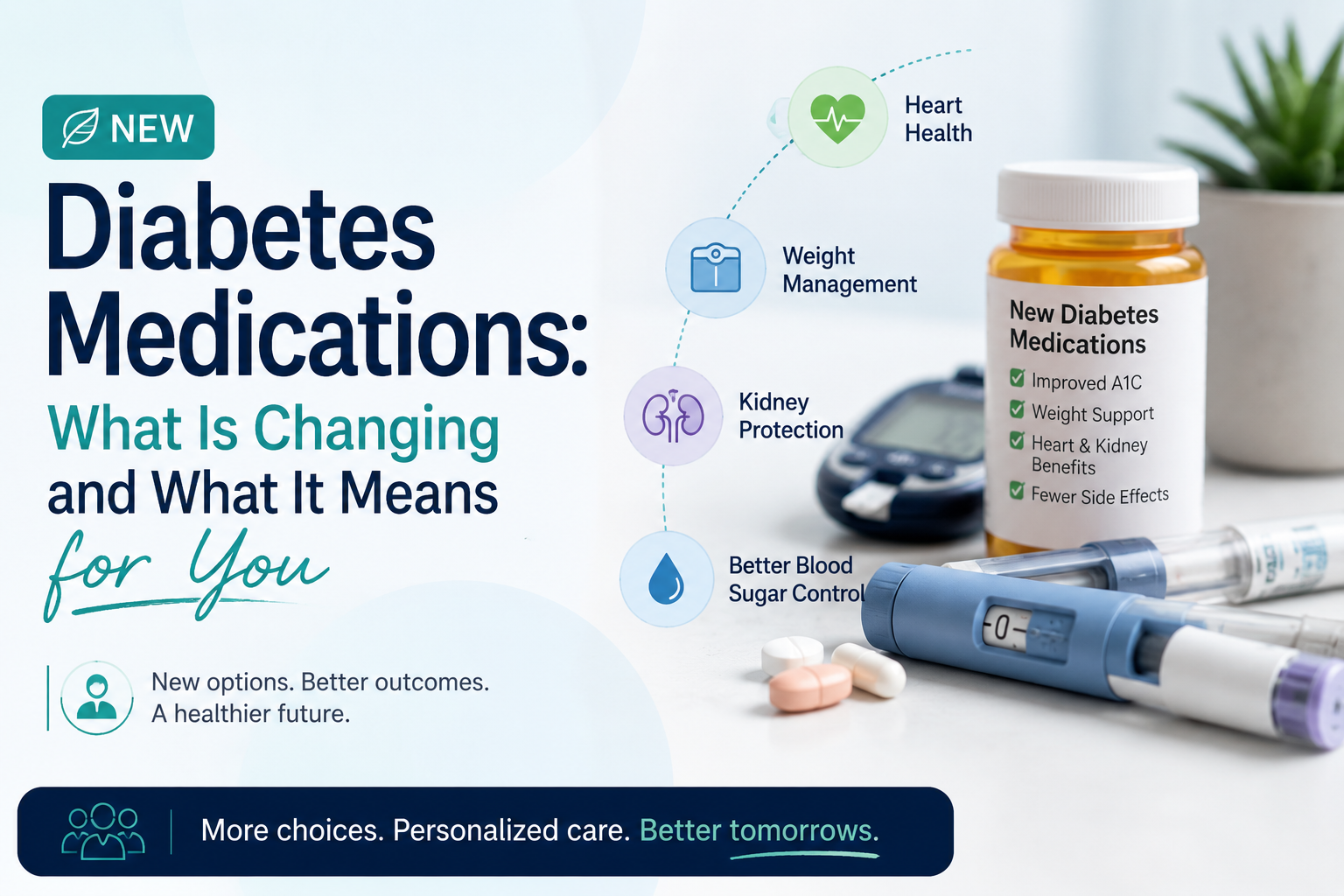
New Diabetes Medications in 2026: What Is Changing and What It Means for You

2026 is shaping up to be one of the most significant years in diabetes treatment in over a decade. New NICE guidance published in February 2026 has fundamentally changed how type 2 diabetes is treated in the UK, moving away from a one-size-fits-all approach based on metformin alone to a more personalised treatment pathway that prioritises heart and kidney protection alongside blood sugar control.

For the estimated 4.3 million people living with type 2 diabetes in the UK, and the many more managing type 1 diabetes or prediabetes, understanding what is changing, which medications are being offered earlier, and what the new treatment pathways mean in practice is genuinely important. This guide brings together the key changes in clear, accessible language.

The Biggest Change in 2026: New NICE Guidance for Type 2 Diabetes

For most of the past two decades, the standard starting point for newly diagnosed type 2 diabetes in the UK was a single medication: metformin. It controlled blood sugar effectively, it was inexpensive, and it was well understood. For many people, it worked well for years.

NICE guidance published in February 2026 has now changed this. Most people newly diagnosed with type 2 diabetes should now be offered metformin alongside an SGLT-2 inhibitor from the start of treatment, rather than being started on metformin alone and waiting to see if additional medication is needed later.

NICE’s analysis suggests that using SGLT-2 medicines earlier in the treatment pathway, combined with the introduction of GLP-1 receptor agonists and tirzepatide for some people, could prevent around 17,000 deaths over a three-year period across the UK by reducing the risk of heart attacks, strokes, and kidney problems.

This is a substantial shift. The change reflects a growing body of clinical evidence showing that the benefits of these newer medications go well beyond blood sugar control. They protect the heart and kidneys in ways that older diabetes medications do not, and starting them earlier produces better long-term outcomes.

SGLT-2 Inhibitors: Now a First-Line Treatment

What Are SGLT-2 Inhibitors?

SGLT-2 inhibitors, also called gliflozins, are a class of medication that work by causing the kidneys to remove excess glucose from the body through urine. They lower blood sugar without causing hypoglycaemia and have been shown in large clinical trials to significantly reduce the risk of heart failure hospitalisation and slow the progression of chronic kidney disease.

Common SGLT-2 inhibitors prescribed in the UK include dapagliflozin, empagliflozin, canagliflozin, and ertugliflozin.

What Has Changed

Previous NICE guidance recommended treatment only with metformin as the first step for most newly diagnosed type 2 diabetes patients. The new 2026 guidance moves SGLT-2 inhibitors from a second-choice treatment to a first-choice treatment for most people with type 2 diabetes.

These guidelines propose expanding access to newer diabetes medicines called SGLT-2 inhibitors from being second-choice treatments to first-choice treatments. Type 2 diabetes is complex and the new guidelines recommend that treatment is more individualised based on people’s clinical needs and their specific circumstances.

The Impact of Generic Dapagliflozin

One of the most practically significant developments accompanying the new guidance is the availability of a generic version of dapagliflozin, one of the most widely prescribed SGLT-2 inhibitors.

The NHS is set to save millions of pounds because dapagliflozin is now available as a clinically equivalent generic version. The estimated cumulative savings for 2025 to 2026 and 2026 to 2027 from generic dapagliflozin would be £560 million.

From September 2026, prescriptions of dapagliflozin are likely to rise in number by 230 percent to treat 2.4 million people. This is a strong example of how replacing end-of-patent medicines with generic ones can increase patient access significantly while still saving the NHS money.

In practical terms, this means that far more people with type 2 diabetes will be able to access SGLT-2 inhibitor treatment at NHS cost, and the savings generated will allow reinvestment into other areas of diabetes care.

Who Benefits Most From SGLT-2 Inhibitors

The 2026 update emphasises a personalised rather than one-size-fits-all approach, with specific protocols for high-risk and vulnerable cohorts. For renal impairment, patients with an estimated glomerular filtration rate above 30 mL per min per 1.73 m squared receive standard combination therapy. For those with an estimated glomerular filtration rate between 20 and 30 mL per min per 1.73 m squared, the guidance recommends dapagliflozin or empagliflozin in combination with a DPP-4 inhibitor.

People who already have kidney disease or heart failure have tailored recommendations, with SGLT-2 inhibitors offering particular benefits for protecting their kidneys and heart.

GLP-1 Receptor Agonists: Wider Access for More People

What Are GLP-1 Receptor Agonists?

GLP-1 receptor agonists are a class of injectable medications that mimic the action of a natural gut hormone called glucagon-like peptide 1. They stimulate the body to produce more insulin when blood sugar is high, suppress appetite, slow the emptying of the stomach, and reduce the production of glucagon, a hormone that raises blood sugar.

Current GLP-1 receptor agonists prescribed in the UK for type 2 diabetes include semaglutide (Ozempic), liraglutide (Victoza), and dulaglutide (Trulicity). They are administered by weekly or daily injection and have demonstrated significant benefits for blood sugar control, weight reduction, and cardiovascular outcomes in large clinical trials.

What Has Changed in 2026

Access to GLP-1 receptor agonists, such as semaglutide, dulaglutide, and liraglutide, and the related medicine tirzepatide, has been significantly expanded in the 2026 guidance. Around 810,000 more people could become eligible as a result of the expanded criteria.

People diagnosed with type 2 diabetes before the age of 40 face a higher lifetime risk of heart and kidney problems, so may benefit from adding a GLP-1 receptor agonist or tirzepatide. People living with obesity have specific recommendations that take account of their needs.

The guidance elevates GLP-1 receptor agonists like semaglutide and the dual GLP-1 and GIP receptor agonist tirzepatide within the treatment pathway. Earlier use of these medications, often alongside metformin and SGLT-2 inhibitors, is now recommended for people with atherosclerotic cardiovascular disease, obesity, or early-onset type 2 diabetes, where weight reduction and cardiovascular risk modification are priorities.

Who Is Now Eligible for GLP-1 Therapy

Under the new 2026 NICE guidance, GLP-1 receptor agonists are now recommended for:

People with type 2 diabetes who have established cardiovascular disease caused by blocked arteries, where the cardiovascular protective effect of GLP-1 therapy adds significant value alongside blood sugar control.

People diagnosed with type 2 diabetes before the age of 40, who face a disproportionately high lifetime burden of cardiovascular and renal complications and who stand to benefit more from earlier escalation to these medicines.

People living with obesity alongside type 2 diabetes, where the appetite-suppressing and weight-reducing properties of GLP-1 therapy address two aspects of the condition simultaneously.

If you fall into any of these categories and are not currently prescribed a GLP-1 receptor agonist, speaking to your GP or diabetes nurse about whether you are now eligible under the new guidance is worth doing at your next appointment.

Tirzepatide (Mounjaro): The Dual-Action Medicine Expanding Access

What Is Tirzepatide?

Tirzepatide, sold under the brand name Mounjaro in the UK, is a once-weekly injectable medication that acts on two separate hormonal pathways simultaneously. It is a dual GLP-1 and GIP receptor agonist, meaning it activates both the GLP-1 pathway that existing medications like semaglutide act on, and a second pathway involving the glucose-dependent insulinotropic polypeptide hormone.

The dual GLP-1 and GIP mechanism generally produces stronger HbA1c reduction and weight reduction than semaglutide head to head, making it one of the most effective diabetes and obesity medications currently available.

Tirzepatide for Type 2 Diabetes in 2026

Tirzepatide is licensed for type 2 diabetes and prescribed in NHS diabetes services where it fits NICE treatment criteria, typically after metformin and as an alternative to other GLP-1 agonists such as semaglutide and liraglutide.

NHS eligibility for tirzepatide in type 2 diabetes requires inadequate glycaemic control despite existing treatment, with continuation dependent on achieving at least an 11 mmol per mol HbA1c reduction and 3 percent weight loss at six months.

Tirzepatide for Obesity Management in 2026

Tirzepatide has also received NICE approval for weight management in people with obesity, under NICE technology appraisal TA1026. This pathway is relevant for many people with type 2 diabetes who also live with obesity, as the conditions frequently coexist.

NICE has confirmed that NHS Mounjaro will be available to 250,000 patients with obesity over the next three years from 2025 to 2028, prioritising those with the highest BMIs and obesity-related health complications.

From 1 April 2026, NHS England confirmed that prescribing of tirzepatide for obesity would be incorporated into the 2026 to 2027 GP contract through new Quality and Outcomes Framework indicators.

The phased rollout continues through 2027, with three cohorts determining access. Cohort 2, covering patients with a BMI between 35 and 39.9, is due to begin in June 2026, and Cohort 3, covering patients with a BMI of 40 or above with three qualifying conditions, is set to begin in April 2027. All NHS tirzepatide prescriptions require mandatory engagement with behavioural support.

Supporting Your Diabetes Management in 2026

The 2026 NICE guidance changes will take time to translate from national policy into individual GP consultations and updated prescriptions. In the meantime, the most practical steps any person with type 2 diabetes can take are to attend their regular diabetes reviews, to raise the question of whether the new guidance changes their eligibility for any medication, and to ensure their blood sugar monitoring gives them and their care team the information needed to make good decisions.

For those who self-fund their diabetes monitoring supplies, Diabetes Pharmacy UK stocks a comprehensive range of CGM sensors, glucose meters, test strips, lancets, and accessories at competitive UK prices with fast delivery.

Key products to support your monitoring in 2026:

What These Changes Mean for People With Type 2 Diabetes

If You Were Recently Diagnosed

If you have been diagnosed with type 2 diabetes in 2026 or if your diagnosis is relatively recent, you may now be offered a combination of modified-release metformin and an SGLT-2 inhibitor from the start rather than being started on metformin alone.

Medicines should be introduced stepwise, beginning with metformin to assess tolerability before adding SGLT-2 inhibitors. Healthcare providers must assess diabetic ketoacidosis risk factors before SGLT-2 inhibitor initiation and implement appropriate safety protocols.

If you have not yet had a conversation about SGLT-2 inhibitors with your GP or diabetes care team, raising the subject at your next review is worthwhile. The new guidance gives your GP clear grounds to add these medications at an earlier stage of treatment.

If You Were Diagnosed With Type 2 Diabetes Before Age 40

People with early-onset diabetes, diagnosed before age 40, face higher lifetime cardiovascular and renal risk and may benefit from earlier escalation to a GLP-1 receptor agonist or tirzepatide.

If you were diagnosed young and are not currently on a GLP-1 receptor agonist, asking your GP whether you are now eligible under the new guidance is an important step. The earlier lifetime risk profile that applies to early-onset type 2 diabetes is precisely the situation the expanded eligibility criteria are designed to address.

If You Live With Both Obesity and Type 2 Diabetes

The 2026 guidance recognizes that obesity and type 2 diabetes frequently coexist and that treating both conditions simultaneously produces better outcomes than treating them sequentially. If you have both conditions and are not currently on a GLP-1 receptor agonist or tirzepatide, the expanded eligibility criteria mean that more people in this situation are now eligible for these medications.

If You Have Kidney Disease or Heart Disease Alongside Type 2 Diabetes

SGLT-2 inhibitors have demonstrated particularly strong benefits for people with chronic kidney disease and heart failure alongside type 2 diabetes. The cardioprotective and renoprotective effects documented in large cardiovascular outcome trials were a primary driver of the decision to move these medications to first-line status in the new NICE guidance.

If you have kidney disease or heart failure and are not currently prescribed an SGLT-2 inhibitor, discussing your eligibility with your GP is an important conversation to have in 2026.

Monitoring Your Blood Sugar Alongside New Medications

Any change in diabetes medication requires careful monitoring of blood sugar levels in the period following the change. Understanding how a new medication is affecting your glucose levels, identifying patterns across the day, and responding appropriately to high or low readings all depend on having reliable and accessible monitoring.

Continuous Glucose Monitoring

For people on insulin or those whose care team has recommended continuous glucose monitoring, CGM sensors offer the most detailed and convenient picture of blood glucose trends. Rather than a single reading taken at a specific moment, CGM provides a continuous stream of readings that shows how glucose is moving throughout the day and night, which is particularly useful when a new medication is being introduced.

The FreeStyle Libre 2 is one of the most widely used CGM systems in the UK. Worn on the upper arm for up to 14 days, it provides real-time glucose readings through the FreeStyle LibreLink app and optional high and low glucose alerts, without the need for routine finger prick testing.

The FreeStyle Libre 3 is Abbott’s most advanced sensor, offering continuous automatic glucose readings sent directly to a smartphone every minute without needing to scan. For people starting new medications and wanting the most complete picture of how their glucose is responding, the Libre 3 provides that level of detail continuously and discreetly.

For those who prefer to stock up: the Abbott FreeStyle Libre 2 Sensor 4-Pack offers the most cost-effective approach for self-funding users who use sensors continuously.

For Dexcom users, the Dexcom ONE Sensor 3-Pack provides 30 days of continuous real-time glucose monitoring with automatic five-minute readings and alerts sent directly to a smartphone.

Blood Glucose Meters for Calibration and Verification

Even with a CGM in place, there are moments when a traditional finger-prick reading provides a useful verification, particularly during the early weeks of a new medication when readings may fluctuate more than usual, or when sensor readings do not align with physical symptoms.

The Accu-Chek FastClix Lancing Device is one of the most comfortable and convenient lancing devices available in the UK, with a six-lancet drum system that minimises handling and a wide range of depth settings for different skin types.

For test strips to use alongside a traditional glucose meter, Accu-Chek Aviva Test Strips are widely available and compatible with the full range of Accu-Chek Aviva meters.

GlucoRx Sterile Lancets in a 200-pack provide a cost-effective supply of ultra-fine 30-gauge lancets suitable for most standard lancing devices and ideal for people who check their glucose regularly as a backup to CGM.

FAQs

  1. What are the newest diabetes medications available in 2026?
    The newest and most widely discussed diabetes medications in 2026 include SGLT-2 inhibitors, GLP-1 receptor agonists, and tirzepatide (Mounjaro). These medications not only improve blood sugar control but also support weight loss, heart health, and kidney protection.
  2. What changed in the 2026 NICE diabetes guidelines?
    The 2026 NICE guidelines recommend a more personalised treatment approach for type 2 diabetes. Many patients are now advised to start treatment with both metformin and an SGLT-2 inhibitor earlier instead of relying on metformin alone.
  3. What are SGLT-2 inhibitors used for?
    SGLT-2 inhibitors help lower blood sugar by removing excess glucose through urine. They are also used to reduce the risk of heart failure, protect kidney function, and support long-term cardiovascular health in people with type 2 diabetes.
  4. Which SGLT-2 inhibitors are commonly prescribed in the UK?
    Common SGLT-2 inhibitors prescribed in the UK include dapagliflozin, empagliflozin, canagliflozin, and ertugliflozin.
  5. Who qualifies for GLP-1 therapy in 2026?
    People with type 2 diabetes who also have obesity, cardiovascular disease, or were diagnosed before age 40 may now qualify for GLP-1 medications under updated NICE guidance.
Share:

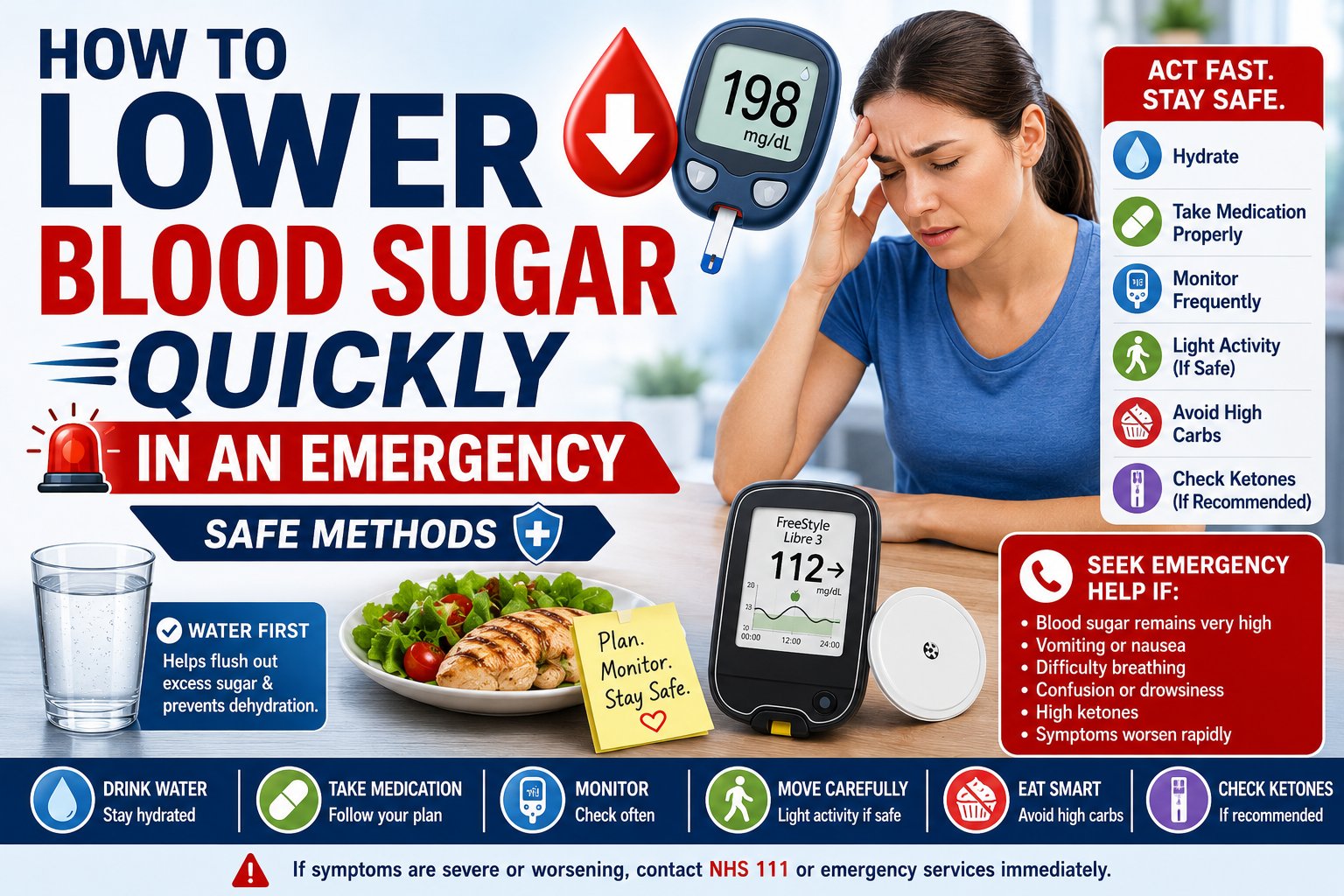
How to Lower Blood Sugar Quickly in an Emergency (Safe Methods)

High blood sugar can sometimes rise suddenly and become dangerous if not managed properly. While mild increases may improve with routine diabetes management, extremely high glucose levels can require immediate action and medical attention.

Understanding how to lower blood sugar quickly in an emergency safely is important for people managing diabetes in the UK. The goal is not to panic or attempt unsafe “quick fixes,” but to respond carefully and monitor symptoms closely.

What Counts as a Blood Sugar Emergency?

A blood sugar emergency usually involves significantly elevated glucose levels combined with symptoms such as:

  • Extreme thirst
  • Frequent urination
  • Blurred vision
  • Fatigue
  • Nausea
  • Confusion
  • Shortness of breath

Very high blood sugar levels can increase the risk of diabetic ketoacidosis (DKA) or hyperosmolar hyperglycaemic state (HHS), both of which require urgent medical care.

The NHS advises seeking urgent medical attention if severe symptoms appear alongside high glucose readings.

1. Drink Water Immediately

One of the safest first steps is increasing water intake.

Hydration helps the body flush excess glucose through urine while reducing dehydration caused by high blood sugar levels. Avoid sugary drinks, energy drinks, and fruit juices during hyperglycaemia episodes.

Staying hydrated is especially important if glucose levels remain elevated for several hours.

2. Take Prescribed Diabetes Medication Properly

If you use insulin or prescribed diabetes medication, follow your healthcare provider’s instructions carefully.

Never take extra medication without medical guidance. Overcorrecting blood sugar too aggressively can lead to hypoglycaemia, which creates additional risks.

If glucose levels continue rising despite medication, contact your diabetes team or NHS 111.

3. Monitor Blood Sugar Frequently

Frequent monitoring is extremely important during high blood sugar episodes.

Continuous glucose monitoring systems help users track trends and respond more safely. Many people in the UK use FreeStyle Libre sensors to monitor real-time glucose changes more effectively.

4. Go for Light Physical Activity Carefully

Light activity such as walking may help lower blood sugar levels for some people.

However, exercise should be avoided if:

  • Ketones are present
  • Blood sugar is extremely high
  • You feel unwell or dizzy

Exercising during severe hyperglycaemia can sometimes worsen the situation, especially in Type 1 diabetes.

5. Avoid High-Carbohydrate Foods

During emergency high blood sugar episodes, avoid:

  • Sugary snacks
  • Sweet drinks
  • Refined carbohydrates
  • Large meals

Instead, focus on hydration and follow your prescribed diabetes management plan.

6. Check for Ketones if Recommended

People with Type 1 diabetes may need to check ketone levels during severe hyperglycaemia.

High ketone levels combined with elevated blood sugar can indicate diabetic ketoacidosis, which requires immediate medical care.

Do not ignore symptoms such as vomiting, abdominal pain, rapid breathing, or confusion.

Why Continuous Monitoring Helps During Emergencies

CGM systems help users understand whether glucose levels are:

  • Rising quickly
  • Stabilising
  • Falling safely

This trend information is often more useful than isolated finger-prick readings during emergencies.

Many UK users purchase sensors and diabetes management supplies through Diabetes Pharmacy UK.

Useful Product Links

When to Seek Emergency Medical Help

Seek urgent medical attention immediately if:

  • Blood sugar remains dangerously high
  • Vomiting develops
  • Breathing becomes difficult
  • Confusion appears
  • Ketones are high
  • Symptoms worsen rapidly

In the UK, contact NHS 111 or emergency services if severe symptoms develop.

Common Mistakes to Avoid

During blood sugar emergencies, avoid:

  • Taking excessive insulin without advice
  • Drinking sugary beverages
  • Ignoring symptoms
  • Exercising aggressively
  • Waiting too long to seek help

Safe and controlled correction is always better than rushing.

Final Verdict

During blood sugar emergencies, avoid:

  • Taking excessive insulin without advice
  • Drinking sugary beverages
  • Ignoring symptoms
  • Exercising aggressively
  • Waiting too long to seek help

Safe and controlled correction is always better than rushing.

FAQS

  1. What is considered dangerously high blood sugar?
    Very high blood sugar levels combined with symptoms such as vomiting, confusion, or breathing difficulties may require emergency treatment.
  2. Can drinking water lower blood sugar?
    Water helps hydration and may assist the body in flushing excess glucose through urine.
  3. Should I exercise with very high blood sugar?
    Not always. Exercise can sometimes worsen hyperglycaemia if ketones are present or glucose levels are extremely high.
  4. Why is CGM useful during high blood sugar episodes?
    CGM systems show glucose trends in real time, helping users monitor changes more effectively.
  5. When should I seek emergency help for high blood sugar?
    Seek urgent medical attention if symptoms worsen, ketones are high, or glucose levels remain dangerously elevated.
Share:

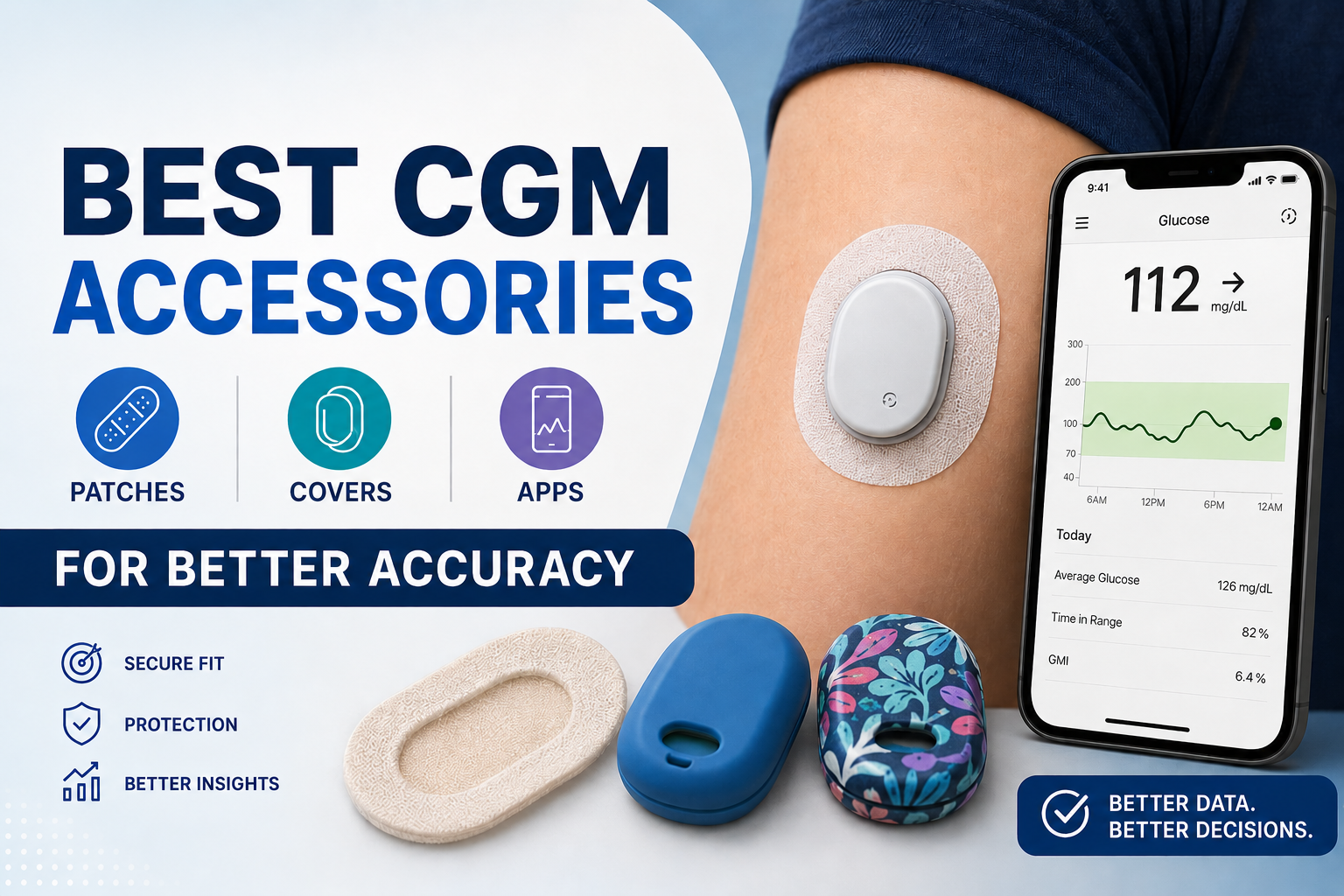
Best CGM Accessories (Patches, Covers & Apps) for Better Accuracy in 2026

Living with diabetes means relying on your Continuous Glucose Monitor (CGM) day and night through showers, workouts, sleep, and everyday life. However, having the right CGM device is only part of the equation. The accessories you use alongside it can significantly improve sensor accuracy, comfort, and durability.

In this guide, we explore the best CGM accessories available in the UK, from adhesive patches and protective covers to companion apps, helping you get the most from your glucose monitoring system.

What Are CGM Accessories and Why Do They Matter?

CGM accessories are products designed to enhance, protect, and extend the performance of your continuous glucose monitoring device. They include:

  • Adhesive patches and overpatches — to keep your sensor securely in place
  • Protective sensor covers and cases — to shield your device from physical damage
  • CGM companion apps — to enhance data visibility, share readings, and improve decision-making

Using the right accessories can directly impact your CGM’s accuracy. A sensor that lifts at the edges, gets knocked out of position, or is worn on irritated skin can give inconsistent readings. Investing in the right accessories is one of the simplest ways to protect your CGM data — and your health.

Section 1: Best CGM Adhesive Patches & Overpatches

Why CGM Patches Matter for Accuracy

CGM sensors must remain firmly attached to the skin to provide accurate interstitial glucose readings. When a sensor starts peeling or moving, readings can become unreliable. Adhesive overpatches reinforce the original adhesive and help keep your sensor secure throughout its full wear period.

What to Look for in a CGM Patch

Before choosing a CGM overpatch, keep these factors in mind:

  • Compatibility — Does it fit your specific CGM model (Freestyle Libre 2, Libre 3, Dexcom ONE, Dexcom G7)?
  • Non-stick centre zone — The best patches do not stick to the sensor itself, only to the skin. This lets you change the patch without dislodging the sensor.
  • Waterproof rating — Essential for swimming, showering, and sweaty workouts.
  • Hypoallergenic adhesive — Reduces the risk of skin irritation, especially for long-term wear.
  • Breathable material — Allows the skin underneath to breathe and reduces moisture build-up.

Best Patches for Freestyle Libre 2 Users

The Freestyle Libre 2 is one of the most widely used CGM systems in the UK. Worn on the upper arm for up to 14 days, it needs an overpatch that balances strong adhesion with skin comfort for extended wear.

Key features to look for in a Libre 2 patch:

  • Oval or circular shape designed for the Libre 2 sensor footprint
  • Strong perimeter adhesion without covering the scanning window
  • Availability in multiple skin-tone and coloured options

Shop FreeStyle Libre 2 at Diabetes Pharmacy UK — If you’re currently looking for replacement Freestyle Libre 2 sensors alongside your patches, Diabetes Pharmacy stocks them at competitive UK prices.

Abbott FreeStyle Libre 2 Sensor — 4 Pack — Buying in bulk alongside your patches is the most cost-effective approach for regular users.

Best Patches for Freestyle Libre 3 Users

The Freestyle Libre 3 is Abbott’s most advanced and smallest CGM sensor to date — and because it’s so compact and discreet, finding a well-fitting overpatch requires a little more care. The Libre 3 sends continuous readings straight to your smartphone, making consistent adhesion even more critical for uninterrupted data.

Look for patches specifically designed for the Libre 3’s smaller sensor profile, with:

  • A non-stick centre that won’t interfere with Bluetooth transmission
  • Lightweight, flexible material that moves with the body
  • Hypoallergenic adhesive for the full 14-day wear period

Shop FreeStyle Libre 3 Sensor at Diabetes Pharmacy UK — The Libre 3 is available as a single sensor for those who self-fund their CGM outside the NHS.

FreeStyle Libre 3 CGM Sensor — Single — Stock up on sensors and order patches from a reliable supplier to maintain uninterrupted monitoring.

Best Patches for Dexcom ONE Users

The Dexcom ONE is a popular real-time CGM with a 10-day wear period. Its sensor is slightly raised compared to the Libre range, which means overpatches need a deeper centre cut-out to sit comfortably without pressing on the transmitter.

What makes a great Dexcom ONE patch:

  • A generously sized oval design that wraps around the sensor base
  • Strong, water-resistant adhesive rated for sporting activity
  • Breathable outer fabric layer that doesn’t create a humid environment under the sensor

Dexcom ONE Transmitter — Diabetes Pharmacy UK — If you use the Dexcom ONE system, Diabetes Pharmacy stocks the transmitter at UK-competitive prices.

Dexcom ONE Sensor — 3 Pack — Each sensor lasts up to 10 days, giving you 30 days of continuous monitoring per pack. Pairing these with quality overpatches ensures you get the full wear duration from every sensor.

Section 2: CGM Sensor Covers & Protective Cases

Why CGM Covers Improve Accuracy

While patches keep the sensor adhered to the skin, protective covers address a different problem: physical damage. A knocked CGM sensor can shift position beneath the skin, cause localised tissue pressure, or simply fall off entirely — all of which affect reading accuracy and require premature replacement.

Protective sensor covers typically take one of two forms:

  1. Silicone gel skins — Soft, form-fitting covers that snap over the sensor housing and protect against bumps and knocks while remaining flexible for daily movement.
  2. Hard shell cases — Designed for high-impact activities like contact sports or outdoor pursuits, these offer rigid protection while still allowing the sensor to function normally.

Key Benefits of Using Sensor Covers

  • Extended sensor life — Protecting the sensor from accidental bumps reduces early sensor failures
  • Improved reading stability — A cover prevents the sensor from shifting position during sleep or exercise
  • Sweat and moisture management — Some covers wick moisture away from the sensor site, improving adhesion and comfort
  • Personalisation — Covers come in dozens of colours and designs, which many CGM users — particularly children — find helpful for normalising their device

Tips for Choosing the Right Cover

  • Always match the cover to your exact CGM model — a Libre 3 cover will not fit a Libre 2, and vice versa
  • Choose silicone covers for everyday use and hard-shell options for contact sports or outdoor activities
  • Ensure the cover does not obstruct the sensor’s NFC or Bluetooth window
  • For children, consider bold colours or character designs to make wearing the device more positive

Section 3: Best CGM Companion Apps for Better Accuracy

While patches and covers protect your sensor physically, CGM apps enhance how you interpret and act on your glucose data. The right app can transform raw numbers into meaningful insights — and better data interpretation leads to more accurate diabetes management decisions.

FreeStyle LibreLink App

The LibreLink app is Abbott’s official companion app for Freestyle Libre 2 and Libre 3 sensors. For Libre 3 users, it provides continuous glucose readings sent directly to your smartphone without needing to scan the sensor.

Key features:

  • Real-time glucose readings with trend arrows (Libre 3)
  • Customisable high and low glucose alarms
  • 8-hour historical data storage
  • Ambulatory Glucose Profile (AGP) report generation
  • Works with LibreLinkUp to share readings with caregivers and family members in real-time

Best for: Freestyle Libre 2 and Libre 3 users who want official, well-integrated glucose monitoring on their smartphone.

FreeStyle Libre 2 Sensor — Diabetes Pharmacy UK — The LibreLink app is free and works seamlessly with all Libre 2 and Libre 3 sensors stocked at Diabetes Pharmacy.

Dexcom ONE App

The Dexcom ONE app provides real-time glucose readings from the Dexcom ONE sensor directly to a compatible Android or iOS device — no separate receiver required.

Key features:

  • Real-time blood glucose readings every 5 minutes
  • Urgent low glucose alert at 3.1 mmol/L
  • Trend graph showing glucose direction and rate of change
  • Share readings with up to 10 followers via the Dexcom Follow app
  • Compatible with Apple Watch for wrist-based readings

Best for: Dexcom ONE users who want real-time CGM data with reliable alarms.

Dexcom ONE Sensor 3-Pack — Diabetes Pharmacy UK — Get more from your Dexcom ONE app by ensuring you always have a fresh sensor available.

LibreLinkUp — Caregiver Sharing App

LibreLinkUp is a free companion app that allows parents, partners, and caregivers to follow a CGM user’s glucose readings in real-time — on their own smartphone. It’s particularly valuable for parents of children with type 1 diabetes who use the Freestyle Libre system.

Key features:

  • Real-time glucose sharing with up to 20 followers
  • Alarms notify followers if glucose goes too high or too low
  • Trend graphs and historical data visible to followers
  • Works across iOS and Android

Best for: Parents of children with diabetes or anyone whose loved one uses a Freestyle Libre CGM.

Sugarmate (Dexcom Integration)

Sugarmate is a third-party app that integrates with Dexcom CGM systems and provides a more feature-rich data display than the standard Dexcom app. It was acquired by Tandem Diabetes Care and remains a popular choice for Dexcom users who want enhanced visualisation.

Key features:

  • Glucose reading notifications on Apple Watch, lock screen, and widgets
  • Caller ID-style alerts for urgent glucose events
  • Trend analysis and time-in-range reporting
  • Nightscout integration for advanced users

Best for: Advanced Dexcom users who want richer data display and notification options.

Section 4: Finger-Prick Calibration Tools — Still Relevant in 2026

Even with the most advanced CGM system, there are moments when a calibration finger-prick provides a useful accuracy check — particularly during rapid glucose changes, when your readings don’t match how you feel, or before making a critical dosing decision.

Having a reliable lancing device and quality test strips ensures you always have a backup verification method.

Accu-Chek FastClix Lancing Device

The Accu-Chek FastClix is widely regarded as one of the most comfortable and convenient lancing devices available in the UK. Its 6-lancet drum system means you can take up to 6 readings before needing to change lancets — with a single one-click operation each time.

Why it pairs well with CGM use:

  • Minimises pain — important for spot-check calibration when CGM readings need verification
  • 11 depth settings for different skin types and finger locations
  • Drum system reduces lancet handling and contamination risk

Buy Accu-Chek FastClix Lancing Device — Diabetes Pharmacy UK — Available at £12.99, it’s a worthwhile addition to any CGM user’s kit.

GlucoRx Sterile Lancets (30g) — 200 Pack

For CGM users who occasionally need to finger-prick for calibration or verification, the GlucoRx Sterile Lancets offer an affordable, high-quality option in bulk.

Features:

  • 30 gauge — ultra-fine for minimal discomfort
  • Sterile, single-use lancets
  • Compatible with most standard lancing devices

Buy GlucoRx Sterile Lancets 200 Pack — Diabetes Pharmacy UK — Priced at £7.99 for 200 lancets, this is one of the most cost-effective backup options for CGM users in the UK.

Accu-Chek Aviva Test Strips (50 Pack)

If you use an Accu-Chek meter as your backup verification device alongside a CGM, the Accu-Chek Aviva Test Strips offer reliable, clinically validated blood glucose results.

Buy Accu-Chek Aviva Test Strips — Diabetes Pharmacy UK — Compatible with Accu-Chek Aviva, Aviva Nano, Aviva Combo, and Aviva Expert meters.

Section 5: Practical Tips to Maximise CGM Accuracy

Even with the best accessories, CGM accuracy depends on how you use and maintain your device. Here are the most impactful tips for 2026:

  1. Rotate Your Sensor Site

Repeatedly placing your CGM in the same spot can cause lipohypertrophy — a build-up of scar tissue that affects sensor accuracy. Rotate between different areas of the upper arm and keep at least 2–3 cm away from your last site.

  1. Apply Your Patch Correctly
  • Ensure the skin is clean, dry, and free of lotions before applying an overpatch
  • Apply from the centre outward, smoothing out any bubbles
  • Press down firmly around all edges, especially near the sensor border
  1. Warm Up Your Sensor

Allow new CGM sensors a full two-hour warm-up period before trusting readings. Some systems may require a calibration finger prick in the first hour to establish a baseline reading.

  1. Stay Hydrated

CGM sensors measure glucose in interstitial fluid. Dehydration reduces interstitial fluid volume, which can cause readings to lag behind actual blood glucose levels more significantly than usual.

  1. Avoid Placing Sensors Near Muscle Groups That Flex

The back of the upper arm is the recommended placement for most UK CGM devices. Avoid areas that flex repeatedly during workouts (e.g., the inner arm or forearm) as movement can dislodge the sensor filament and affect accuracy.

  1. Verify During Rapid Changes

CGM readings can lag behind blood glucose by 5–15 minutes during rapid glucose changes (post-meal spikes or fast-acting insulin drops). If your readings don’t match your symptoms during these windows, use a calibration finger-prick for confirmation.

Quick Comparison: Which CGM Accessories Do You Need?

Accessory Type

Best For

CGM Compatibility

Adhesive Overpatch

Extending sensor wear, active lifestyles

Libre 2, Libre 3, Dexcom ONE

Silicone Sensor Cover

Daily protection, children’s use

Libre 2, Libre 3, Dexcom ONE

LibreLink App

Real-time data, Libre users

Freestyle Libre 2 & 3

Dexcom ONE App

Real-time data, Dexcom users

Dexcom ONE

LibreLinkUp App

Caregiver sharing

Freestyle Libre 2 & 3

Lancing Device

CGM backup verification

Any CGM system

Test Strips

Calibration & accuracy checks

Any CGM system


Where to Buy CGM Accessories and Sensors in the UK

All the CGM sensors referenced in this guide are available through Diabetes Pharmacy UK — a trusted UK-based online pharmacy specialising in diabetes care products, with competitive pricing and fast, discreet delivery.

Key products available at Diabetes Pharmacy UK:

Final Verdict

Getting the most from your CGM goes well beyond the sensor itself. The right adhesive patch keeps your readings stable by keeping the sensor in place. A good companion app transforms data into actionable insight. And a reliable backup lancing device ensures you always have a way to verify your readings when it matters most.

Whether you use a Freestyle Libre 2, Libre 3, or Dexcom ONE, pairing your CGM with the right accessories will make a real difference to your monitoring accuracy, device longevity, and overall quality of life with diabetes.

For genuine UK-stocked CGM sensors and diabetes supplies at competitive prices, visit Diabetes Pharmacy UK — trusted by hundreds of UK customers for fast, discreet delivery of the devices they rely on every day.

Share:

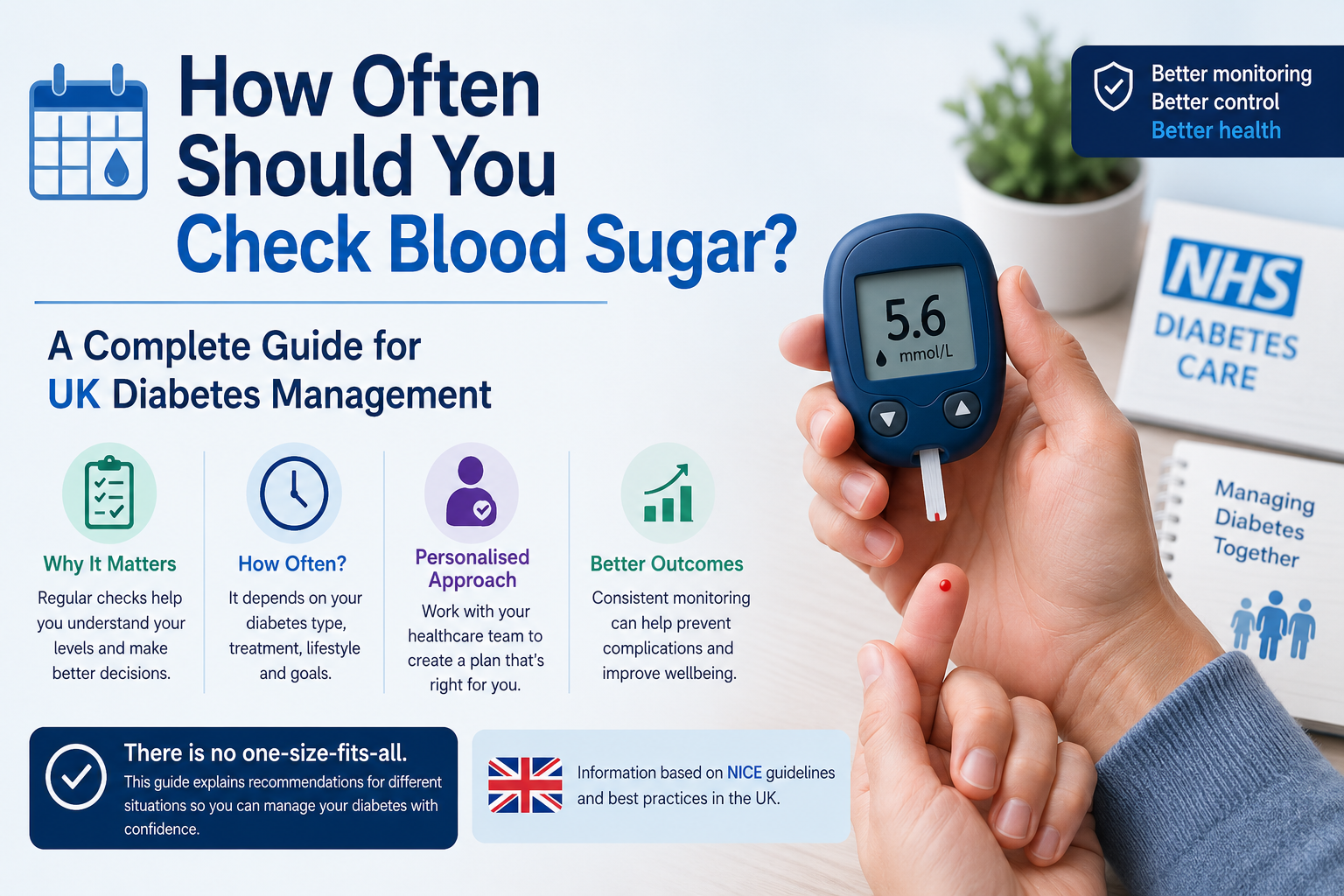
How Often Should You Check Blood Sugar? A Complete Guide for UK Diabetes Management

Monitoring your blood sugar regularly is an important part of managing diabetes and maintaining overall health. Whether you have Type 1 diabetes, Type 2 diabetes, gestational diabetes, or prediabetes, understanding how often to check your blood glucose can help you stay in control and reduce the risk of complications.

In the UK, blood sugar testing recommendations can vary depending on your diabetes type, medication, lifestyle, and advice from your GP or diabetes specialist team. This guide explains when and how often you should check your blood sugar levels for effective diabetes management.

Why Blood Sugar Monitoring Matters

Regular blood glucose monitoring helps you:

  • Understand how food affects your blood sugar
  • Track the impact of medication or insulin
  • Prevent high and low blood sugar episodes
  • Improve long-term diabetes control
  • Reduce the risk of complications
  • Support healthier lifestyle choices

Monitoring also helps your healthcare team adjust treatment plans more effectively when needed.

How Often Should People with Type 1 Diabetes Check Blood Sugar?

People with Type 1 Diabetes usually need to monitor blood sugar several times daily because the body does not produce insulin naturally.

Typical UK Recommendations for Type 1 Diabetes

You may need to check blood sugar:

  • Before meals
  • After meals
  • Before driving
  • Before bedtime
  • Before and after exercise
  • During illness or stress
  • Whenever symptoms of low blood sugar occur

Many people with Type 1 diabetes check glucose levels between 4 and 10 times per day depending on insulin therapy and glucose targets.

Continuous glucose monitoring (CGM) systems are also increasingly used across the UK to help provide real-time glucose tracking.

How Often Should People with Type 2 Diabetes Check Blood Sugar?

Testing frequency for Type 2 Diabetes depends on how the condition is managed.

If You Use Insulin

People using insulin may need to test several times daily, especially:

  • Before meals
  • Before bedtime
  • Before driving
  • After taking insulin
  • Before physical activity

If You Manage Diabetes with Tablets or Diet

Some people with Type 2 diabetes may only need occasional monitoring depending on GP advice. Common testing times include:

  • Fasting blood sugar in the morning
  • Before meals
  • Occasionally after meals
  • A few times per week

Your diabetes nurse or GP will usually recommend a testing schedule suited to your condition.

Blood Sugar Monitoring During Pregnancy

Women with Gestational Diabetes often need more frequent monitoring to help maintain healthy glucose levels during pregnancy.

Testing is commonly recommended:

  • First thing in the morning
  • Before meals
  • 1–2 hours after meals
  • Before bedtime

Monitoring helps reduce risks for both mother and baby.

Best Times to Check Blood Sugar

Fasting Blood Sugar

Check immediately after waking up before eating or drinking anything except water.

Before Meals

Helps assess your baseline glucose level before eating.

After Meals

Usually checked 1–2 hours after meals to understand how food affects blood sugar.

Before Driving

In the UK, drivers using insulin must check blood sugar before driving and during long journeys to meet DVLA safety guidance.

Before Bedtime

Helps reduce the risk of overnight hypoglycaemia.

Normal Blood Sugar Targets in the UK

Blood sugar targets may vary depending on age, treatment, and personal health goals, but common NHS targets include:

Testing Time

Recommended Blood Sugar Range

Before Meals

4–7 mmol/L

2 Hours After Meals

Below 8.5–9 mmol/L

Always follow the guidance provided by your healthcare professional.

Signs You Should Check Your Blood Sugar Immediately

You should test your blood glucose if you experience symptoms such as:

Symptoms of High Blood Sugar

  • Increased thirst
  • Frequent urination
  • Blurred vision
  • Fatigue
  • Headaches

Symptoms of Low Blood Sugar

  • Sweating
  • Shaking
  • Dizziness
  • Confusion
  • Sudden hunger

Immediate testing helps you take action quickly and safely.

Continuous Glucose Monitoring (CGM) in the UK

Continuous Glucose Monitor devices are becoming increasingly popular in the UK for diabetes management.

Benefits of CGMs include:

  • Real-time glucose tracking
  • Alerts for high and low glucose levels
  • Reduced finger-prick testing
  • Better glucose trend analysis
  • Improved diabetes management insights

CGMs can be especially helpful for people using insulin or managing fluctuating glucose levels.

Final Verdict

How often you should check blood sugar depends on your diabetes type, medication, lifestyle, and personal health needs. Some people may need to test several times daily, while others may only need occasional monitoring.

Regular blood glucose monitoring helps you understand your body better, reduce complications, and manage diabetes more confidently. Always follow advice from your UK healthcare provider and use trusted glucose monitoring products for accurate results.

Share:

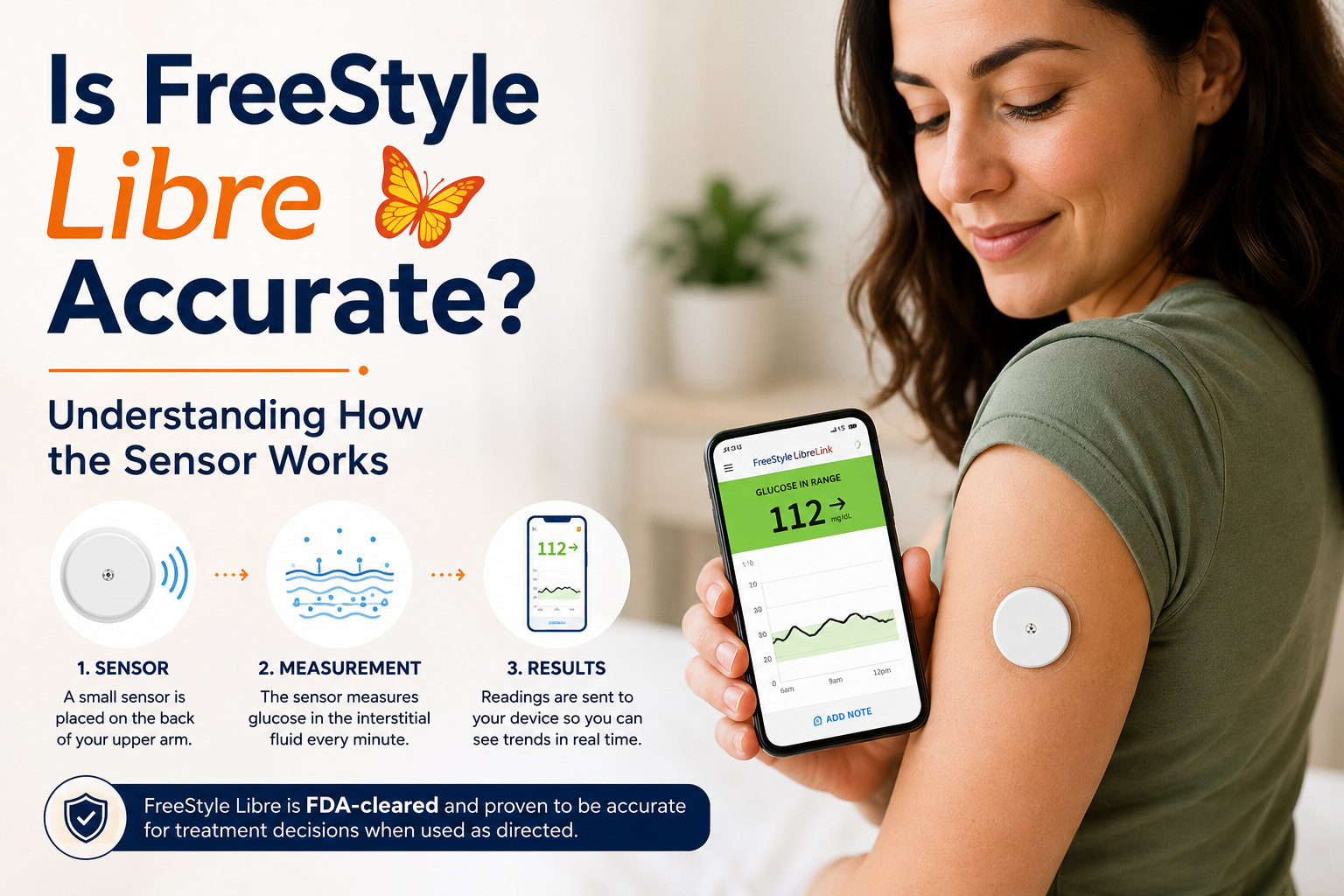
Is FreeStyle Libre Accurate? Understanding How the Sensor Works

Continuous glucose monitoring has changed the way many people manage diabetes.

Instead of relying only on finger-prick testing, systems like FreeStyle Libre allow users to scan a sensor and view glucose readings throughout the day in real time.

But many people still ask the same question:

“How accurate is FreeStyle Libre?”

The answer is that FreeStyle Libre is generally considered highly accurate for day-to-day glucose monitoring. However, understanding how the sensor works and why readings can sometimes vary helps users use the system more effectively.

How FreeStyle Libre Measures Glucose

FreeStyle Libre does not measure blood glucose directly.

Instead, it measures glucose levels in the interstitial fluid located beneath the skin.

Because interstitial glucose responds slightly slower than blood glucose, readings can sometimes lag behind finger-prick tests during rapid glucose changes.

This is normal for continuous glucose monitoring systems.

Why Readings Can Sometimes Be Different

Some users notice occasional differences between FreeStyle Libre readings and traditional blood glucose meters.

This can happen because:

  • Glucose levels are changing quickly
  • The sensor is newly applied
  • Pressure is applied to the sensor during sleep
  • Interstitial fluid reacts differently from blood glucose

Differences are often more noticeable:

  • After meals
  • During exercise
  • During fast glucose spikes or drops

The First 24 Hours After Applying a Sensor

Some people experience less consistent readings during the first day of a new sensor.

This can happen while the sensor settles beneath the skin.

Many users notice more stable readings after the first several hours of wear.

Why Trend Information Is Important

One of the biggest advantages of FreeStyle Libre is trend visibility.

Instead of checking isolated readings occasionally, users can monitor:

  • Rising glucose trends
  • Falling glucose levels
  • Overnight patterns
  • Meal-related spikes
  • Exercise impact


This helps many people understand how daily habits affect glucose levels more clearly.

Sensor Placement Matters

Correct placement can improve sensor performance and consistency.

FreeStyle Libre sensors are commonly applied to the back of the upper arm.

Poor placement or loose adhesion may affect:

  • Reading consistency
  • Sensor comfort
  • Sensor stability

Applying the sensor carefully helps improve the overall experience.

Factors That May Affect Sensor Accuracy

Certain conditions can influence readings temporarily.

Examples include:

  • Dehydration
  • Excessive sweating
  • Skin irritation
  • Compression during sleep

Most users experience reliable monitoring when sensors are applied properly and maintained correctly.

FreeStyle Libre vs Finger-Prick Testing

Traditional blood glucose meters still have an important role in diabetes management.

Finger-prick testing may still be useful when:

  • Symptoms do not match readings
  • Glucose changes rapidly
  • Confirming severe highs or lows
  • Suspecting sensor issues

Many people use both systems together depending on the situation.
There are several versions available, each designed for slightly different needs.

Available Options:

Bundle options such as the Abbott Libre 3 sensor pack of 2 are also popular for regular users.

Why Continuous Monitoring Helps Many Users

For many users, continuous monitoring encourages better awareness and more consistent habits.

Instead of reacting after symptoms appear, users can:

  • Monitor trends early
  • Adjust meals more effectively
  • Respond faster to changes
  • Track how lifestyle affects glucose

This proactive approach can make diabetes management feel less stressful and more manageable over time.

Buying Genuine FreeStyle Libre Sensors

Using authentic sensors and accessories is important for reliable performance.

Many people choose to order through Diabetes Pharmacy when purchasing FreeStyle Libre sensors, adhesives, and diabetes management supplies online.

Reliable products help support better long-term monitoring consistency.

Final Thoughts

FreeStyle Libre has become one of the most widely used glucose monitoring systems because it makes diabetes tracking easier and more convenient.

Its biggest advantage is not just showing glucose readings, but helping users understand trends and patterns throughout the day.

Understanding how the sensor works helps users interpret readings more confidently and manage glucose levels more effectively.

Share:

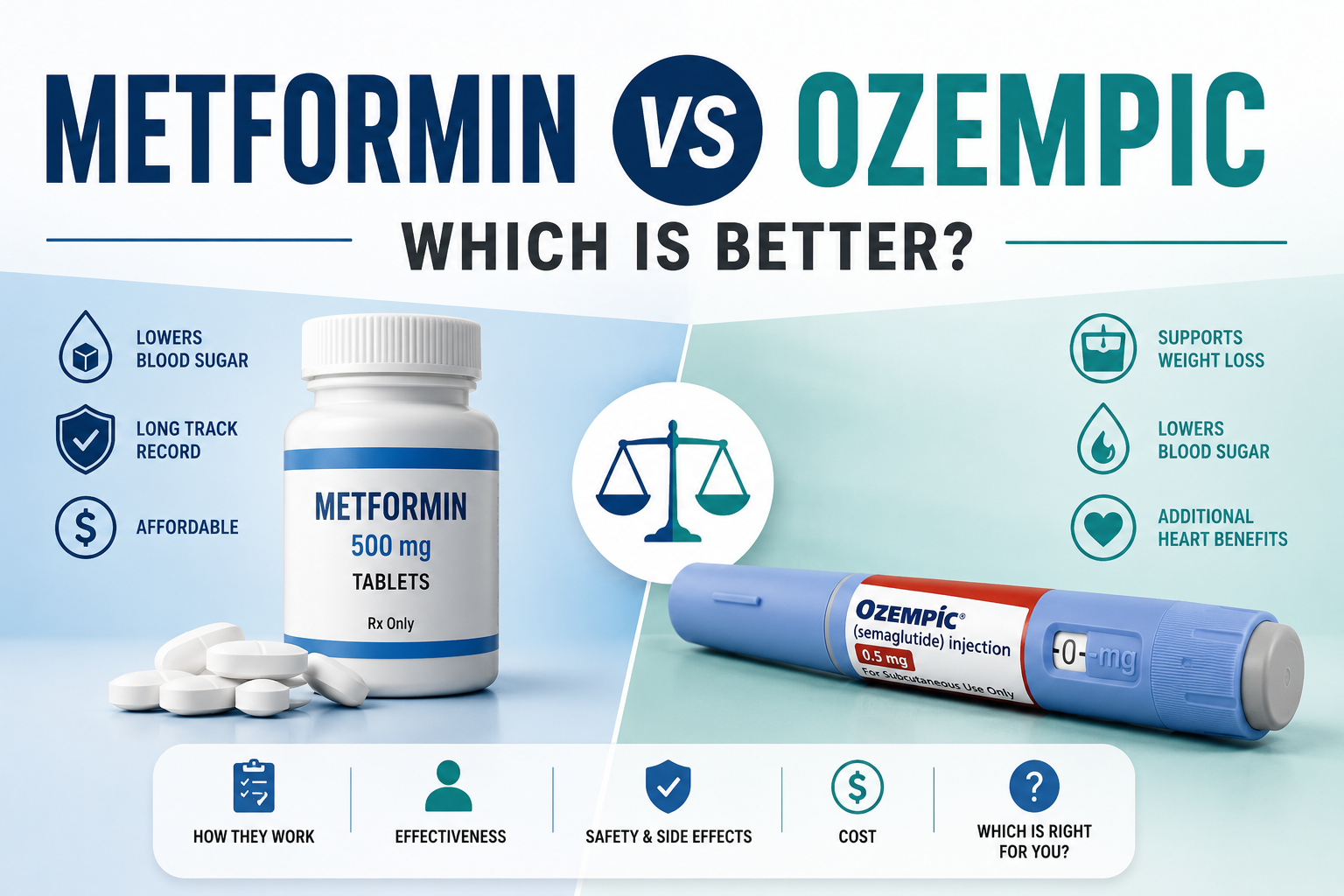
Metformin vs Ozempic: Which Is Better?

Managing Type 2 diabetes often involves a combination of healthy lifestyle habits, regular monitoring, and medication support. Among the most commonly discussed diabetes medications today are Metformin and Ozempic. Both are widely used, but they work in different ways and may suit different types of users.

As more people research treatment options, one question appears frequently:
Metformin vs Ozempic: which is better?

The answer is not always straightforward. The right medication depends on factors such as blood sugar levels, lifestyle, medical history, treatment goals, and how the body responds to therapy.

If you are researching diabetes management options or planning to buy FreeStyle Libre sensors in the UK at an affordable price to monitor your glucose levels more closely, this guide will help you understand the differences between Metformin and Ozempic in a simple and balanced way.

What Is Metformin?

Metformin is one of the most commonly prescribed medications for Type 2 diabetes. It has been used for many years and is often considered a first-line treatment option.

The medication mainly works by reducing the amount of glucose produced by the liver while improving the body’s sensitivity to insulin.

Metformin is usually taken as a tablet once or multiple times daily, depending on the treatment plan.

Many people start with Metformin after being diagnosed with Type 2 diabetes because it is widely available, familiar to healthcare professionals, and generally more affordable than newer medications.

What Is Ozempic?

Ozempic is a newer medication used for managing Type 2 diabetes. It belongs to a class of medications known as GLP-1 receptor agonists.

Unlike Metformin, Ozempic is typically administered as a once-weekly injection.

The medication works by:

  • Supporting insulin release when blood sugar levels are high
  • Slowing digestion
  • Reducing glucose production
  • Helping regulate appetite in some individuals

The growing popularity of Ozempic vs Metformin UK comparisons is largely due to increasing awareness of newer diabetes treatment options.

How Do Metformin and Ozempic Work?

Although both medications aim to improve blood sugar control, they work differently inside the body.

How Metformin Works

Metformin primarily focuses on improving insulin sensitivity and reducing glucose production in the liver.

Main Effects:

  • Helps the body respond better to insulin
  • Reduces liver glucose output
  • Supports lower fasting blood sugar levels

Metformin does not usually cause sudden drops in blood sugar when used alone.

How Ozempic Works

Ozempic works through hormone-related mechanisms that help regulate blood sugar more dynamically.

Main Effects:

  • Stimulates insulin release when needed
  • Slows stomach emptying
  • Helps reduce glucose spikes after meals
  • Supports appetite regulation in some users

Because of these effects, Ozempic is often discussed differently from traditional diabetes medications.

Which Is Better for Blood Sugar Control?

The Metformin vs Ozempic comparison often focuses heavily on blood sugar management.

Both medications can help improve glucose control, but effectiveness varies depending on the individual.

Some people respond very well to Metformin alone, especially in earlier stages of Type 2 diabetes. Others may require additional support from medications such as Ozempic.

Factors influencing effectiveness include:

  • Insulin resistance
  • Diet and activity levels
  • Body response to medication
  • Consistency of use

No single medication is universally “better” for every person.

Side Effects Comparison

Like all medications, both Metformin and Ozempic may cause side effects. Understanding these differences is important when comparing treatment options.

Common Metformin Side Effects

Possible Side Effects:

  • Stomach discomfort
  • Nausea
  • Digestive upset
  • Diarrhoea

These side effects often improve over time or after dosage adjustments.

Common Ozempic Side Effects

Possible Side Effects:

  • Nausea
  • Reduced appetite
  • Digestive discomfort
  • Mild stomach-related symptoms

Some users may experience temporary side effects during the adjustment period.

Because individual responses vary, treatment decisions should always involve medical guidance.

Weight Management Differences

One reason the Metformin or Ozempic discussion has become more popular is the growing interest in how these medications may affect weight.

Metformin may support modest weight-related changes in some users, while Ozempic is often associated with appetite-related effects.

However, results vary greatly between individuals, and neither medication should be viewed as a standalone solution without healthy lifestyle habits.

Diet, exercise, sleep, and glucose monitoring still play essential roles in long-term management.

Which Medication Is More Convenient?

Convenience can influence which treatment feels more manageable in everyday life.

Metformin:

  • Taken daily as tablets
  • Familiar routine for many users
  • No injections required

Ozempic:

  • Typically administered weekly
  • Fewer dosing sessions
  • Injection-based system

Some users prefer the simplicity of weekly dosing, while others feel more comfortable with traditional tablets.

Cost Comparison in the UK

The best diabetes medication UK discussion often includes affordability as a major factor.

Generally:

  • Metformin is significantly more affordable
  • Ozempic is usually more expensive due to being a newer medication

Long-term treatment costs may vary depending on:

  • Prescription coverage
  • Private healthcare access
  • Monitoring needs
  • Additional diabetes supplies

Cost is only one factor, but it can influence long-term treatment decisions.

Who Might Prefer Metformin?

Metformin may suit:

  • Newly diagnosed Type 2 diabetes users
  • Budget-conscious individuals
  • People preferring oral medication
  • Users seeking traditional first-line treatment

It remains one of the most commonly used diabetes medications worldwide.

Who Might Prefer Ozempic?

Ozempic may appeal to:

  • Users needing additional blood sugar support
  • Individuals preferring weekly dosing
  • Those exploring newer diabetes management options

However, suitability depends entirely on personal medical circumstances and professional guidance.

Why Glucose Monitoring Matters With Any Medication

Regardless of which medication is used, monitoring blood sugar levels remains essential.

The continuous glucose monitoring system helps users:

  • Understand how medications affect glucose trends
  • Identify spikes and drops
  • Monitor overnight glucose patterns
  • Improve treatment awareness

Many users choose to buy FreeStyle Libre 3 CGM sensor UK to gain better visibility into daily glucose behaviour.

Advanced monitoring options such as FreeStyle Libre 3 Plus at low price UK provide even more detailed glucose insights.

Lifestyle Still Matters Most

A common misconception is that medication alone controls diabetes completely.

In reality, healthy habits remain critical alongside treatment.

Important Lifestyle Factors:

  • Balanced nutrition
  • Regular physical activity
  • Consistent sleep patterns
  • Stress management
  • Regular glucose monitoring

These habits work together with medication to support better long-term outcomes.

Common Mistakes People Make

When comparing medications, people sometimes focus only on trends or online opinions instead of personal medical needs.

Common Mistakes:

  • Assuming one medication works best for everyone
  • Ignoring lifestyle habits
  • Stopping medication without medical advice
  • Focusing only on weight-related discussions
  • Neglecting glucose monitoring

Every person responds differently, which is why professional guidance is essential.

Where to Buy Glucose Monitoring Devices in the UK

If you are looking to buy FreeStyle Libre online in the UK, choosing a trusted supplier is important. You can explore options through the FreeStyle Libre official online pharmacy in the UK for genuine products and competitive pricing.

To learn more, visit the About Diabetes Pharmacy UK page. If you need assistance, you can contact the diabetes pharmacy support team.

You can also explore helpful guidance in the diabetes blogs and tips UK section.

Final Verdict

When comparing Metformin vs Ozempic, there is no single “better” option for everyone.

Metformin remains a trusted and widely used first-line treatment, while Ozempic offers a newer approach with different mechanisms and convenience factors.

The right choice depends on:

  • Individual health goals
  • Medical history
  • Lifestyle preferences
  • Professional medical advice

Regardless of the medication used, consistent glucose monitoring and healthy daily habits remain essential parts of effective diabetes management.

If you want better insight into how your body responds to food, activity, and medication, you can shop FreeStyle Libre sensors in the UK at an affordable price and take a more informed approach to glucose monitoring.

Share:

FreeStyle Libre vs Dexcom: Which CGM Is Better

Continuous glucose monitoring has transformed diabetes management by making it easier to track glucose levels in real time. Instead of relying only on traditional finger-prick testing, CGM systems provide continuous insights into glucose trends, helping users make faster and more informed decisions.

Two of the most popular CGM systems available today are FreeStyle Libre and Dexcom. Both are trusted by millions of users worldwide, but many people still ask the same question:
Which CGM is better — FreeStyle Libre or Dexcom?

The answer depends on your lifestyle, monitoring needs, budget, and personal preferences. Some users prioritise affordability and simplicity, while others want advanced alerts and app integration.

If you are comparing options before deciding to buy FreeStyle Libre sensors in the UK at an affordable price, this guide will help you understand the real differences between these two leading CGM systems.

What Is a CGM?

A continuous glucose monitoring system is a device that tracks glucose levels throughout the day and night.

Instead of checking blood sugar manually several times daily, CGMs use a small sensor placed on the body to monitor glucose continuously.

CGM systems help users:

  • Track glucose trends in real time
  • Identify highs and lows early
  • Understand how food and activity affect glucose
  • Improve overall diabetes management

This is why CGM technology has become increasingly popular among both Type 1 and Type 2 diabetes users.

Quick Overview of FreeStyle Libre

The FreeStyle Libre CGM system is developed by Abbott and is known for its simplicity, affordability, and compact design.

Popular models include:

  • Libre 2
  • Libre 3
  • Libre 3 Plus

FreeStyle Libre is especially popular among users looking for:

  • Easy setup
  • Reliable monitoring
  • Smaller sensors
  • More affordable long-term usage

You can explore:

Quick Overview of Dexcom

Dexcom is another highly recognised CGM brand known for advanced alert systems and strong connectivity features.

Its latest systems are designed to provide:

  • Real-time glucose alerts
  • Continuous smartphone integration
  • Smartwatch compatibility
  • Advanced tracking features

Dexcom is often chosen by users who prioritise detailed alerts and a broader digital ecosystem.

FreeStyle Libre vs Dexcom: Main Differences

When comparing FreeStyle Libre vs Dexcom, several important differences become clear.

Feature FreeStyle Libre Dexcom
Cost Usually more affordable Generally more expensive
Sensor Size Very compact Compact
Alerts Available on newer models Advanced real-time alerts
App Integration Good smartphone support Strong ecosystem support
Ease of Use Beginner-friendly Slightly more advanced
Long-Term Cost Lower for many users Higher ongoing cost

Both systems are highly capable, but the better option depends on individual priorities.

Which CGM Is More Accurate?

Accuracy is one of the most important concerns for CGM users. Both systems are considered highly accurate and continue improving with newer generations.

The latest Libre systems, particularly Libre 3 and Libre 3 Plus, have significantly improved accuracy compared to older models. Dexcom is also known for reliable performance and strong real-time alerts.

In everyday use, most users find both systems effective for tracking glucose trends and supporting better management decisions.

Which CGM Is Easier to Use?

For many beginners, ease of use matters just as much as accuracy.

The FreeStyle Libre review UK experience often highlights how simple the system feels:

  • Quick sensor application
  • Easy app setup
  • Minimal learning curve

Dexcom also offers a strong user experience but may feel slightly more feature-heavy for some first-time users.

Users wanting a simpler and more streamlined experience often prefer FreeStyle Libre.

Cost Comparison: Which Is More Affordable?

One of the biggest differences between the two systems is long-term cost.

The Dexcom vs FreeStyle Libre UK comparison often shows FreeStyle Libre as the more affordable option for many users.

Factors affecting cost include:

  • Sensor replacement frequency
  • Subscription plans
  • Bundle offers
  • Additional accessories

For users monitoring continuously throughout the year, affordability can become an important long-term consideration.

Bundle options such as the Abbott Libre 3 sensor pack of 2 may provide better value for regular users.

Which CGM Is Better for Different Types of Users?

The ideal CGM system depends on your lifestyle and monitoring needs.

FreeStyle Libre May Be Better For:

  • Budget-conscious users
  • Beginners
  • Users wanting simplicity
  • People preferring smaller sensors

Dexcom May Be Better For:

  • Users wanting advanced alerts
  • Heavy smartwatch integration users
  • People wanting extensive connectivity features

Neither system is universally better—it depends on what matters most to you.

Real-Life Use: Exercise, Sleep & Daily Activities

CGM systems are designed to fit naturally into daily life.

During Exercise:

Both systems help track glucose changes during physical activity, although some users prefer Dexcom’s stronger real-time alerts.

During Sleep:

Continuous overnight monitoring is one of the biggest advantages of CGM technology, helping users detect trends they might otherwise miss.

At Work or Travel:

FreeStyle Libre’s simplicity and compact design make it especially convenient for discreet monitoring throughout the day.

Pros & Cons of FreeStyle Libre

Advantages:

  • More affordable long-term
  • Compact sensor design
  • Easy setup and use
  • Strong everyday monitoring

Limitations:

  • Ongoing sensor replacement costs
  • Alerts depend on model version
  • Some users report occasional adhesion issues

Despite these limitations, many users consider the convenience and affordability worthwhile.

Pros & Cons of Dexcom

Advantages:

  • Advanced real-time alerts
  • Strong smartphone and smartwatch integration
  • Excellent connectivity ecosystem

Limitations:

  • Higher ongoing cost
  • More complex setup for some users
  • Premium pricing compared to Libre

Dexcom is often preferred by users wanting advanced alert-focused monitoring.

Which CGM Is Better Overall?

The which CGM is better answer depends entirely on individual needs.

For many users in the UK:

  • FreeStyle Libre offers better affordability and simplicity
  • Dexcom offers more advanced alert and connectivity features

Both systems provide major improvements over traditional finger-prick testing and can significantly improve glucose awareness.

Why Continuous Monitoring Matters

Regardless of which system you choose, continuous monitoring provides major advantages over traditional testing methods.

The continuous glucose monitoring system helps users:

  • Detect glucose trends early
  • Reduce uncertainty
  • Improve lifestyle decisions
  • Monitor overnight patterns
  • Better understand food and exercise impact

This additional awareness often improves confidence and long-term diabetes management.

Where to Buy FreeStyle Libre in the UK

If you are looking to buy FreeStyle Libre online in the UK, choosing a trusted supplier is essential. You can explore options through the FreeStyle Libre official online pharmacy in the UK for genuine products and competitive pricing.

To learn more, visit the About Diabetes Pharmacy UK page. If you need assistance, you can contact the diabetes pharmacy support team.

You can also explore helpful content in the diabetes blogs and tips UK section.

Final Verdict

When comparing FreeStyle Libre vs Dexcom, both systems offer excellent glucose monitoring technology, but they are designed for slightly different user priorities.

FreeStyle Libre is often preferred for its affordability, simplicity, and compact design, while Dexcom appeals to users wanting more advanced alerts and digital integration.

The best CGM is ultimately the one that fits your lifestyle, monitoring needs, and budget.

If you are ready to explore CGM technology, you can shop FreeStyle Libre sensors in the UK at an affordable price and choose the option that works best for your daily diabetes management.

Share:
Add to cart