
Best Foods to Lower Blood Sugar Naturally (Top 20 List)

Managing blood sugar levels naturally starts with one of the most important daily decisions you make—what you eat. Food has a direct impact on glucose levels, and choosing the right ingredients can help improve stability, reduce spikes, and support better long-term health.

Many people assume managing blood sugar means following a strict or complicated diet, but the reality is much simpler. Small, consistent food choices can make a major difference over time.

If you are trying to improve glucose control or planning to buy FreeStyle Libre sensors in the UK at an affordable price to track how foods affect your body, this guide will help you discover the best foods to lower blood sugar naturally.

How Food Affects Blood Sugar

When you eat carbohydrates, your body converts them into glucose. Some foods raise blood sugar quickly, while others release energy more slowly and steadily.

Foods high in fiber, protein, and healthy fats generally help reduce rapid spikes because they slow digestion and improve insulin response.

The goal is not to eliminate carbohydrates completely but to choose smarter, more balanced foods that support stable glucose levels throughout the day.

Top 20 Foods That Help Lower Blood Sugar Naturally

1. Leafy Green Vegetables: Spinach, kale, and other leafy greens are low in carbohydrates and rich in fiber and nutrients. They help slow glucose absorption and support overall health.

2. Oats: Oats contain soluble fiber, which helps regulate blood sugar and keeps you feeling full longer. Choosing plain oats instead of sugary instant varieties is the better option.

3. Eggs: Eggs are high in protein and contain very few carbohydrates, making them excellent for balanced meals. They can help reduce hunger and stabilise glucose levels.

4. Avocados: Avocados contain healthy fats and fiber, both of which support slower glucose absorption. They are also filling and easy to include in meals.

5. Nuts: Almonds, walnuts, and pistachios are among the best foods for diabetes because they provide healthy fats, protein, and fiber. A small portion can make a satisfying snack without causing sharp glucose spikes.

6. Greek Yoghurt: Unsweetened Greek yoghurt contains protein and probiotics that may support better glucose control. Avoid flavoured versions with added sugar.

7. Beans and Lentils: Beans and lentils are rich in fiber and plant-based protein. They release glucose slowly and help maintain stable energy levels.

8. Cinnamon: Cinnamon is commonly included in discussions about foods to lower blood sugar naturally because it may support insulin sensitivity in some people. It can easily be added to oats, yoghurt, or tea.

9. Berries: Strawberries, blueberries, and raspberries contain fiber and antioxidants while being lower in sugar than many other fruits. Moderate portions work best.

10. Fatty Fish: Salmon, sardines, and mackerel provide healthy omega-3 fats that support heart health and overall wellness. Heart health is especially important for people managing diabetes.

11. Broccoli: Broccoli is low in carbs and rich in fiber and nutrients. It is filling, versatile, and supports better glucose stability.

12. Chia Seeds: Chia seeds absorb liquid and form a gel-like texture that slows digestion and glucose absorption. They are easy to add to smoothies or yoghurt.

13. Apples: Apples contain fiber and release sugar more slowly compared to highly processed snacks. Eating whole apples instead of juice is the better option.

14. Sweet Potatoes: Sweet potatoes are often considered better than regular potatoes because they contain more fiber and nutrients. Portion control still matters.

15. Olive Oil: Healthy fats such as olive oil can improve meal balance and help slow carbohydrate absorption. It is commonly used in Mediterranean-style diets.

16. Tofu: Tofu is low in carbohydrates and high in protein, making it a useful option for balanced meals. It is especially popular in plant-based diets.

17. Tomatoes: Tomatoes are low in calories and carbohydrates while providing important antioxidants and nutrients. Fresh tomatoes are generally better than sugary processed sauces.

18. Cucumber: Cucumber is hydrating, refreshing, and extremely low in carbohydrates. It makes an ideal snack or salad ingredient.

19. Garlic: Garlic may support better blood sugar control and overall heart health when included regularly in meals. It also adds flavor without extra sugar.

20. Green Tea: Green tea contains antioxidants and is often preferred over sugary beverages. Replacing sweet drinks with healthier alternatives can significantly reduce sugar intake.

Foods That Commonly Cause Blood Sugar Spikes

While focusing on healthy foods is important, reducing foods that cause rapid spikes matters just as much.

Foods to Limit:

  • Sugary drinks
  • White bread and refined carbs
  • Processed snacks
  • Sweets and desserts
  • Highly processed fast food

These foods are absorbed quickly and can lead to sudden increases in glucose levels.

Best Eating Habits for Stable Blood Sugar

Choosing healthy foods is only part of the equation. Eating habits also play a major role in glucose control.

Helpful Habits:

  • Eat balanced meals with protein and fiber
  • Avoid skipping meals
  • Watch portion sizes
  • Stay hydrated
  • Avoid excessive late-night snacking

Consistency is often more important than perfection.

Can Food Alone Lower Blood Sugar?

Diet can have a major impact on glucose control, but results vary depending on the individual and the severity of their condition.

For some people, lifestyle improvements may significantly improve blood sugar levels. Others may still require medication or additional support.

The most effective approach usually combines:

  • Healthy eating
  • Regular exercise
  • Good sleep habits
  • Consistent monitoring

Why Glucose Monitoring Matters

Even healthy foods affect people differently. This is why monitoring your glucose levels is so valuable.

The continuous glucose monitoring system helps users understand:

  • Which foods cause spikes
  • How meals affect glucose trends
  • How activity impacts blood sugar
  • Which habits improve stability

Instead of guessing, you can make informed decisions based on real data.

Many users choose to buy FreeStyle Libre 3 CGM sensor UK for continuous glucose tracking and better awareness.

Advanced options like FreeStyle Libre 3 Plus at low price UK provide even more convenient monitoring.

Common Mistakes People Make

When trying to improve blood sugar naturally, some mistakes can slow progress.

Common Mistakes:

  • Assuming all “healthy” foods are low sugar
  • Overeating fruit
  • Ignoring portion sizes
  • Relying only on diet without monitoring
  • Drinking sugary beverages regularly

Small adjustments can make a noticeable difference over time.

Where to Buy Glucose Monitoring Devices in the UK

If you are looking to buy FreeStyle Libre online in the UK, choosing a trusted supplier is essential. You can explore options through the FreeStyle Libre official online pharmacy in the UK for genuine products and competitive pricing.

To learn more, visit the About Diabetes Pharmacy UK page. If you need assistance, you can contact the diabetes pharmacy support team.

You can also explore helpful advice in the diabetes blogs and tips UK section.

Final Thoughts

Choosing the best foods to lower blood sugar naturally does not require extreme dieting or complicated meal plans. Simple, balanced food choices can make a significant difference in your daily glucose control and long-term health.

The key is consistency. By combining healthier foods with regular monitoring and good lifestyle habits, you can better understand your body and make more informed decisions.

If you want to see how different foods affect your glucose levels in real time, you can shop FreeStyle Libre sensors in the UK at an affordable price and take a more proactive approach to diabetes management.
Share:

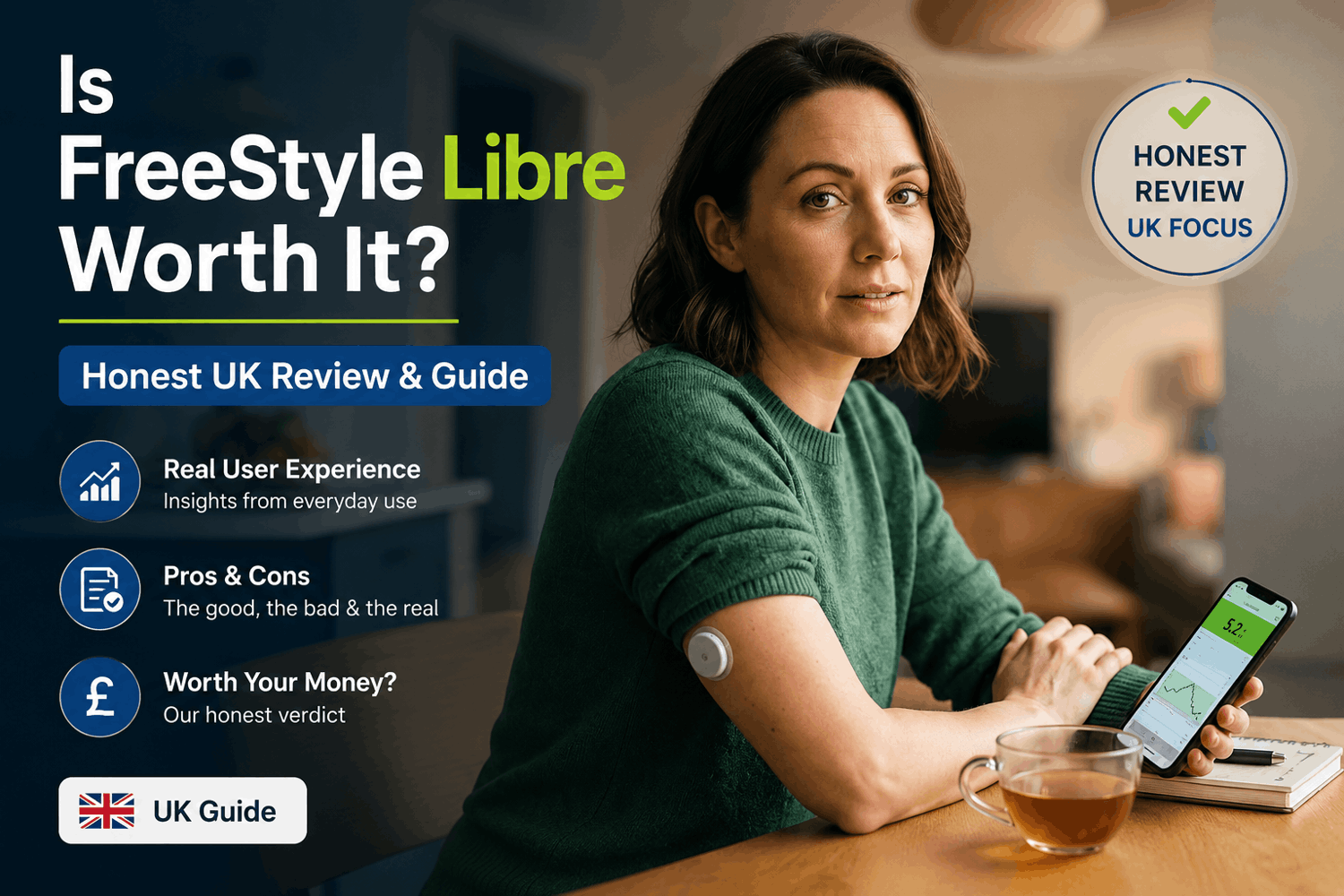
Is FreeStyle Libre Worth It? Honest UK Review & User Guide

Continuous glucose monitoring has changed the way many people manage diabetes. Instead of relying only on traditional finger-prick testing, users can now track glucose levels throughout the day with greater convenience and better insight into patterns and trends.

But one question still comes up repeatedly: is FreeStyle Libre worth it?

For many people in the UK, the answer depends on several factors—cost, convenience, lifestyle, and how important real-time monitoring is for their diabetes management. Some users describe it as life-changing, while others wonder whether the benefits justify the ongoing expense.

If you are considering making the switch or planning to buy FreeStyle Libre sensors in the UK at an affordable price, this honest guide will help you understand the pros, limitations, and whether the system is truly worth the investment.

What Is FreeStyle Libre?

The FreeStyle Libre continuous glucose monitoring system is a CGM device designed to track glucose levels throughout the day and night.

A small sensor is worn on the back of the upper arm, continuously measuring glucose levels in interstitial fluid. Instead of frequent finger-prick tests, users can view glucose data through a smartphone or compatible reader.

The system provides:

  • Real-time glucose readings
  • Trend arrows
  • Glucose history and patterns
  • Alerts on selected models

This combination gives users a clearer picture of how food, exercise, stress, and sleep affect their glucose levels.

Why People Choose FreeStyle Libre

One of the main reasons people choose the FreeStyle Libre CGM system is convenience.

Traditional finger-prick testing only gives a single reading at a specific moment. CGM systems provide ongoing data, helping users understand trends instead of isolated numbers.

Many people also appreciate the flexibility it offers in daily life. Whether at work, exercising, travelling, or sleeping, users can check their glucose levels quickly and discreetly.

For people who monitor frequently, this can significantly reduce stress and uncertainty.

Main Benefits of FreeStyle Libre

The popularity of the system is largely due to the practical advantages it offers for day-to-day diabetes management.

Key Benefits:

  • Continuous glucose monitoring throughout the day
  • Reduced reliance on finger-prick testing
  • Real-time trend arrows and glucose insights
  • Easier identification of glucose spikes and drops
  • Greater flexibility for work, exercise, and travel

These features help users make more informed decisions and respond faster to changing glucose levels.

Many users also report feeling more confident because they can monitor trends proactively instead of reacting after symptoms appear.

Better Awareness of Glucose Patterns

One of the biggest advantages of using CGM technology is understanding how your body responds to different situations.

With traditional testing, you may miss overnight highs, exercise-related drops, or food-related spikes. The FreeStyle Libre review UK experience often highlights how eye-opening continuous monitoring can be.

Users can identify:

  • Foods that cause glucose spikes
  • Overnight glucose fluctuations
  • Effects of exercise and stress
  • Patterns linked to sleep or illness

This awareness often leads to better long-term habits and more stable glucose control.

Is It Better Than Finger-Prick Testing?

For many users, yes. While traditional testing still has its place, CGM systems provide much more context and convenience.

Finger-prick testing only gives a snapshot of glucose levels at one moment. In contrast, the FreeStyle Libre CGM system shows trends, patterns, and direction of change.

CGM vs Finger-Prick Testing:

  • Finger-prick → single reading only
  • CGM → continuous real-time tracking
  • Finger-prick → manual testing required
  • CGM → automatic monitoring

This additional information can help users make better decisions throughout the day.

Downsides & Limitations of FreeStyle Libre

An honest review should also acknowledge the limitations of the system.

While many users find it extremely helpful, it is not perfect.

Common Limitations:

  • Ongoing sensor replacement costs
  • Occasional inaccurate readings
  • Sensors may loosen or fall off early
  • Requires regular replacement every 14 days

Some users also find the adjustment period frustrating, especially during the first few days of using CGM technology.

However, for many people, the convenience and insights outweigh these drawbacks.

Is FreeStyle Libre Worth the Cost?

The cost is one of the biggest concerns for people considering CGM technology.

The question of whether FreeStyle Libre is worth it often comes down to value rather than just price.

While sensors need to be replaced regularly, many users believe the benefits justify the expense because the system:

  • Improves awareness
  • Reduces uncertainty
  • Helps prevent unexpected highs and lows
  • Makes monitoring easier and faster

For people who check glucose levels frequently, the convenience alone can feel worthwhile.

Real-Life Situations Where FreeStyle Libre Helps

The true value of the system becomes clearer in everyday situations.

Daily Life Benefits:

  • Checking glucose during exercise
  • Monitoring overnight trends while sleeping
  • Tracking glucose during travel
  • Identifying meal-related spikes quickly

Many users say these real-world benefits improve both confidence and overall quality of life.

Who Is FreeStyle Libre Best For?

The system may be particularly useful for:

  • People with Type 1 diabetes
  • People with Type 2 diabetes who monitor frequently
  • Active individuals and athletes
  • Users wanting better glucose awareness
  • Those frustrated with repeated finger-prick testing

However, individual needs vary, and the best approach depends on your lifestyle and health goals.

Which FreeStyle Libre Version Should You Choose?

There are several versions available, each designed for slightly different needs.

Available Options:

Bundle options such as the Abbott Libre 3 sensor pack of 2 are also popular for regular users.

Does FreeStyle Libre Improve Diabetes Management?

For many users, continuous monitoring encourages better awareness and more consistent habits.

Instead of reacting after symptoms appear, users can:

  • Monitor trends early
  • Adjust meals more effectively
  • Respond faster to changes
  • Track how lifestyle affects glucose

This proactive approach can make diabetes management feel less stressful and more manageable over time.

Common Misconceptions About FreeStyle Libre

Some people expect CGM systems to eliminate all challenges related to diabetes management, but that is not realistic.

The system is a tool—not a cure. It still requires:

  • Consistent monitoring
  • Healthy lifestyle habits
  • Proper interpretation of readings
  • Regular sensor replacement

Understanding this helps set realistic expectations and improves user satisfaction.

Where to Buy FreeStyle Libre Sensors in the UK

If you are looking to buy FreeStyle Libre online in the UK, choosing a trusted supplier is essential. You can explore options through the FreeStyle Libre official online pharmacy in the UK for genuine products and competitive pricing.

To learn more, visit the About Diabetes Pharmacy UK page. If you need help, you can contact the diabetes pharmacy support team.

You can also explore helpful guides in the diabetes blogs and tips UK section.

Final Verdict

So, is FreeStyle Libre worth it?

For many people in the UK, the answer is yes. While it does involve ongoing costs and occasional limitations, the convenience, insights, and improved awareness make it highly valuable for day-to-day diabetes management.

The ability to monitor glucose trends continuously can reduce uncertainty, improve confidence, and help users make more informed decisions about food, exercise, and lifestyle.

If you want a more convenient and proactive way to monitor your glucose levels, you can shop FreeStyle Libre sensors in the UK at an affordable price and decide whether CGM technology fits your lifestyle and health goals.

Share:

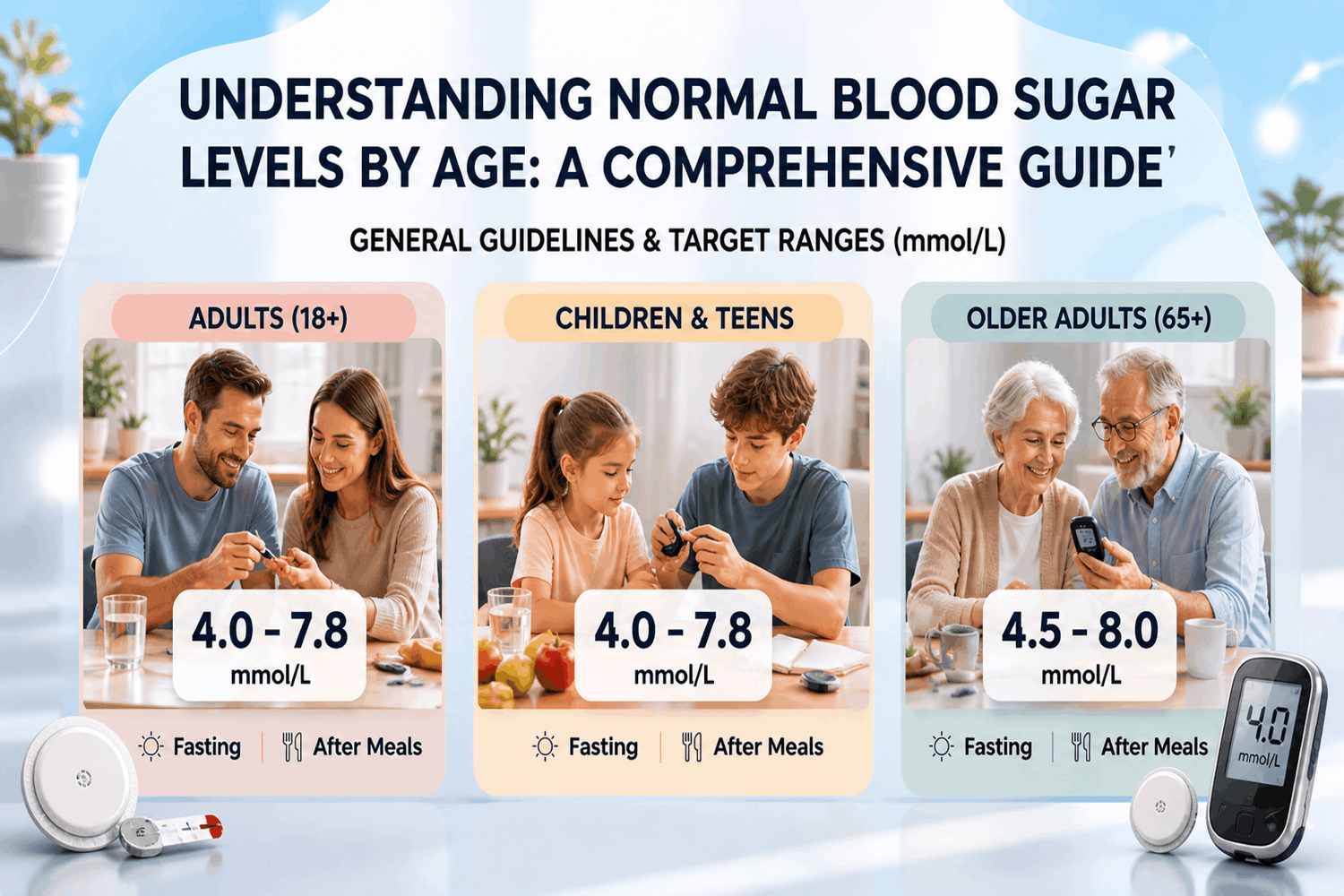
What Is a Normal Blood Sugar Level by Age? UK Guide

Understanding what a “normal” blood sugar level looks like can often feel confusing, especially when you come across different numbers for fasting, after meals, and various age groups. Many people regularly check their readings but still feel unsure whether their levels are within a healthy range or if they should be concerned.

The reality is that there is no single number that applies to everyone. Blood sugar levels vary based on age, lifestyle, diet, and overall health conditions. This is why understanding the normal blood sugar level by age UK is so important—it helps you interpret your readings correctly and take appropriate action when needed.

Whether you are managing diabetes or simply monitoring your health, having a clear understanding of these ranges can make a big difference. If you are already tracking your levels or planning to buy FreeStyle Libre sensors in the UK at an affordable price, this guide will help you understand what your numbers really mean in everyday life.

What Is a Normal Blood Sugar Level?

A normal blood sugar level refers to the amount of glucose present in your bloodstream at a given time. In the UK, glucose levels are measured in mmol/L, and these values change throughout the day depending on when you last ate, your activity level, and how your body processes glucose.

Typically, blood sugar is measured in two key states—fasting and post-meal. Fasting levels are checked after not eating for at least 8 hours, usually first thing in the morning. Post-meal readings are taken about 1–2 hours after eating and reflect how your body responds to food.

For individuals without diabetes, the body naturally regulates glucose levels through insulin. However, even in healthy individuals, small fluctuations are normal. This is why understanding patterns over time is more useful than focusing on a single reading.

Normal Blood Sugar Levels by Age

The normal blood sugar level by age UK can vary slightly depending on different life stages, but general guidelines provide a reliable reference point for most people.

For Adults:

  • Fasting (before meals): 4.0 – 5.9 mmol/L
  • After meals (1–2 hours): below 7.8 mmol/L

For Children:

  • Fasting: 4.0 – 5.5 mmol/L
  • After meals: up to 7.8 mmol/L

For Older Adults:

  • Fasting: 4.5 – 6.5 mmol/L
  • After meals: up to 8.0 mmol/L

These ranges are not strict rules but helpful benchmarks. Older adults may have slightly higher acceptable ranges due to changes in metabolism and overall health. Similarly, children may have small variations depending on growth and activity levels.

Understanding these ranges helps you identify whether your readings fall within a healthy zone or if adjustments may be needed.

Fasting vs After-Meal Blood Sugar

Many people misunderstand the difference between fasting and post-meal readings, which can lead to confusion when interpreting results.

Fasting blood sugar reflects your body’s baseline glucose level when no food has been consumed for several hours. This reading is important because it shows how well your body maintains glucose levels without external input.

On the other hand, post-meal blood sugar measures how your body processes carbohydrates from food. After eating, glucose levels naturally rise, but in a healthy system, they return to normal within a couple of hours.

Both readings are equally important. While fasting levels show overall control, post-meal readings reveal how your body reacts to specific foods and portion sizes.

What Is Considered High or Low Blood Sugar?

To fully understand your readings, it’s important to know what is considered high or low blood sugar.

Blood Sugar Categories:

  • Low (Hypoglycaemia): below 4.0 mmol/L
  • Normal: within target range
  • High (Hyperglycaemia): above 7.8 mmol/L after meals

Low blood sugar can cause symptoms such as dizziness, sweating, and confusion, while high blood sugar may lead to fatigue, increased thirst, and frequent urination.

Consistently high or low levels should not be ignored, as they may indicate underlying issues that require attention.

Why Blood Sugar Levels Vary Throughout the Day

Blood sugar levels are constantly changing, and this is completely normal. However, many people are surprised by how many factors can influence these fluctuations.

Factors That Affect Blood Sugar:

  • Type and quantity of food consumed
  • Physical activity and exercise levels
  • Stress and emotional state
  • Sleep quality and duration
  • Medication or insulin use

For example, eating a high-carbohydrate meal can cause a spike in glucose, while exercise can help lower it. Stress hormones can increase blood sugar levels, even without changes in diet.

This is why it’s important to look at patterns over time rather than reacting to a single reading.

How to Maintain Normal Blood Sugar Levels

Maintaining stable glucose levels does not require drastic changes. In most cases, small and consistent habits can lead to significant improvements.

A balanced diet that includes fiber, protein, and healthy fats helps slow down glucose absorption and prevents sudden spikes. Avoiding excessive sugar and refined carbohydrates can further improve control.

Regular physical activity improves insulin sensitivity, allowing your body to use glucose more effectively. Even simple activities like walking after meals can make a noticeable difference.

Sleep also plays a crucial role. Poor sleep can disrupt hormone balance and lead to higher blood sugar levels the next day.

Consistency is key—small daily actions often have the biggest long-term impact.

Role of Continuous Glucose Monitoring

Understanding your glucose patterns is much easier when you have access to real-time data. The continuous glucose monitoring system provides continuous insights into how your levels change throughout the day and night.

Instead of relying on occasional finger-prick tests, you can see trends, patterns, and responses to food, exercise, and lifestyle habits.

Many users choose to buy FreeStyle Libre 3 CGM sensor UK to gain better control and make informed decisions.

For enhanced performance, options like FreeStyle Libre 3 Plus at a low price in the UK offer improved accuracy and convenience.

When Should You Be Concerned?

While occasional fluctuations are normal, certain patterns may indicate a need for medical attention.

Warning Signs:

  • Consistently high fasting blood sugar
  • Frequent spikes after meals
  • Repeated low blood sugar episodes
  • Symptoms such as fatigue, dizziness, or excessive thirst

If you notice these signs regularly, it is important to consult a healthcare professional to review your management plan.

Why Monitoring Trends Matters More Than Single Readings

One of the biggest mistakes people make is focusing too much on individual readings. While a single high or low result can be concerning, it does not always reflect your overall control.

Trends over time provide a clearer picture of your health. By tracking your glucose levels regularly, you can identify patterns, understand triggers, and make more informed decisions.

This is where consistent monitoring becomes essential. It helps you move from guessing to understanding your body’s behaviour.

Where to Buy Glucose Monitoring Devices in the UK

If you are looking to buy FreeStyle Libre online in the UK, choosing a reliable supplier is essential. You can explore options through the FreeStyle Libre official online pharmacy in the UK for genuine products and competitive pricing.

To learn more, visit the About Diabetes Pharmacy UK page. If you need help, you can contact the diabetes pharmacy support team.

You can also explore helpful guides in the diabetes blogs and tips UK section.

Final Thoughts

Understanding the normal blood sugar level by age, according to the UK, gives you a strong foundation for managing your health. While the exact numbers may vary slightly depending on age and individual conditions, the goal is always to maintain stable and consistent glucose levels.

By combining healthy habits with regular monitoring, you can stay within your target range and reduce the risk of complications over time.

If you want better control and clearer insights into your glucose levels, you can shop FreeStyle Libre sensors in the UK at an affordable price and take a more proactive approach to your health.

Share:

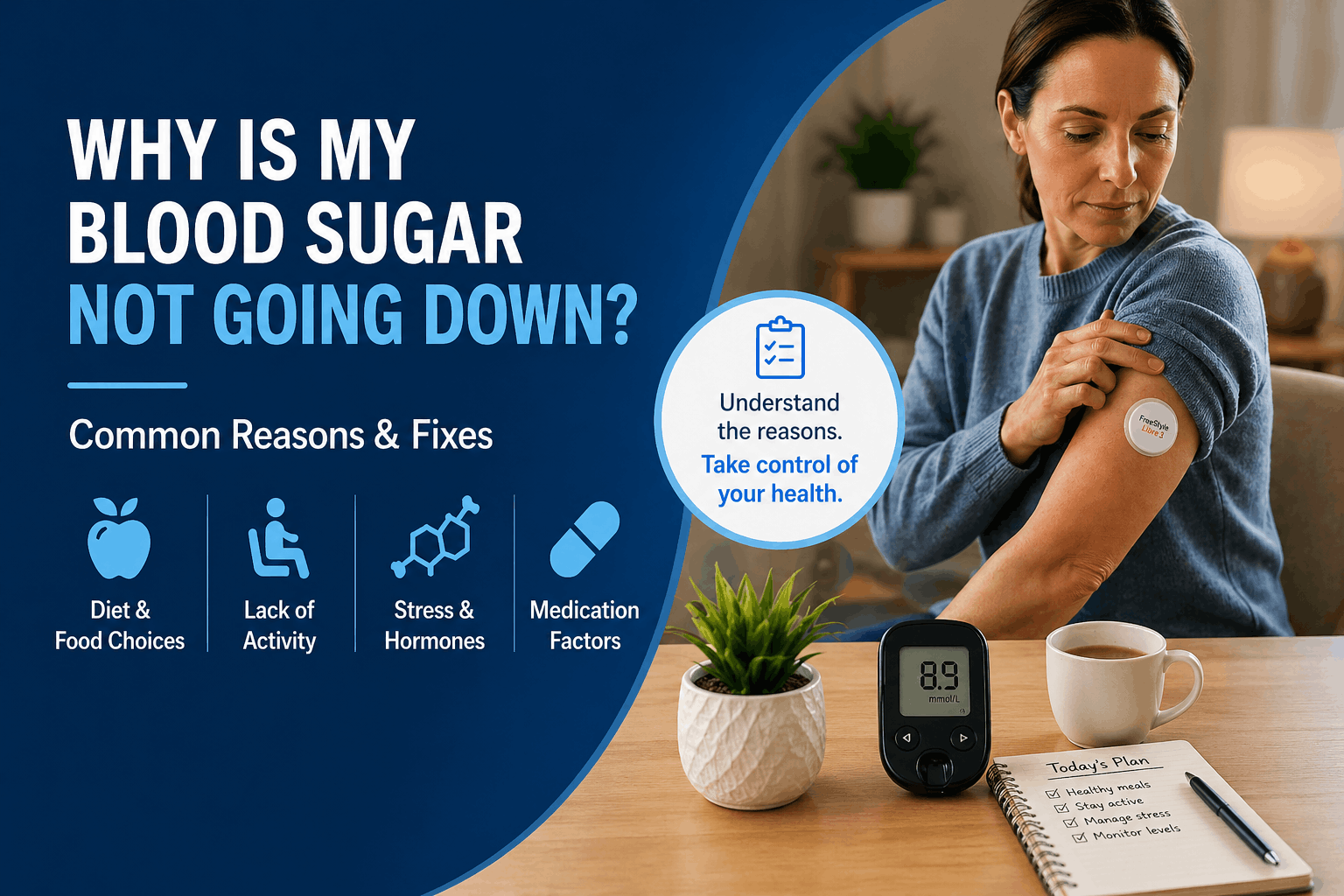
Why Is My Blood Sugar Not Going Down? Common Reasons & Fixes

It can be incredibly frustrating when your blood sugar levels stay high—even when you feel like you’re doing everything right. You may be eating carefully, taking your medication, and still noticing that your numbers aren’t improving.

If you’ve been asking yourself why is my blood sugar not going down, you’re not alone. This is a very common issue for people managing diabetes, and it can happen for a variety of reasons.

The good news is that once you understand the causes, you can take practical steps to bring your levels back under control. Using tools like buy FreeStyle Libre sensors in the UK at an affordable price can also help you track patterns and identify what’s really going on.

What Does It Mean When Blood Sugar Stays High?

When your blood sugar not going down becomes a regular pattern, it usually means that your body is not responding effectively to insulin. This could be due to insulin resistance, lifestyle factors, or even temporary conditions like stress or illness.

Blood sugar levels are influenced by multiple factors, not just food. That’s why it’s important to look at the bigger picture rather than focusing on a single cause.

Common Reasons Why Blood Sugar Is Not Going Down

There are several possible reasons why your glucose levels may remain high. Identifying the root cause is the first step toward fixing the problem.

Common Causes:

  • Eating more carbohydrates than expected
  • Hidden sugars in processed foods
  • Insulin resistance
  • Lack of physical activity
  • Stress and hormonal changes
  • Poor sleep quality
  • Dehydration
  • Incorrect medication timing

Each of these factors can affect how your body processes glucose and may prevent your levels from dropping.

Hidden Causes Most People Ignore

Sometimes, the reasons behind high blood sugar not reducing are not obvious. These hidden factors can make a big difference.

For example, the dawn phenomenon can cause blood sugar levels to rise in the early morning hours, even without eating.

Late-night snacking, especially high-carb foods, can also keep your glucose levels elevated overnight. Hormonal changes, especially during illness or stress, can further impact your body’s ability to regulate blood sugar. Being aware of these hidden causes helps you take a more complete approach to managing your levels.

How to Fix High Blood Sugar Effectively

Once you understand the causes, you can take practical steps to lower your blood sugar safely.

The key is to focus on consistent habits rather than quick fixes.

Practical Solutions:

  • Drink plenty of water to stay hydrated
  • Engage in light physical activity such as walking
  • Reduce high-carb meals, especially in the evening
  • Eat balanced meals with protein and fiber
  • Maintain a consistent sleep schedule
  • Follow your medication plan carefully

These steps can help improve your body’s response to insulin and gradually bring your levels down.

When Blood Sugar Won’t Come Down Even With Medication

In some cases, blood sugar may remain high despite taking medication. This can be particularly concerning and may require closer attention.

Possible reasons include insulin resistance, incorrect dosage, or changes in your body’s response to treatment. If your blood sugar stuck high even after following your routine, it may be time to review your treatment plan with a healthcare professional.

How Monitoring Helps Identify the Problem

One of the biggest challenges in managing diabetes is understanding what’s causing high blood sugar levels.

The continuous glucose monitoring system makes this much easier by providing real-time data and trends.

With proper monitoring, you can:

  • Identify patterns in your glucose levels
  • See how food affects your body
  • Track the impact of exercise and sleep
  • Detect hidden spikes

Many users choose to buy FreeStyle Libre 3 CGM sensor UK to gain better control and avoid guesswork.

Advanced options like FreeStyle Libre 3 Plus at a low price in the UK provide even more accurate insights for managing your condition.

When Should You Seek Medical Help?

While occasional high blood sugar is normal, persistent issues should not be ignored.

Seek Medical Advice If:

  • Your blood sugar remains high for several days
  • You experience symptoms like fatigue or frequent urination
  • Medication does not seem to be working
  • Your readings are consistently above your target range

Professional guidance can help you adjust your treatment plan safely.

Common Mistakes to Avoid

When trying to lower blood sugar, certain mistakes can make the situation worse.

Common Mistakes:

  • Overcorrecting with too much insulin or medication
  • Skipping meals
  • Panic eating sugary foods
  • Ignoring hydration
  • Not tracking patterns

Avoiding these mistakes can help you manage your levels more effectively.

Why Blood Sugar Control Takes Time

It’s important to understand that lowering blood sugar is not always immediate. The body needs time to respond to changes in diet, activity, and medication.

Consistency is key. Small improvements over time can lead to significant long-term results. Instead of focusing on quick fixes, aim for sustainable habits that support stable glucose levels.

Where to Buy Glucose Monitoring Devices in the UK

If you are looking to buy FreeStyle Libre online in the UK, choosing a trusted supplier is essential. You can explore options through the FreeStyle Libre official online pharmacy in the UK for genuine products and competitive pricing.

To learn more, visit the About Diabetes Pharmacy UK page. If you need help, you can contact the diabetes pharmacy support team.

You can also explore helpful content in the diabetes blogs and tips UK section.

Final Thoughts

If your blood sugar is not going down, causing concern, remember that this is a common and manageable issue. By understanding the causes and making small, consistent changes, you can improve your control over time.

Monitoring your glucose levels plays a key role in identifying patterns and making better decisions. With the right tools and approach, you can regain control and feel more confident in managing your condition.

If you’re ready to take the next step, you can shop FreeStyle Libre sensors in the UK at an affordable price and gain better insight into your glucose levels.

Share:

Why Is My Blood Sugar High in the Morning? (Dawn Phenomenon Explained)

Waking up to high blood sugar levels can be confusing and frustrating—especially if you didn’t eat anything overnight. Many people expect their glucose levels to be lower in the morning, only to find the opposite.

If you’ve ever wondered why my blood sugar is high in the morning, you’re not alone. This is a very common experience among people with diabetes, and in many cases, it’s linked to something called the dawn phenomenon.

Understanding what’s happening in your body can help you manage it more effectively. And if you’re tracking your glucose levels using tools like buy FreeStyle Libre sensors in the UK at an affordable price, you can clearly see these patterns and take better control.

What Is the Dawn Phenomenon?

The dawn phenomenon is a natural process where your blood sugar levels rise in the early morning hours, usually between 4 AM and 8 AM.

This happens because your body releases hormones such as cortisol and growth hormone to prepare you for waking up. These hormones signal the liver to release glucose into the bloodstream, providing energy for the day ahead.

In people without diabetes, the body produces enough insulin to balance this rise. However, in people with diabetes, this process can lead to high blood sugar in the morning.

Why Does Blood Sugar Rise in the Morning?

There are several reasons why your glucose levels may increase overnight and peak in the morning.

The main cause is hormonal activity, but other factors can also contribute.

Common Causes:

  • Release of hormones like cortisol and adrenaline
  • Liver releasing stored glucose
  • Reduced insulin effectiveness overnight
  • Insulin resistance in the early morning

These combined factors make morning glucose spikes more likely, especially if your body cannot respond effectively with insulin.

Dawn Phenomenon vs Somogyi Effect

Many people confuse the dawn phenomenon with another condition called the Somogyi effect. While both can cause high morning blood sugar, they have different causes.

Key Differences:

  • Dawn Phenomenon
    • Caused by natural hormone release
    • Blood sugar rises gradually overnight
    • No overnight low blood sugar
  • Somogyi Effect
    • Caused by a drop in blood sugar during the night
    • Body reacts by releasing glucose
    • Leads to a rebound high in the morning

Understanding the difference between somogyi effect vs dawn phenomenon is important for choosing the right solution.

Signs You May Have Dawn Phenomenon

Recognising the signs can help you identify whether this is affecting you.

Many people experience consistent patterns that point toward the dawn phenomenon.

Common Signs:

  • High blood sugar readings in the morning
  • Normal or stable levels before bedtime
  • No late-night eating
  • Consistent pattern over several days

If these signs match your experience, the dawn phenomenon may be the cause of your morning glucose levels high.

How to Confirm the Cause

The best way to understand what’s happening is to track your glucose levels overnight.

Checking your levels at different times can help you identify whether your blood sugar is rising gradually or rebounding from a low.

Ways to Confirm:

  • Check blood sugar before bed
  • Check again around 2–3 AM
  • Compare morning readings
  • Look for patterns over several days

Using a continuous glucose monitoring system makes this process much easier, as it provides real-time data throughout the night.

Many users choose to buy FreeStyle Libre 3 CGM sensor UK to monitor overnight trends and identify patterns without waking up multiple times.

How to Fix High Blood Sugar in the Morning

Managing the dawn phenomenon involves small but effective adjustments to your routine.

There is no single solution that works for everyone, but several strategies can help reduce morning spikes.

Practical Solutions:

  • Avoid high-carb meals late at night
  • Eat dinner earlier in the evening
  • Include protein and fiber in evening meals
  • Engage in light physical activity after dinner
  • Maintain consistent sleep patterns

In some cases, medication timing may also need adjustment, but this should always be done under medical guidance.

Role of Continuous Glucose Monitoring

One of the biggest challenges in managing high blood sugar in the morning is understanding what happens overnight.

This is where CGM systems provide a significant advantage.

With a continuous glucose monitoring system, you can:

  • Track glucose levels throughout the night
  • Identify trends and patterns
  • Detect sudden rises or drops
  • Make informed decisions based on data

Instead of guessing, you have clear insights into your body’s behaviour.

For more advanced tracking, users can also explore FreeStyle Libre 3 Plus at low price UK for improved accuracy and performance.

Common Mistakes to Avoid

When trying to manage morning blood sugar levels, it’s easy to make mistakes that can worsen the problem.

Common Mistakes:

  • Skipping dinner or eating too late
  • Ignoring overnight glucose trends
  • Overcorrecting with insulin without guidance
  • Consuming sugary snacks before bed
  • Not tracking patterns consistently

Avoiding these mistakes can help you manage your glucose levels more effectively.

When Should You See a Doctor?

While the dawn phenomenon is common, persistent high blood sugar levels should not be ignored.

If your readings remain consistently high despite making changes, it may be time to consult a healthcare professional.

Seek Medical Advice If:

  • Morning blood sugar is consistently high
  • You experience frequent fluctuations
  • Current management strategies are not working
  • You are unsure about medication adjustments

Professional guidance ensures safe and effective management.

Why Monitoring Matters More Than Ever

Understanding your glucose patterns is key to managing diabetes effectively.

The why is my blood sugar high in the morning question becomes much easier to answer when you have accurate data.

Monitoring allows you to:

  • Identify patterns
  • Adjust habits
  • Improve control
  • Reduce long-term risks

This is why many users rely on CGM systems for better insights and more confidence in their daily management.

Where to Buy Glucose Monitoring Devices in the UK

If you are looking to buy FreeStyle Libre online in the UK, choosing a trusted supplier is essential. You can explore options through the FreeStyle Libre official online pharmacy UK for genuine products and competitive pricing.

To learn more, visit the About Diabetes Pharmacy UK page. If you need help, you can contact the diabetes pharmacy support team.

You can also explore helpful content in the diabetes blogs and tips UK section.

Final Thoughts

Experiencing high blood sugar in the morning can feel frustrating, but it is often a natural and manageable condition linked to the dawn phenomenon.

By understanding the cause, tracking your glucose levels, and making small adjustments to your routine, you can reduce these spikes and improve your overall control.

If you want better visibility into your glucose patterns, you can shop FreeStyle Libre sensors in the UK at an affordable price and take a more proactive approach to managing your health.

Share:

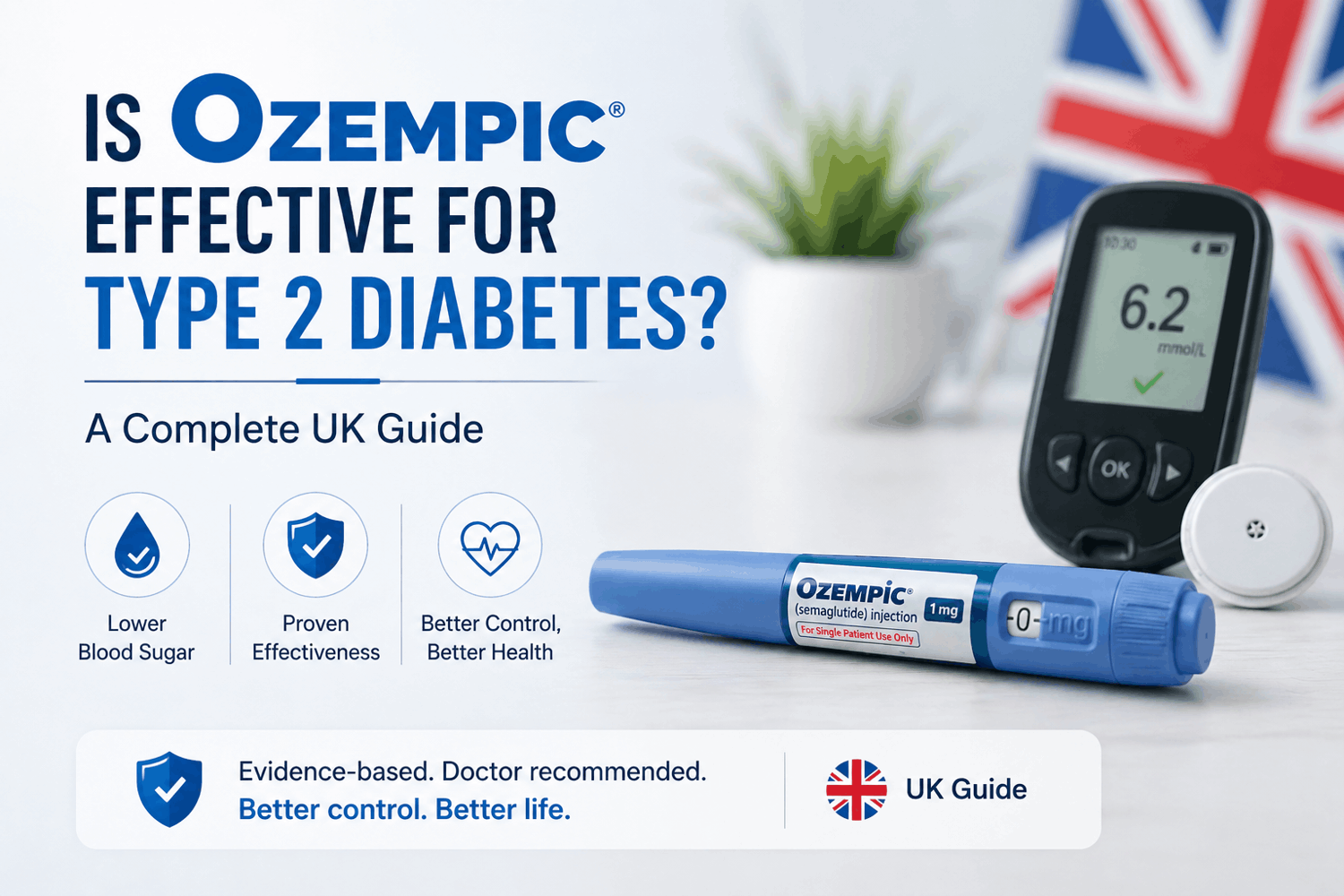
Is Ozempic Effective for Type 2 Diabetes? Complete UK Guide

In recent years, Ozempic has become one of the most talked-about medications for managing Type 2 diabetes. With increasing awareness and online discussions, many people are now asking whether it is truly effective and how it works in real-life situations.

If you have been researching Ozempic for type 2 diabetes, you may have come across mixed opinions. Some people report significant improvements in blood sugar control, while others are concerned about side effects or suitability.

Understanding how this medication works—and how it fits into a broader diabetes management plan—is essential before making any decisions. Alongside treatment, tools like buy FreeStyle Libre sensors in the UK at an affordable price can help you track your glucose levels and see how your body responds over time.

What Is Ozempic?

Ozempic is a prescription medication used to help manage blood sugar levels in adults with Type 2 diabetes. It belongs to a class of drugs known as GLP-1 receptor agonists.

The Ozempic UK guide often describes it as a once-weekly injectable treatment that works alongside diet and lifestyle changes. It is not a replacement for healthy habits but rather a support tool for improving glucose control.

It is important to note that Ozempic is only available with a prescription and should be used under medical supervision.

How Does Ozempic Work?

To understand the how effective is Ozempic question, it helps to know how it works inside the body.

Ozempic mimics a natural hormone that helps regulate blood sugar. It supports the body in several ways:

Key Actions:

  • Stimulates insulin release when blood sugar levels are high
  • Reduces glucose production in the liver
  • Slows down digestion, helping prevent spikes after meals
  • Helps regulate appetite in some cases

These combined effects contribute to more stable blood sugar levels throughout the day.

How Effective Is Ozempic for Type 2 Diabetes?

The effectiveness of Ozempic for type 2 diabetes varies from person to person, but it has been shown to help many individuals improve their blood sugar control when used correctly.

It is generally prescribed as part of a comprehensive treatment plan that includes diet, exercise, and regular monitoring.

What Users May Experience:

  • Improved blood glucose levels
  • Reduced spikes after meals
  • Better long-term control (when combined with lifestyle changes)

However, it is not a cure for diabetes. Its effectiveness depends on how consistently it is used and how well it is combined with other management strategies.

Benefits of Ozempic

While results vary, many people consider Ozempic beneficial as part of their diabetes management plan.

Potential Benefits:

  • Helps lower blood sugar levels
  • Convenient once-weekly dosing
  • May support weight management in some users
  • Reduces the risk of large glucose fluctuations

These benefits make it a popular option for people looking for additional support beyond lifestyle changes alone.

Possible Side Effects of Ozempic

Like any medication, Ozempic may cause side effects. Understanding these is important for making an informed decision.

Common Side Effects:

  • Nausea
  • Digestive discomfort
  • Reduced appetite
  • Mild stomach issues

Most side effects are temporary and may improve over time. However, it is essential to consult a healthcare professional if symptoms persist or worsen.

This is why any Ozempic UK treatment plan should always be guided by a doctor.

Who Can Use Ozempic?

Ozempic is designed for adults with Type 2 diabetes who need additional support in managing their blood sugar levels.

It is not suitable for everyone and is not typically used for Type 1 diabetes.

A healthcare professional will evaluate your condition, medical history, and current treatment plan before prescribing it.

Is Ozempic Available in the UK?

Yes, Ozempic is available in the UK, but only through prescription.

It may be provided through the NHS or private healthcare providers, depending on eligibility and medical needs.

Because it is a regulated medication, it should only be used under proper medical supervision.

Ozempic vs Lifestyle Changes

While Ozempic can be helpful, it works best when combined with healthy lifestyle habits.

Diet, exercise, and regular monitoring remain essential components of diabetes management.

Relying solely on medication without addressing lifestyle factors may limit its effectiveness.

A balanced approach that includes proper nutrition and physical activity provides the best results.

Role of Glucose Monitoring with Ozempic

Monitoring your blood sugar levels is essential when using any diabetes medication. The continuous glucose monitoring system allows you to see how your body responds to treatment in real time.

Instead of guessing, you can track patterns and understand how your glucose levels change throughout the day.

Many users choose to buy FreeStyle Libre 3 CGM sensor UK to monitor their progress and adjust their habits accordingly. Advanced options like FreeStyle Libre 3 Plus at low price in the UK provide even more accurate and continuous tracking.

Common Mistakes to Avoid

When considering Ozempic, it’s important to avoid common mistakes that can affect results.

Common Mistakes:

  • Expecting instant results without lifestyle changes
  • Ignoring dietary habits
  • Skipping regular monitoring
  • Not following medical advice
  • Misunderstanding how the medication works

Avoiding these mistakes helps you get the most benefit from your treatment plan.

Is Ozempic Enough on Its Own?

Ozempic is not designed to replace all other aspects of diabetes management. It is most effective when used as part of a broader plan.

This includes:

  • Balanced diet
  • Regular physical activity
  • Consistent glucose monitoring
  • Medical guidance

Combining these elements leads to better long-term outcomes.

Where to Buy Glucose Monitoring Devices in the UK

If you are looking to buy FreeStyle Libre online in the UK, choosing a trusted supplier is important. You can explore options through the FreeStyle Libre official online pharmacy in the UK for genuine products and competitive pricing.

To learn more, visit the About Diabetes Pharmacy UK page. If you need help, you can contact the diabetes pharmacy support team.

You can also explore helpful guides in the diabetes blogs and tips UK section.

Conclusion

So, is Ozempic effective for type 2 diabetes? For many people, it can be a helpful tool for improving blood sugar control when used as part of a comprehensive management plan.

However, it is not a cure and should not replace healthy lifestyle habits. Its effectiveness depends on consistent use, proper medical guidance, and regular monitoring.

If you are managing diabetes and want better control over your glucose levels, you can shop FreeStyle Libre sensors in the UK at an affordable price to track your progress and make informed decisions.

Share:

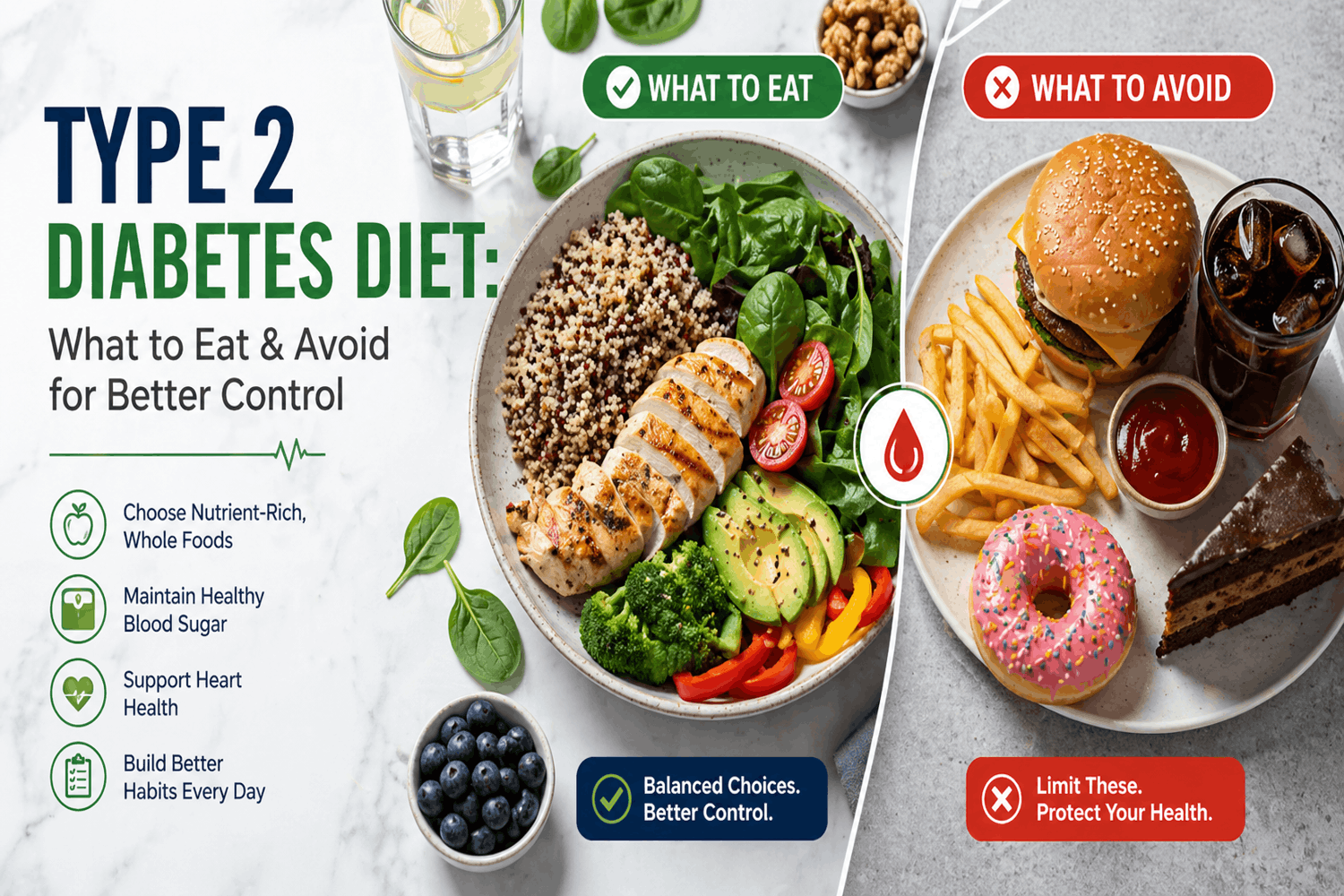
Type 2 Diabetes Diet: What to Eat & Avoid for Better Control

Managing Type 2 diabetes effectively starts with making the right food choices. While medication and lifestyle changes play an important role, diet is one of the most powerful tools for controlling blood sugar levels.

Many people feel overwhelmed when trying to understand what they should or should not eat. The truth is, a balanced and practical approach works best. You don’t need a complicated meal plan—just a clear understanding of how food affects your body.

If you are looking to improve your control or planning to buy FreeStyle Libre sensors in the UK at an affordable price to track your glucose levels, this guide will help you build a sustainable type 2 diabetes diet.

Why Diet Matters in Type 2 Diabetes

Type 2 diabetes diet plays a crucial role because food directly impacts blood sugar levels. When you eat, your body converts carbohydrates into glucose. In people with Type 2 diabetes, the body struggles to use insulin effectively, leading to higher blood sugar levels.

By choosing the right foods and managing portions, you can reduce spikes and maintain more stable glucose levels throughout the day.

A well-planned diet not only improves daily control but also reduces the risk of long-term complications such as heart disease, nerve damage, and kidney issues.

What to Eat for Better Blood Sugar Control

The key to a successful what to eat with type 2 diabetes plan is focusing on foods that release energy slowly and support overall health.

Healthy Food Choices:

  • High-fiber foods like vegetables, beans, and lentils
  • Whole grains such as oats, brown rice, and whole wheat
  • Lean proteins including chicken, fish, eggs, and tofu
  • Healthy fats from nuts, seeds, and olive oil
  • Low glycaemic index (GI) foods that release sugar slowly

These foods help stabilise blood sugar levels and keep you feeling full for longer.

A balanced plate with a mix of protein, fiber, and healthy fats is one of the simplest ways to manage your diet effectively.

Foods to Avoid or Limit

Knowing foods to avoid diabetes is just as important as knowing what to eat.

Certain foods can cause rapid spikes in blood sugar and should be limited or avoided.

Foods to Limit:

  • Sugary snacks like sweets, cakes, and biscuits
  • Refined carbohydrates such as white bread and pasta
  • Sugary drinks including soda and fruit juices
  • Processed foods high in salt and unhealthy fats
  • Fried and fast foods

These foods are quickly absorbed by the body and can lead to sudden increases in glucose levels.

Making small changes, such as switching to whole grains or reducing sugar intake, can have a significant impact.

Best Diet Patterns for Type 2 Diabetes

There is no one-size-fits-all approach, but certain eating patterns have been shown to support better glucose control.

Recommended Diet Styles:

  • Low-carb diet → Helps reduce glucose spikes
  • Mediterranean diet → Focuses on healthy fats and whole foods
  • Balanced plate method → Combines protein, carbs, and vegetables

The best approach is the one you can follow consistently. A flexible and balanced diet is more effective than a strict plan that is difficult to maintain.

Sample Daily Meal Plan

A simple daily plan can help you understand how to structure your meals.

Example Meal Plan:

Breakfast:

  • Oatmeal with nuts and seeds
  • Boiled eggs with whole-grain toast

Lunch:

  • Grilled chicken salad with olive oil dressing
  • Brown rice with vegetables and lentils

Dinner:

  • Baked fish with steamed vegetables
  • Stir-fried tofu with mixed greens

Snacks:

  • Greek yoghurt
  • Handful of nuts
  • Fresh fruit in moderation

This type of plan supports steady energy levels and better glucose control.

How Meal Timing Affects Blood Sugar

Meal timing plays an important role in managing diabetes. Eating at regular intervals helps maintain stable glucose levels and prevents sudden spikes or drops.

Large meals can cause sharp increases in blood sugar, while skipping meals can lead to fluctuations.

Tips for Better Timing:

  • Eat smaller, balanced meals throughout the day
  • Avoid long gaps between meals
  • Do not skip breakfast
  • Maintain consistent meal timings

Combining proper timing with the right food choices improves overall control.

Role of Glucose Monitoring in Diet Management

Understanding how your body responds to food is essential. The continuous glucose monitoring system allows you to track how different meals affect your blood sugar in real time.

Instead of guessing, you can see exactly which foods work best for your body. Many users choose to buy FreeStyle Libre 3 CGM sensor UK to monitor their glucose levels and make better dietary decisions.

Advanced options like FreeStyle Libre 3 Plus at a low price in the UK provide even more accurate and continuous tracking.

Common Diet Mistakes to Avoid

Even with good intentions, many people make mistakes that can affect their progress.

Common Mistakes:

  • Skipping meals or eating irregularly
  • Overeating healthy foods
  • Ignoring portion sizes
  • Consuming hidden sugars
  • Not tracking food impact

Being aware of these mistakes can help you stay on track and improve your results.

Tips for Long-Term Diet Success

Maintaining a healthy diet is about consistency, not perfection. Small changes over time can lead to significant improvements.

Practical Tips:

  • Keep your meals simple and balanced
  • Plan your meals in advance
  • Stay hydrated
  • Focus on whole, unprocessed foods
  • Track your progress regularly

Building sustainable habits is the key to long-term success.

Why Understanding the Difference Matters

Understanding the type 1 diabetes vs type 2 comparison helps you take the right steps toward managing the condition. It allows you to choose the correct treatment approach, monitor your health effectively, and reduce the risk of complications.

It also helps you communicate better with healthcare professionals and make informed decisions about your care.

Where to Buy Diabetes Monitoring Devices in the UK

If you are looking to buy FreeStyle Libre online in the UK, choosing a trusted supplier is essential. You can explore options through the FreeStyle Libre official online pharmacy in the UK for genuine products and competitive pricing.

To learn more, visit the About Diabetes Pharmacy UK page. If you need assistance, you can contact the diabetes pharmacy support team.

You can also explore helpful content in the diabetes blogs and tips UK section.

Final Thoughts

Following a well-balanced type 2 diabetes diet can make a significant difference in managing your condition. By focusing on healthy foods, avoiding high-sugar options, and maintaining consistent habits, you can achieve better control over your blood sugar levels.

Remember, you don’t need to follow a strict or complicated plan. Simple, practical changes are often the most effective.

If you are ready to take control of your health, you can shop FreeStyle Libre sensors in the UK at an affordable price and use real-time data to improve your diet and lifestyle decisions.

Share:

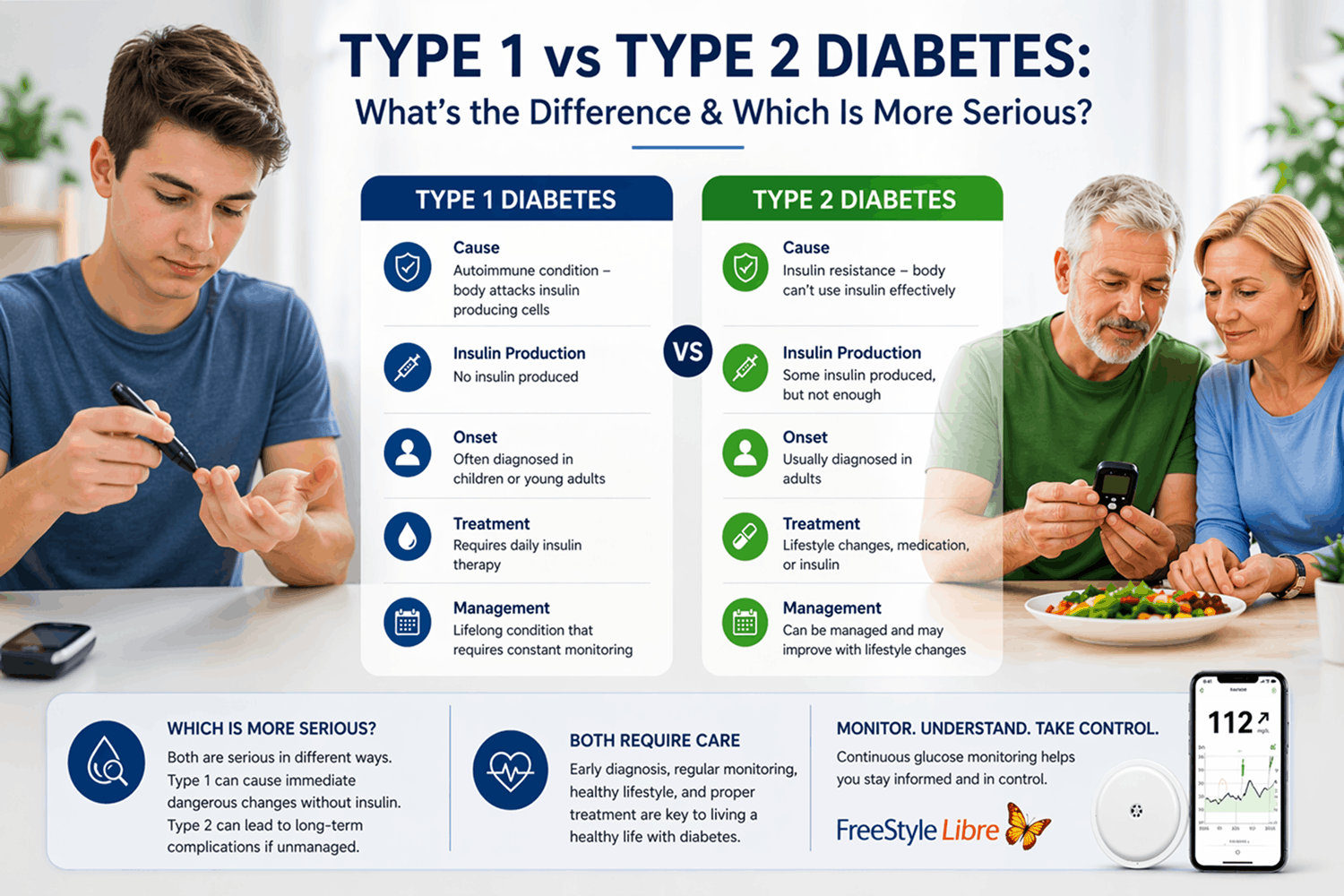
Type 1 vs Type 2 Diabetes: What’s the Difference & Which Is More Serious?

Diabetes is one of the most common health conditions worldwide, yet many people are still confused about the difference between its two main types. When someone is diagnosed, one of the first questions they ask is whether they have Type 1 or Type 2 diabetes—and what that actually means.

Understanding the type 1 vs type 2 diabetes comparison is important because both conditions affect the body differently and require different approaches to management. While they share the same name, they are not the same disease.

If you are learning about diabetes or exploring tools to manage it, such as buy FreeStyle Libre sensors in the UK at an affordable price, this guide will help you understand the key differences clearly.

What Is Type 1 Diabetes?

Type 1 diabetes is an autoimmune condition. This means the body’s immune system mistakenly attacks the insulin-producing cells in the pancreas.

As a result, the body stops producing insulin completely. Since insulin is essential for controlling blood sugar levels, people with Type 1 diabetes must take insulin every day.

This condition is often diagnosed in children or young adults, although it can develop at any age.

Because insulin production is absent, consistent monitoring is critical. Many users prefer to buy FreeStyle Libre sensors online in the UK to track glucose levels continuously and avoid sudden changes.

What Is Type 2 Diabetes?

Type 2 diabetes is the most common form of diabetes. It occurs when the body becomes resistant to insulin or does not produce enough insulin to maintain normal glucose levels.

Unlike Type 1, the body still produces insulin, but it does not work effectively. This leads to higher blood sugar levels over time.

Type 2 diabetes is often linked to lifestyle factors such as diet, physical activity, and weight, although genetics also play a role.

It is usually diagnosed in adults, but it is increasingly seen in younger individuals as well.

Key Differences Between Type 1 and Type 2 Diabetes

Understanding the difference between type 1 and type 2 diabetes helps clarify how these conditions vary.

Main Differences:

  • Cause: Type 1 is autoimmune, Type 2 is insulin resistance
  • Insulin Production: Type 1 produces none, Type 2 produces some
  • Age of Onset: Type 1 often early, Type 2 usually later
  • Treatment: Type 1 requires insulin, Type 2 may be managed with lifestyle and medication
  • Reversibility: Type 1 is lifelong, Type 2 can sometimes be managed or improved

These differences highlight why each type requires a different management approach.

Symptoms: Type 1 vs Type 2 Diabetes

The symptoms of both types can overlap, but the way they develop is different.

Type 1 diabetes symptoms usually appear suddenly and can become severe quickly. These may include extreme thirst, frequent urination, fatigue, and rapid weight loss.

Type 2 diabetes symptoms often develop gradually and may go unnoticed for years. Common signs include tiredness, blurred vision, and slow healing of wounds.

Because Type 2 symptoms are less obvious, many people are diagnosed later in the progression of the condition.

Which Is More Serious?

One of the most common questions people ask is which type of diabetes is more serious. The answer is not straightforward. Both conditions are serious, but in different ways.

Type 1 diabetes requires immediate insulin therapy. Without insulin, blood sugar levels can rise dangerously, leading to life-threatening complications.

Type 2 diabetes develops more slowly, but if left unmanaged, it can lead to long-term complications such as heart disease, nerve damage, and kidney problems.

So, when comparing which diabetes is more serious, the reality is that both require proper care and attention.

Can Type 2 Diabetes Turn Into Type 1?

This is a common misconception. Type 1 and Type 2 diabetes are completely different conditions.

Type 1 is an autoimmune disorder, while Type 2 is related to insulin resistance. One does not turn into the other.

However, Type 2 diabetes can become more severe over time if not managed properly, which may require insulin therapy. This does not mean it has become Type 1.

How Are Type 1 and Type 2 Diabetes Managed?

Managing diabetes effectively depends on the type and severity of the condition.

For Type 1 diabetes, insulin therapy is essential. People must monitor their blood sugar levels regularly and adjust insulin doses accordingly.

For Type 2 diabetes, management may include lifestyle changes such as diet and exercise, along with medication if needed.

Management Approaches:

  • Type 1 → Insulin + continuous monitoring
  • Type 2 → Diet + lifestyle + medication

In both cases, monitoring plays a key role in maintaining stable glucose levels.

The Role of Glucose Monitoring

Regardless of the type, monitoring blood sugar levels is essential for effective diabetes management.

The continuous glucose monitoring system provides real-time data, helping users understand patterns and make better decisions.

Compared to traditional testing, CGM systems offer greater convenience and accuracy. This is why many users choose to buy FreeStyle Libre 3 CGM sensor UK for improved control.

Advanced options like FreeStyle Libre 3 Plus at a low price in the UK provide even better performance and reliability.

Which Type Requires More Monitoring?

Both types of diabetes require monitoring, but the frequency can vary.

Type 1 diabetes usually requires continuous monitoring because insulin levels must be carefully managed throughout the day.

Type 2 diabetes may require less frequent monitoring, especially in early stages, but it becomes more important as the condition progresses.

In both cases, using a CGM system makes monitoring easier and more effective.

Why Understanding the Difference Matters

Understanding the type 1 diabetes vs type 2 comparison helps you take the right steps toward managing the condition. It allows you to choose the correct treatment approach, monitor your health effectively, and reduce the risk of complications.

It also helps you communicate better with healthcare professionals and make informed decisions about your care.

Where to Buy Diabetes Monitoring Devices in the UK

If you are looking to buy FreeStyle Libre online in the UK, choosing a trusted supplier is important. You can explore options through the FreeStyle Libre official online pharmacy in the UK for genuine products and competitive pricing.

To learn more, visit the About Diabetes Pharmacy UK page. If you need help, you can contact the diabetes pharmacy support team.

You can also explore helpful insights in the diabetes blogs and tips UK section.

Final Thoughts

The type 1 vs type 2 diabetes comparison shows that while both conditions affect blood sugar levels, they are very different in terms of cause, treatment, and management.

Neither type is “better” or “worse”—both are serious and require proper care. With the right approach, both conditions can be managed effectively.

If you are ready to take control of your diabetes management, you can shop FreeStyle Libre sensors in the UK at an affordable price and monitor your glucose levels with confidence.

Share:

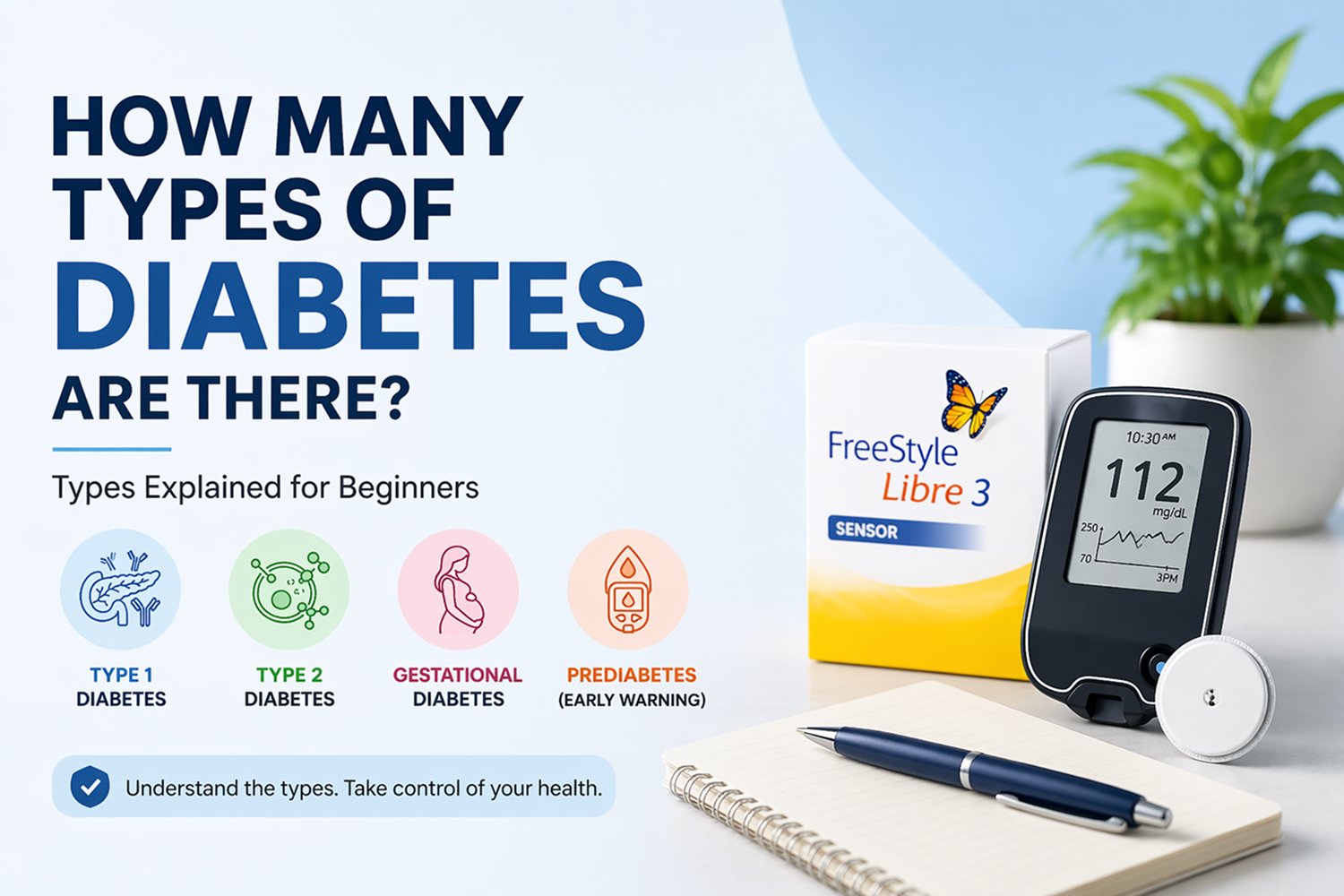
How Many Types of Diabetes Are There? Types Explained for Beginners

When people hear the word diabetes, most assume there are only two types—Type 1 and Type 2. While these are the most common, the reality is that diabetes is a broader condition with multiple forms, each with different causes, symptoms, and management approaches.

Understanding the how many types of diabetes are there question is important, especially for beginners who want to learn how this condition affects the body and how it can be managed effectively.

If you are exploring diabetes management tools or planning to buy FreeStyle Libre sensors in the UK at an affordable price, having a clear understanding of the different types will help you make better decisions.

How Many Types of Diabetes Are There?

The simple answer is that there are four main types of diabetes, along with a few rare forms.

The primary types of diabetes include:

  • Type 1 Diabetes
  • Type 2 Diabetes
  • Gestational Diabetes
  • Prediabetes

In addition to these, there are less common forms such as genetic or condition-related diabetes. Each type differs in how it develops and how it is managed.

Overview of All Diabetes Types

Before diving into each type in detail, it’s helpful to understand the broader classification of diabetes types.

These conditions all involve problems with how the body processes glucose, but the underlying causes vary.

Main Diabetes Types:

  • Type 1 Diabetes → Autoimmune condition
  • Type 2 Diabetes → Insulin resistance
  • Gestational Diabetes → Occurs during pregnancy
  • Prediabetes → Early warning stage

Understanding these categories helps you identify how diabetes develops and progresses.

Type 1 Diabetes Explained

Type 1 diabetes is an autoimmune condition where the body’s immune system attacks the cells in the pancreas that produce insulin.

This means the body cannot produce insulin, which is essential for regulating blood sugar levels. As a result, people with Type 1 diabetes require insulin therapy for life.

This type is often diagnosed in children or young adults, but it can occur at any age.

Because insulin production is completely absent, regular monitoring is essential. Many users prefer to buy FreeStyle Libre sensors online in the UK for continuous tracking and better control.

Type 2 Diabetes Explained

Type 2 diabetes is the most common form of diabetes. It occurs when the body becomes resistant to insulin or does not produce enough insulin to maintain normal glucose levels.

This type is often linked to lifestyle factors such as diet, physical activity, and weight, although genetics also play a role.

Unlike Type 1, Type 2 diabetes can often be managed through lifestyle changes, medication, and regular monitoring.

For effective management, users can buy FreeStyle Libre 3 CGM sensor UK to track glucose levels in real time.

Gestational Diabetes Explained

Gestational diabetes occurs during pregnancy and affects how the body processes glucose.

It usually develops in the second or third trimester and often disappears after childbirth. However, it increases the risk of developing Type 2 diabetes later in life.

Managing glucose levels during pregnancy is crucial for both the mother and the baby. Monitoring plays an important role in maintaining safe glucose levels throughout this period.

Prediabetes Explained

Prediabetes is an early stage where blood sugar levels are higher than normal but not high enough to be classified as Type 2 diabetes.

This stage is often considered a warning sign, as it indicates a higher risk of developing diabetes in the future.

The good news is that prediabetes can often be reversed through lifestyle changes such as improved diet, regular exercise, and weight management.

Early detection and monitoring can make a significant difference in preventing progression.

Other Rare Types of Diabetes

In addition to the main types, there are some less common forms of different types of diabetes that are worth understanding.

These include genetic and condition-related types that affect a smaller number of people.

Rare Types:

  • MODY (Maturity Onset Diabetes of the Young)
  • LADA (Latent Autoimmune Diabetes in Adults)
  • Secondary diabetes (caused by other medical conditions)

Although rare, these types require specialised diagnosis and treatment.

Key Differences Between Diabetes Types

Understanding the difference between type 1 and type 2 diabetes and other types helps you better manage the condition.

Key Differences:

  • Cause: Autoimmune vs insulin resistance
  • Age of onset: Early vs later in life
  • Insulin dependency: Required vs sometimes avoidable
  • Management: Insulin vs lifestyle + medication

Each type requires a different approach to treatment and monitoring.

Why Understanding Diabetes Types Matters

Knowing the types of diabetes is not just about awareness—it directly impacts how the condition is managed.

Each type has different risks, treatment plans, and long-term outcomes. Understanding your specific type helps you take the right steps toward better health.

It also helps you work more effectively with healthcare professionals and choose the right monitoring tools.

The Role of Glucose Monitoring in All Types

Regardless of the type, monitoring blood sugar levels is essential for effective diabetes management.

The continuous glucose monitoring system provides real-time insights that help users track patterns and make informed decisions.

Compared to traditional methods, CGM systems offer greater convenience and accuracy, making them a preferred choice for many users.

Options like FreeStyle Libre 3 Plus at a low price in the UK provide advanced monitoring features for better control.

Where to Buy Diabetes Monitoring Devices in the UK

If you are looking to buy FreeStyle Libre online in the UK, choosing a reliable supplier is essential. You can explore options through the FreeStyle Libre official online pharmacy in the UK for genuine products and competitive pricing.

To learn more, visit the About Diabetes Pharmacy UK page. If you need assistance, you can contact the diabetes pharmacy support team.

You can also explore helpful guides in the diabetes blogs and tips UK section.

Conclusion

So, how many types of diabetes are there? While most people focus on Type 1 and Type 2, there are actually several types, each with its own characteristics and management needs.

Understanding these differences helps you make better decisions about your health and choose the right tools for monitoring and treatment.

If you are ready to take control of your diabetes management, you can shop FreeStyle Libre sensors in the UK at an affordable price and start tracking your glucose levels more effectively.

Share:

Can You Shower, Swim & Sleep With FreeStyle Libre? Everything You Need to Know

When using a continuous glucose monitoring system, one of the biggest concerns people have is whether it fits into everyday life. Activities like showering, swimming, and sleeping are part of your daily routine, so it’s natural to wonder if wearing a sensor will limit you.

The good news is that the FreeStyle Libre waterproof design allows you to continue most of your daily activities without interruption. However, understanding its limits and how to care for it properly is essential to ensure it stays secure and works effectively.

If you are planning to buy FreeStyle Libre sensors in the UK at an affordable price, this guide will help you understand exactly what to expect.

Can You Shower With FreeStyle Libre?

Yes, you can safely shower while wearing the sensor. The can you shower with FreeStyle Libre question is one of the most common among new users, and the answer is reassuring.

The sensor is designed to be water-resistant, meaning it can handle everyday exposure to water such as showers and light splashes.

However, there are a few things to keep in mind. While normal showers are perfectly fine, prolonged exposure to very hot water or strong water pressure may weaken the adhesive over time.

To maintain performance, it’s best to avoid directing high-pressure water directly onto the sensor.

Can You Swim With FreeStyle Libre?

Swimming is also possible with the sensor, but there are some limitations you should be aware of.

The can you swim with FreeStyle Libre capability depends on both water resistance and how well the sensor is attached to your skin.

The sensor can typically withstand water up to a certain depth and duration, making it suitable for activities like swimming in a pool or light water sports.

However, it is not designed for deep diving or prolonged underwater exposure. Adhesion can also be affected by water, especially if the sensor is not applied correctly.

To improve durability during swimming, many users prefer options like FreeStyle Libre 3 with a wipe and a patch for better grip and protection.

Can You Sleep With FreeStyle Libre?

Yes, you can comfortably sleep with the sensor. The can you sleep with FreeStyle Libre concern is common, especially for first-time users.

The sensor is designed to be lightweight and discreet, so most users forget they are even wearing it during sleep.

However, sleeping directly on the sensor for long periods may cause discomfort or affect readings. It’s best to position yourself in a way that avoids putting pressure on the sensor.

Once you get used to wearing it, sleeping with the sensor becomes completely natural.

Is FreeStyle Libre Waterproof or Water-Resistant?

Understanding the difference between waterproof and water-resistant is important.

The FreeStyle Libre waterproof design is technically water-resistant, not fully waterproof. This means it can handle everyday water exposure but has limits.

Key Points:

  • Safe for showering and light water exposure
  • Suitable for swimming within limits
  • Not designed for deep diving
  • Avoid prolonged submersion

Knowing these limits helps you protect the sensor and avoid unexpected issues.

How to Protect Your Sensor During Water Activities

Proper care can significantly improve how well your sensor performs during activities involving water.

Protection Tips:

  • Apply the sensor on clean, dry skin
  • Avoid high-pressure water directly on the sensor
  • Pat dry gently instead of rubbing
  • Use adhesive patches for extra support
  • Check adhesion after swimming or showering

Following these steps helps ensure your sensor stays secure and continues to function properly.

How to Keep Your Sensor Secure While Sleeping

Sleeping with the sensor is generally comfortable, but a few precautions can help prevent issues.

Sleep Tips:

  • Avoid sleeping directly on the sensor
  • Wear loose clothing to reduce friction
  • Choose the correct placement on your arm
  • Be mindful of movement during sleep

These simple habits can help maintain sensor stability and prevent accidental detachment.

Common Mistakes to Avoid

Many issues with the sensor come from small mistakes that can easily be avoided.

Common Mistakes:

  • Taking very long hot showers
  • Rubbing the sensor aggressively with a towel
  • Exposing it to strong water pressure
  • Not applying the sensor correctly
  • Ignoring signs of weak adhesion

Avoiding these mistakes can extend the sensor’s usability and improve your overall experience.

What If Your Sensor Falls Off?

Despite proper care, there may be situations where the sensor falls off before the full 14-day period.

This can happen due to sweat, friction, or improper application. If your sensor falls off early, you may need to replace it to continue monitoring.

In such cases, you can quickly buy FreeStyle Libre 3 CGM sensor UK or upgrade to FreeStyle Libre 3 Plus at a low price UK for better durability.

For regular users, options like the Abbott Libre 3 sensor pack of 2 ensure you always have a backup available.

Why FreeStyle Libre Fits Into Everyday Life

One of the biggest advantages of the FreeStyle Libre continuous glucose monitoring system is how easily it fits into your daily routine.

You can shower, swim, sleep, exercise, and carry on with your usual activities without major adjustments. This flexibility makes it a preferred choice for people who want both convenience and reliability.

Understanding how to use and protect the sensor properly allows you to enjoy these benefits without worrying about performance issues.

Where to Buy FreeStyle Libre Sensors in the UK

If you are looking to buy FreeStyle Libre online in the UK, choosing a trusted supplier is essential. You can explore options through the FreeStyle Libre official online pharmacy in the UK for genuine products and competitive pricing.

To learn more, visit the About Diabetes Pharmacy UK page. If you need assistance, you can contact the diabetes pharmacy support team.

You can also explore helpful content in the diabetes blogs and tips UK section.

Final Thoughts

The FreeStyle Libre waterproof design makes it suitable for most everyday activities, including showering, swimming, and sleeping.

While it is not fully waterproof, it is durable enough to handle normal use when proper care is taken. Understanding its limits and following best practices ensures that your sensor stays secure and performs reliably.

If you are ready to enjoy a more flexible and convenient way of monitoring your glucose levels, you can shop FreeStyle Libre sensors in the UK at an affordable price and experience how easily it fits into your lifestyle.

Share:
Add to cart